Understanding DNA Testing for Food Traceability
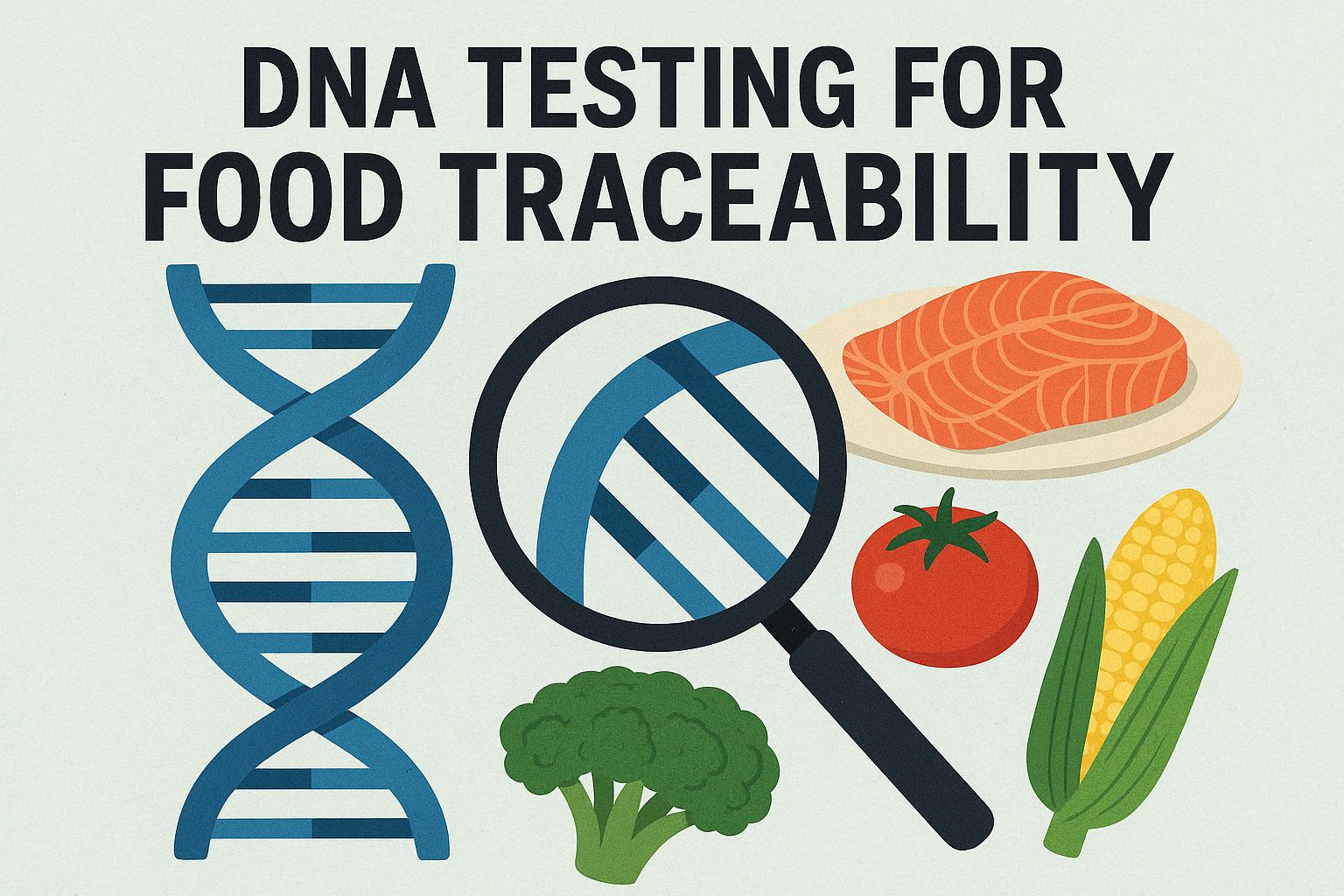
In recent years, the complexity of global food supply chains has increased significantly. Ensuring food traceability has become a critical focus for both producers and consumers. One promising tool in this realm is DNA testing, which provides a more reliable method of tracing food origins compared to traditional labeling or barcoding methods.
How DNA Testing Works in Food Traceability
DNA testing in food traceability involves analyzing the genetic material within a food product to determine its origin. This genetic “fingerprint” does not change throughout the product’s journey from farm to table. Typically, a DNA sample is collected and analyzed, comparing its distinct genetic markers to a database of reference samples. The result is a detailed identification of the species, quality, and sometimes even the geographical origin of the food item. For instance, consider a shipment of coffee beans being traced back to their origin. By analyzing the genetic markers, one can confirm the specific region where the coffee was grown, ensuring that claims of origin by the seller are truthful.
Applications of DNA Testing
One of the primary applications of DNA testing in food traceability is in verifying the authenticity of food products. For instance, in the seafood industry, DNA testing helps confirm the species of fish, preventing fraudulent practices like mislabeling cheap fish as premium varieties. This process is critical in maintaining trust between consumers and sellers, as well as ensuring compliance with trade regulations. Similarly, in the meat industry, it assures consumers about the specific animal species in their products. This level of assurance helps enforce product labeling laws and guidelines.
Another significant use is in tracing allergenic ingredients, which improves safety for consumers with food allergies. By confirming the absence or presence of specific allergens, DNA testing enhances labeling accuracy and reduces health risks. For example, cereals and other processed foods can be examined for trace amounts of allergens that might not be detected by traditional tests.
Additionally, DNA testing is employed in tracking genetically modified organisms (GMOs) in food products. It helps stakeholders comply with regulations regarding GMO labeling, efficiently identifying and tracing modified strains. This application is particularly important in markets with strict GMO regulations where knowing the genetic modification status of food items can influence consumer choices and regulatory compliance.
Advantages Over Traditional Methods
DNA testing offers several advantages over traditional traceability methods. Traditional methods often rely on paper trails or electronic tracking systems, which can be prone to errors and tampering. Human error or deliberate manipulation of data can lead to significant breaches in traceability systems. In contrast, DNA-based methods provide an inherent level of security because the genetic information is an immutable part of the organism.
Moreover, DNA testing can access information that would otherwise be unavailable. For example, processed foods might lose morphological features that traditional identification relies on, whereas DNA testing remains viable for these products. This capability ensures that accurate identification can continue even in highly processed or complex multi-ingredient products. For instance, the complex composition of sausages or blended fruit juices poses challenges for traditional methods, but DNA testing can dissect the product down to the genetic level of each component.
Challenges and Future Prospects
Despite its benefits, DNA testing for food traceability faces challenges. The cost of testing and the need for specialized equipment and trained personnel can be prohibitive. Many small-scale producers might find the financial and technical threshold challenging to overcome. Furthermore, creating comprehensive reference databases is crucial but can be complex and resource-intensive. The establishment of these databases requires comprehensive sampling and sequencing of multiple species and varieties to be effective.
Looking ahead, advancements in technology are likely to mitigate these challenges. Increased automation and reduced costs of high-throughput sequencing technologies will enhance the scope and efficiency of DNA testing. These advancements can also lead to the development of portable and efficient DNA testing kits that could bring testing capabilities to more settings. Furthermore, better integration of bioinformatics— the combination of biology, computer science, and information technology— will aid in the rapid processing and analysis of large datasets generated through DNA testing.
As innovations continue to shape this field, DNA testing stands poised to become an integral component of robust food traceability systems worldwide. These systems will contribute to safer food chains and confident consumer choices. As consumer awareness grows around the sourcing and safety of their food, DNA testing will provide the transparency needed to build trust in food production processes. The reliable information provided by DNA testing could lead to more informed choices at every point in the food supply chain, from farmers to retailers, and ultimately to the consumer.
DNA testing, therefore, is a powerful tool in enhancing the reliability of food traceability systems and ensuring that the promises made to consumers are not just met, but are verifiable through scientific evidence. As the food industry continues to evolve, the integration of such advanced technologies will be crucial in addressing the challenges of the modern food landscape.