The Role of DNA in Ancient Fossil Studies
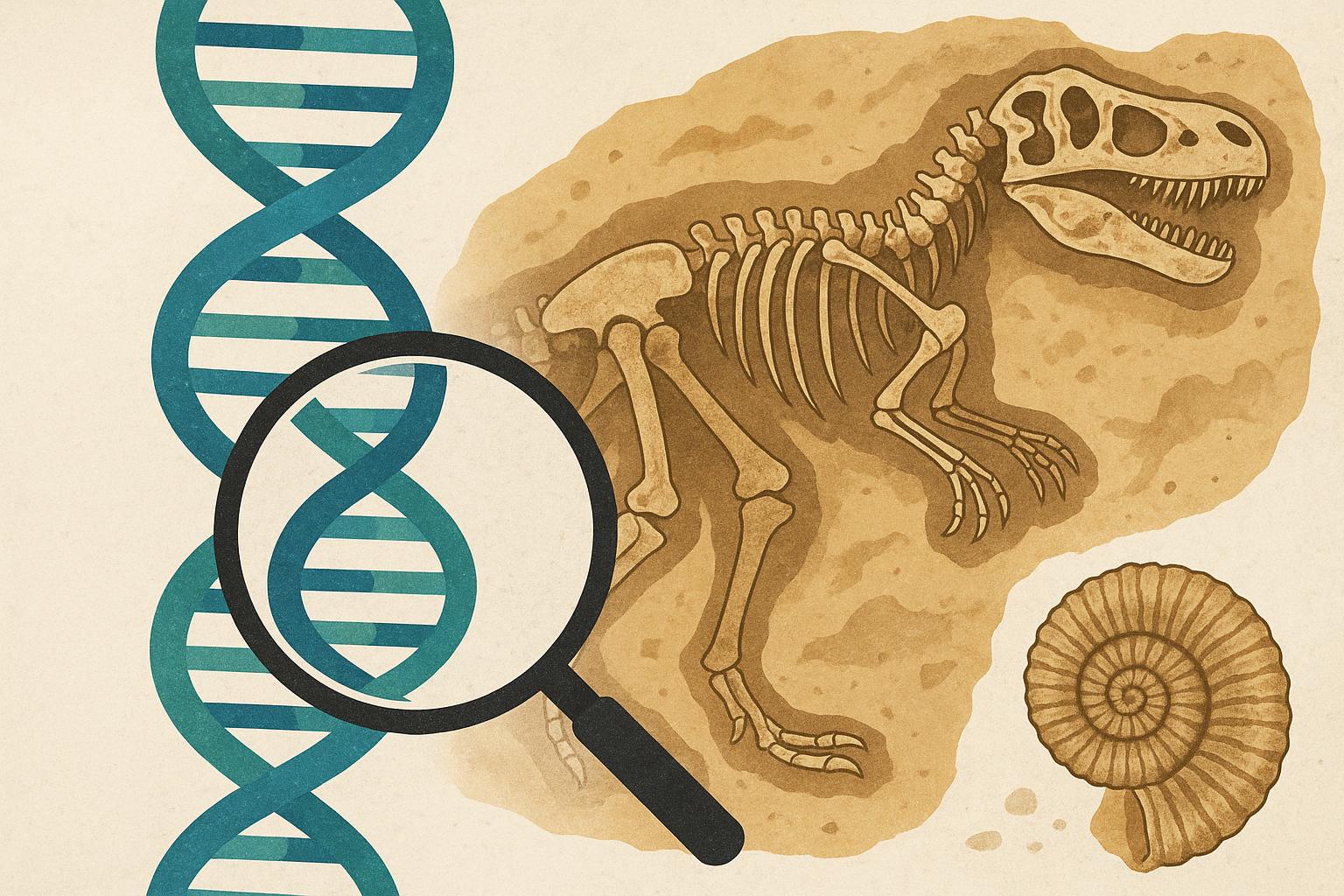
The study of ancient fossils has undergone a significant transformation with the advancement of DNA analysis techniques. Traditionally, paleontologists relied heavily on the morphological characteristics of fossils to deduce information about extinct species. However, the integration of genetic data has opened new avenues for understanding the evolutionary history of life on Earth.
The ability to analyze DNA from ancient fossils, commonly referred to as ancient DNA (aDNA), marks a pivotal development in paleontology. It enables scientists to verify morphological hypotheses and reconstruct evolutionary pathways that were previously only approximated by fossil morphology. With the advent of aDNA analysis, paleontologists can uncover details about ancient species that extend beyond bone structure, offering insights into their genetic diversity, health, and ecological relationships.
DNA Extraction Techniques
The extraction of DNA from ancient fossils involves sophisticated methodologies. Over the years, techniques have been refined to retrieve DNA from remains that are thousands, even hundreds of thousands, of years old. Improved laboratory practices have led to more successful extractions, allowing scientists to analyze a broader range of ancient materials.
Initial attempts at extracting DNA focused on relatively young archaeological samples. However, as procedures have advanced, researchers can now recover DNA from older specimens. This progress often involves meticulous sampling techniques to avoid contamination, using well-preserved specimens such as teeth or inner ear bones, which are more likely to retain viable DNA.
One approach is to use UV light and other sterilization techniques on workspaces and tools, coupled with meticulous handling methods, to minimize the risk of introducing exogenous DNA.
Contamination Challenges
One of the primary hurdles in aDNA research is contamination. Modern DNA, which is abundant and pervasive, can quickly contaminate ancient samples. Researchers employ rigorous protocols to minimize this risk, ensuring that the sequences retrieved are authentic and reflective of the ancient organism.
To mitigate contamination challenges, scientists often work in specialized clean rooms with filtered air systems, wear protective clothing, and employ techniques such as blank controls to monitor the presence of contaminant DNA. By doing so, they increase their confidence in the integrity and authenticity of the recovered DNA sequences.
Technological Advancements
The advent of next-generation sequencing technologies has revolutionized the field. These technologies facilitate the sequencing of entire genomes from minute amounts of DNA. As a result, it is now possible to reconstruct genetic information from samples where once only fragmentary data were available.
Next-generation sequencing enables the rapid sequencing of millions of DNA fragments simultaneously. This high-throughput capacity allows for a more comprehensive assembly of genomes, even from highly degraded samples. Furthermore, advancements such as single-strand sequencing and target enrichment techniques have further enhanced the ability to recover informative sequences from ancient DNA, extending the temporal and taxonomic reach of paleogenomic studies.
Applications and Discoveries
The application of DNA analysis in paleontology has led to numerous groundbreaking discoveries. Scientists have been able to trace lineage divergences, migration patterns, and even interactions between species. For instance, the study of Neanderthal DNA has provided insights into human evolution and the genetic legacy left by this extinct species in modern human populations.
The sequencing of Neanderthal and Denisovan genomes has not only illuminated aspects of human ancestry but also revealed instances of interbreeding, showing that these ancient humans contributed to the genetic makeup of modern populations outside of Africa. This has led to discoveries about inheritance patterns of various traits, such as immunity and adaptation to high altitudes in modern Tibetans, inherited from Denisovans.
Additionally, aDNA analysis extends beyond human evolution. By studying the DNA of ancient flora and fauna, scientists gain insights into historical ecosystems and biodiversity. For example, the extraction of plant DNA from sediment cores allows the reconstruction of paleoenvironments, aiding in understanding climatic changes over millennia.
The genetic history of woolly mammoths, giant ground sloths, and other Pleistocene megafauna have been pieced together through aDNA analysis, revealing migration patterns and extinctions associated with climatic shifts and human activities.
For further reading on the role of DNA in understanding ancient biological history, consider checking out this resource on advancements in paleogenomics.
By incorporating genetic data into fossil studies, researchers continue to unravel the complexities of ancient ecosystems, offering a more comprehensive view of the history of life on Earth. The fusion of morphological analysis and genetic data is ushering in a new era in paleontology, one where the secrets of the ancient world are accessible in unprecedented detail. This integrated approach fosters a deeper appreciation not only for the forms that life once took but also for the processes and events that shaped the evolutionary journey to the present biodiverse planet.