Understanding the Influence of DNA on Personality Traits
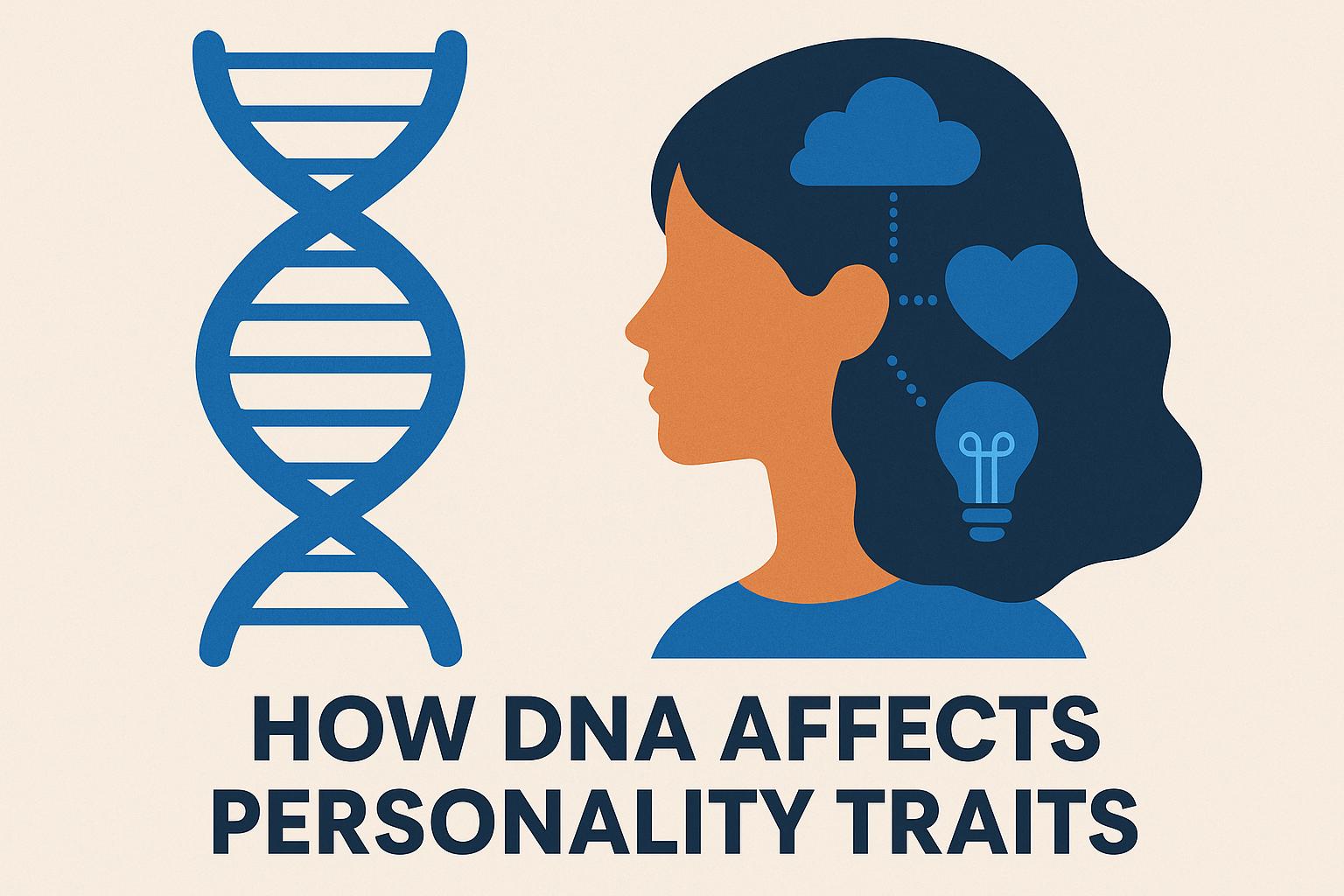
The intricate relationship between DNA and personality traits has long been a subject of scientific inquiry. While it is clear that genetics play a significant role in shaping who we are, isolating the exact influence of DNA on personality traits is complex and multifaceted.
The Genetic Basis of Personality
Personality traits are believed to be influenced, in part, by genetic predispositions. Various studies, particularly those involving twins, have shown that identical twins, who share identical genetic makeup, often have more similar personalities compared to fraternal twins, who share about 50% of their DNA. This suggests that genes contribute to personality formation, although they are not the sole determinants.
Genes and Neurotransmitters
Genetics can influence personality by affecting neurotransmitter systems in the brain. Neurotransmitters, such as serotonin and dopamine, are chemicals that transmit signals throughout the nervous system and can affect mood, behavior, and overall personality. For instance, variations in genes affecting dopamine pathways have been associated with traits like sensation-seeking and extraversion.
Serotonin’s Role
Serotonin is a key neurotransmitter that impacts mood regulation and has been linked to personality traits such as anxiety and mood stability. Research on the *5-HTT* gene, responsible for serotonin reuptake, reveals its influence on anxiety-related traits and the potential for genetic variation in emotional resilience.
Dopamine and Personality
Dopamine pathways play a critical role in reward-processing in the brain. Genetic variance in these pathways can influence traits such as extraversion, impulsivity, and novelty-seeking behavior. People with higher dopamine availability may be more prone to seeking new stimuli and challenges, which shapes aspects of their personality.
Complex Interactions with the Environment
While genetic predispositions provide a framework, they do not operate in isolation. The environment plays a crucial role in shaping the expression of these genetic predispositions. Environmental factors such as upbringing, culture, and life experiences can either reinforce or modify genetic tendencies. This interaction between genes and environment is often referred to as gene-environment interaction.
Parental Influence and Cultural Context
Parents and caregivers play a substantial role in nurturing or moderating genetically predisposed traits. For instance, a child’s innate temperament might be influenced or shaped by parenting styles, educational approaches, and cultural norms. These contextual factors might either enhance or mitigate genetic tendencies, showcasing the importance of the environment in personality development.
Molecular Genetics and Personality
The advent of molecular genetics has allowed researchers to identify specific genes that may be linked to personality traits. For example, the *5-HTT* gene, involved in serotonin signaling, has been studied in relation to anxiety-related traits. However, it is important to note that personality is polygenic, meaning it is influenced by multiple genes, each contributing a small effect to the overall portrait of one’s personality.
Polygenic Nature of Personality
In contrast to traits dictated by a single gene, personality traits are expressed through the intricate interaction of numerous genes. This polygenic nature complicates the isolation of specific genetic influences, highlighting the need for comprehensive research strategies and large sample sizes to pinpoint genetic contributions accurately.
Challenges in Research
Research in this area is fraught with complexities. One challenge is the replication of findings across diverse populations, as genetic influences may vary across different ethnic and cultural contexts. Moreover, the interplay between multiple genes and the environment complicates the ability to draw direct cause-and-effect conclusions.
Ethnic and Cultural Variability
Genetic studies often face challenges when attempting to apply findings universally. Variation in genetic makeup across ethnic groups can lead to diverse expressions of genetic predispositions, necessitating culturally sensitive research designs and methodologies. Understanding these differences is crucial for achieving accurate insights into genetic impacts on personality.
Implications for Understanding Human Behavior
Understanding the genetic underpinnings of personality has practical implications in fields such as psychology, psychiatry, and even education. By acknowledging both the genetic and environmental contributions to personality, professionals can better understand individual differences and tailor interventions more effectively.
Applications in Psychology and Psychiatry
In psychology and psychiatry, recognizing the genetic component of personality can inform treatment approaches and therapeutic interventions. For instance, understanding genetic predispositions can aid in predicting susceptibility to certain psychological conditions, leading to personalized treatment plans that consider both biological and environmental factors.
Educational Impacts
In educational settings, awareness of genetic influences on personality can guide teaching strategies and educational policies. Educators can create learning environments that accommodate diverse personality traits, fostering a more inclusive and effective educational experience for all students.
Conclusion
In summary, while DNA undoubtedly plays a role in shaping personality traits, it is the interplay with environmental factors that ultimately sculpt the nuanced individuals we become. As research progresses, these insights will continue to evolve, offering deeper understanding into the fundamental aspects of human nature.
For further exploration of research on DNA and personality traits, consider accessing resources such as those provided by Nature and Science Daily. These platforms offer a wealth of information on genetic research and its implications for understanding human behavior.
The ongoing exploration of DNA’s influence on personality ensures that our understanding of human behavior becomes more nuanced and informed, with ongoing research offering promising avenues for application in various fields.