Understanding DNA’s Role in Drug Metabolism
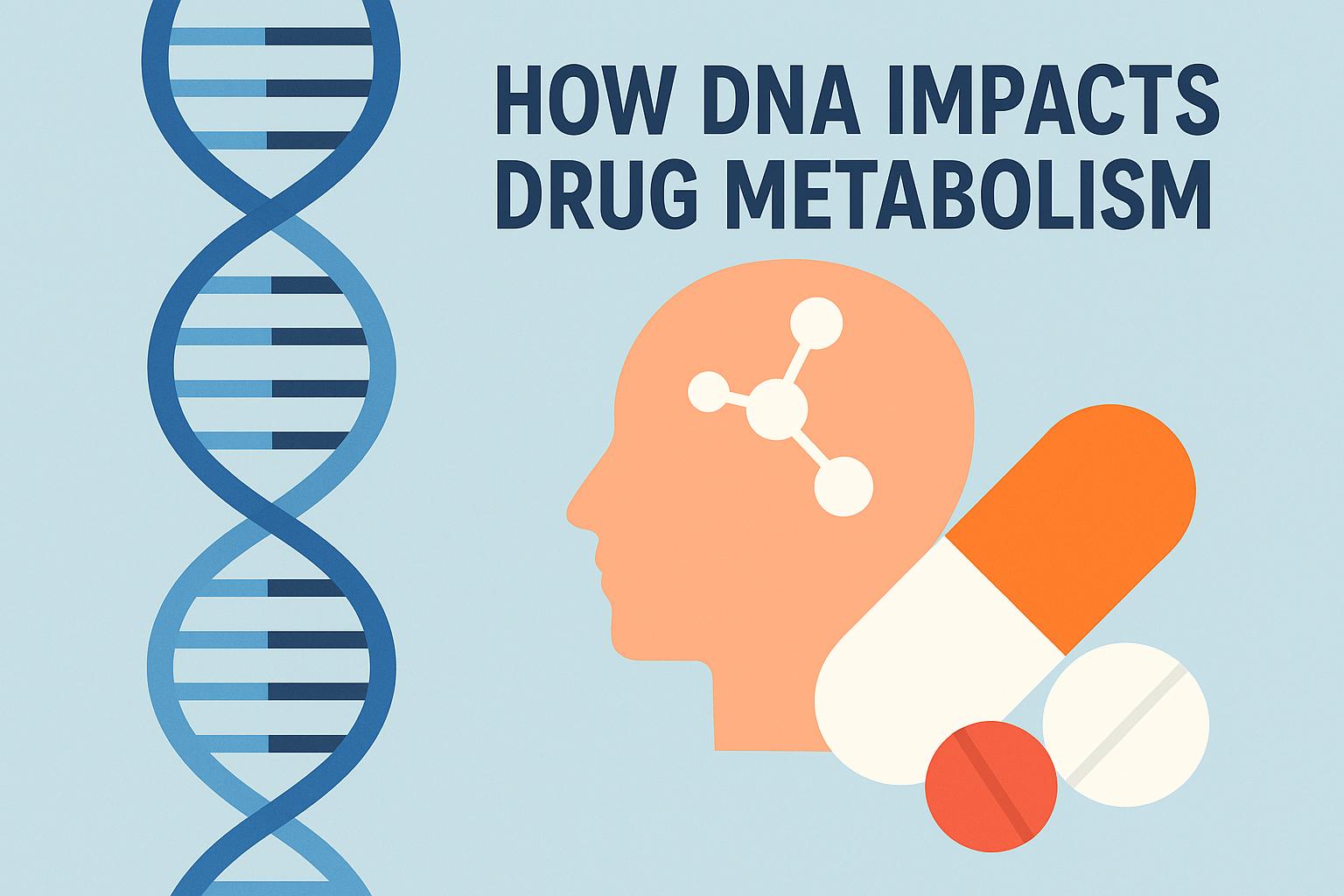
The study of how DNA impacts drug metabolism is a rapidly advancing field within pharmacogenomics, which explores how genes affect a person’s response to medications. This field aims to optimize drug therapy, ensuring the drugs prescribed are as effective and safe as possible. This exploration not only seeks to understand the intricacies of drug metabolism better but also to enhance the overall effectiveness of medications in treating various ailments.
The Basics of Drug Metabolism
Drug metabolism refers to the chemical alterations that a drug undergoes in the body. These changes often occur in the liver, an organ central to drug metabolism due to its production of enzymes. These enzymes work to transform drugs into more water-soluble compounds, thereby facilitating their elimination from the body. The processes that occur during drug metabolism can significantly influence a drug’s efficacy and the risk of adverse effects.
The human body’s approach to drug metabolism can be divided into two phases. Phase I involves modification reactions such as oxidation, reduction, and hydrolysis. During this phase, the drug’s chemical structure is altered, often by the addition or uncovering of functional groups. Then comes Phase II, which involves conjugation reactions. Here, additional molecules are added to the drug, increasing its solubility and aiding in excretion. Both of these phases are essential in the overall process of drug metabolism and highlight the complexity of this biological system.
The Influence of Genetic Variability
Genetic variability plays a pivotal role in determining how individuals metabolize various drugs. DNA holds the information necessary for creating enzymes that facilitate drug metabolism. Variations in these genes, often referred to as polymorphisms, can lead to significant differences in enzyme activity levels. This means that some individuals may break down drugs much faster or slower than others, affecting the therapeutic outcomes and side effects experienced.
Cytochrome P450 Enzymes
The cytochrome P450 (CYP) enzyme family is crucial in drug metabolism. Encompassing a broad range of enzymes, each type within the CYP group is responsible for metabolizing different drugs. Genetic polymorphisms in CYP genes can lead to classifications of individuals as *poor*, *intermediate*, *extensive*, or *ultra-rapid* metabolizers.
For example, an individual classified as a poor metabolizer for a specific CYP enzyme might process drugs at a significantly slower rate compared to an ultra-rapid metabolizer. This classification can greatly influence the dosage and type of medication a patient receives. Recognizing these variations is essential for tailoring drug therapies that maximize efficacy and minimize negative effects.
Pharmacogenomic Testing
Pharmacogenomic testing involves analyzing an individual’s genetic makeup to predict responses to specific drugs. Through the gathering of genetic data, healthcare providers can tailor treatment plans that match the patient’s unique genetic profile. This personalization can lead to improved therapeutic outcomes, enhance patient safety, and reduce the likelihood of adverse drug reactions.
Clinical Applications
The integration of pharmacogenomic testing into clinical practice is particularly beneficial in several areas of medicine. In oncology, pharmacogenomic testing allows clinicians to tailor cancer treatments based on the patient’s genetic variations, which in turn improves the efficacy of the treatment and minimizes side effects. In psychiatry, understanding the genetic profile of a patient is paramount for adjusting antidepressant and antipsychotic medication doses, ensuring the right balance is achieved for the desired therapeutic effect. Similarly, cardiology benefits from pharmacogenomic testing, as it enables the personalization of treatments for conditions like hypertension and arrhythmias, among other cardiovascular diseases.
Challenges and Future Prospects
Despite the promising potential of pharmacogenomics, several challenges remain that hinder its widespread adoption. One major barrier is the integration of genetic testing into routine clinical practice, which requires increased awareness and education among healthcare providers. Additionally, the cost factor associated with genetic testing is a critical consideration for broader accessibility. It is also crucial to address ethical concerns, particularly regarding patient privacy and data security.
Nonetheless, the future prospects of pharmacogenomics hold tremendous promise. With ongoing research and investment, there exists the potential for developing more precise, personalized medical treatments based on an individual’s genetic information. Such advancements can fundamentally transform the landscape of healthcare by providing not only more effective treatments but also enhancing the quality of life for patients.
In conclusion, the understanding of DNA’s role in drug metabolism within the broader context of pharmacogenomics represents a significant stride towards personalized medicine. As research continues to evolve, so does the potential to refine and optimize medical treatments. By addressing the current challenges and seizing the innovative opportunities that lie ahead, the future of pharmacogenomics appears bright, bearing the promise of fundamentally transforming our approach to healthcare.