Understanding DNA’s Role in Immune Responses
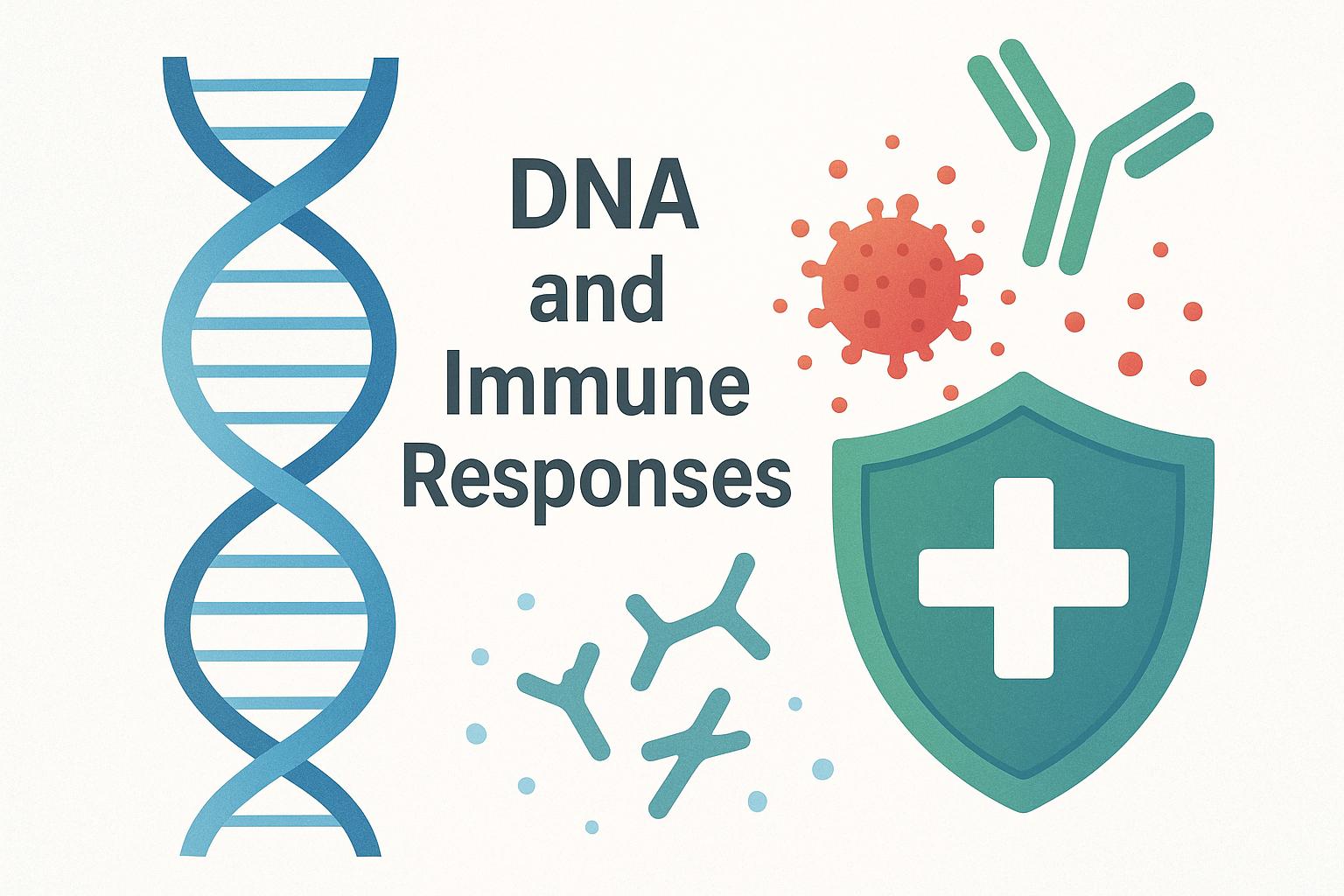
The immune system is a highly intricate and organized network of cells, tissues, and organs working synergistically to protect the body from harmful pathogens, such as bacteria, viruses, and other foreign invaders. At the core of this complex system is DNA, which plays a pivotal role in determining how the immune system recognizes, responds to, and neutralizes these threats.
The Genetic Basis of Immunity
DNA is fundamental to the immune system’s proper functioning, providing the genetic blueprint required for its development and operation. Specialized immune cells, including T cells and B cells, rely on specific genes to produce receptors that are crucial for the detection of foreign invaders. These receptors, encoded in the individual’s DNA, must exhibit a high degree of diversity to ensure the immune system can recognize and target a broad spectrum of pathogens effectively.
The genes that encode these receptors undergo a process called V(D)J recombination, which shuffles gene segments to create unique receptor combinations. This genetic recombination is essential for generating the vast array of receptors found on the surface of T and B cells, each capable of binding to a particular antigen. Consequently, this diversity is critical for the adaptive immune response, allowing the immune system to tailor its response to specific pathogens.
Gene Expression and Immune Response
Gene expression is a fundamental biological process whereby the instructions stored within DNA are translated into proteins that carry out vital functions within the body. During an immune response, specific genes are activated, leading to the production of proteins that play key roles in detecting and neutralizing pathogens.
One important class of proteins involves cytokines, which are small signaling molecules that facilitate intercellular communication during immune responses. The activation of cytokine genes allows immune cells to communicate effectively, orchestrating a coordinated response to infection. This signaling network ensures that appropriate immune cells are recruited to the site of infection, promoting pathogen clearance and the restoration of homeostasis.
Additionally, transcription factors—proteins that regulate gene activation—are crucial for modulating the immune response. These factors bind to specific DNA sequences, enhancing or repressing the expression of genes that encode for immune effector molecules. The precise regulation of gene expression through transcription factors and other mechanisms is vital for ensuring a balanced immune response that effectively combats pathogens while minimizing damage to the host’s own tissues.
Genetic Variability and Immune System Diversity
Genetic variability plays a significant role in shaping the diversity of immune responses among individuals. Differences in DNA sequences, such as single nucleotide polymorphisms (SNPs), can lead to variation in immune receptor configurations. This genetic diversity underlies the heterogeneity in individual responses to infections or vaccines, affecting susceptibility to certain diseases and the overall robustness of the immune response.
For instance, variations in major histocompatibility complex (MHC) genes, which encode proteins that present antigens to immune cells, can influence how effectively pathogens are recognized and cleared. People with different MHC alleles may exhibit differing abilities to mount an immune response to the same pathogen, contributing to varied clinical outcomes following infection or vaccination.
The study of genetic variability in immune system genes has far-reaching implications for personalized medicine. By understanding how specific genetic variants influence immune responses, researchers can develop tailored vaccination strategies and therapeutic interventions that account for individual genetic differences, enhancing the effectiveness of medical treatments.
DNA Mutations and Immune Disorders
While genetic variability can enhance immune diversity, DNA mutations can sometimes result in immune disorders. Certain genetic mutations can impair immune system function, leading to conditions where the immune system is either excessively active or insufficiently responsive.
Autoimmune diseases are a prime example of the consequences of deleterious mutations. These disorders arise when genetic mutations cause the immune system to misidentify the body’s own cells as foreign, leading to chronic inflammation and tissue damage. Conditions such as lupus and rheumatoid arthritis result from such inappropriate immune activation, often due to complex interactions between genetic predisposition and environmental triggers.
Understanding the genetic basis of immune disorders is pivotal for developing effective therapeutic interventions. Research in this field has led to the identification of key genetic factors contributing to autoimmune disease susceptibility, paving the way for targeted therapies aimed at restoring immune tolerance and preventing excessive immune activation.
In addition to autoimmune diseases, genetic mutations can also result in primary immunodeficiencies, where the immune system is unable to mount an effective response to infections. These disorders often manifest early in life and require specialized treatment to prevent life-threatening infections.
For more detailed insights into the genetic components of immune responses, you might find these peer-reviewed studies and publications informative, offering in-depth analyses and current developments in the field of immunogenetics.