The Significance of DNA in Stem Cell Research
Stem cell research represents a cornerstone of modern scientific exploration, particularly within the realm of regenerative medicine. At the heart of these inquiries lies the indispensable role of DNA, the molecule tasked with housing the genetic blueprints of all living organisms. By understanding how DNA functions within stem cells, researchers can harness these cells’ remarkable regenerative potential, paving the way for groundbreaking medical therapies.
Understanding Stem Cells
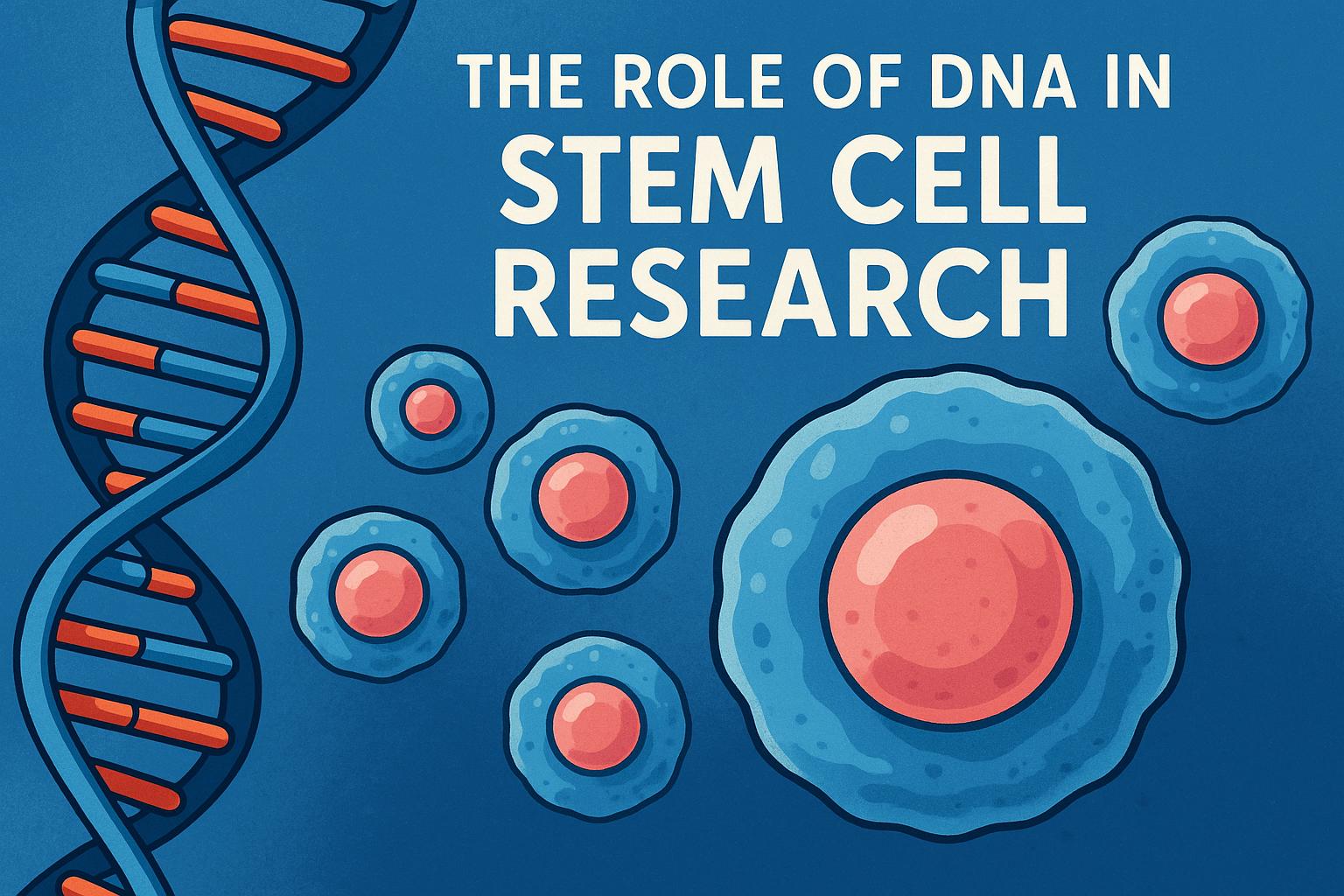
Stem cells are characterized by their dual abilities to self-renew and to differentiate into a variety of specialized cell types. This unique versatility underpins their value in medical research, particularly when it comes to the development of innovative treatments. Researchers primarily focus on two different categories of stem cells: embryonic stem cells and adult (or somatic) stem cells. Each type exhibits distinct potencies and potential uses in treatment applications, often guided by DNA analysis and insights.
Through the lens of stem cell research, embryonic stem cells are noteworthy for their pluripotency, which means they can differentiate into almost any cell type. In contrast, adult stem cells are generally multipotent, often restricted to differentiating within a specific lineage or tissue type. Nonetheless, both types of stem cells play an integral role in research and medicine. Discerning how DNA mediates these processes is crucial for advancing stem cell applications.
DNA’s Role in Cell Differentiation
A pivotal aspect of stem cell research relates to understanding how these cells undergo differentiation to become specialized cell types. The transformation process is regulated primarily by the expression of particular genes encoded within the DNA. During the differentiation process, select genes become active while others are suppressed, creating a gene expression pattern that dictates the cell’s eventual identity.
Decoding these genetic mechanisms is essential for manipulating stem cells effectively within therapeutic contexts. By comprehending how specific genes influence differentiation, researchers can aim to control and direct these processes to repair damaged tissues or replace diseased cells, showcasing DNA’s critical role in these therapeutic strategies.
Genetic Modification and Stem Cell Therapy
The advent of genetic engineering technologies, particularly the CRISPR-Cas9 system, has dramatically expanded the potential of stem cell therapies. Through these advancements, scientists can now edit the genetic code within stem cells, facilitating the correction of deleterious genetic mutations and enhancing the cells’ therapeutic efficacy.
The capacity to execute precise genome modifications opens up several promising avenues in personalized medicine. By generating patient-specific stem cells that align with an individual’s genetic makeup, medical practitioners can reduce immune rejection risks and improve treatment outcomes. Additionally, genetically modified stem cells hold potential for pioneering new approaches in combating diseases that currently lack effective treatments.
The Future of DNA-Driven Stem Cell Research
As our understanding of DNA and its integration within stem cell research evolves, the future of this field appears continuously promising. DNA’s role will likely broaden, delivering deeper insights into cellular behaviors and forging new paths toward therapeutic innovations. This ongoing research is supported by ethical considerations and technological advancements, both instrumental in driving the field forward.
The overarching ambition is to unlock revolutionary treatments for a range of ailments, from hereditary genetic disorders to chronic degenerative diseases. As researchers and clinicians work collaboratively, the potential for transformative breakthroughs in medical science increases, providing hope for improving quality of life across diverse populations.
For those seeking more detailed information on the current state and future directions of stem cell research, numerous specialized institutions and academic journals dedicate their efforts to regenerative medicine and biotechnology. These sources offer valuable platforms for learning and discovery, fostering a deeper understanding of the intricate relationship between DNA and stem cell research.