
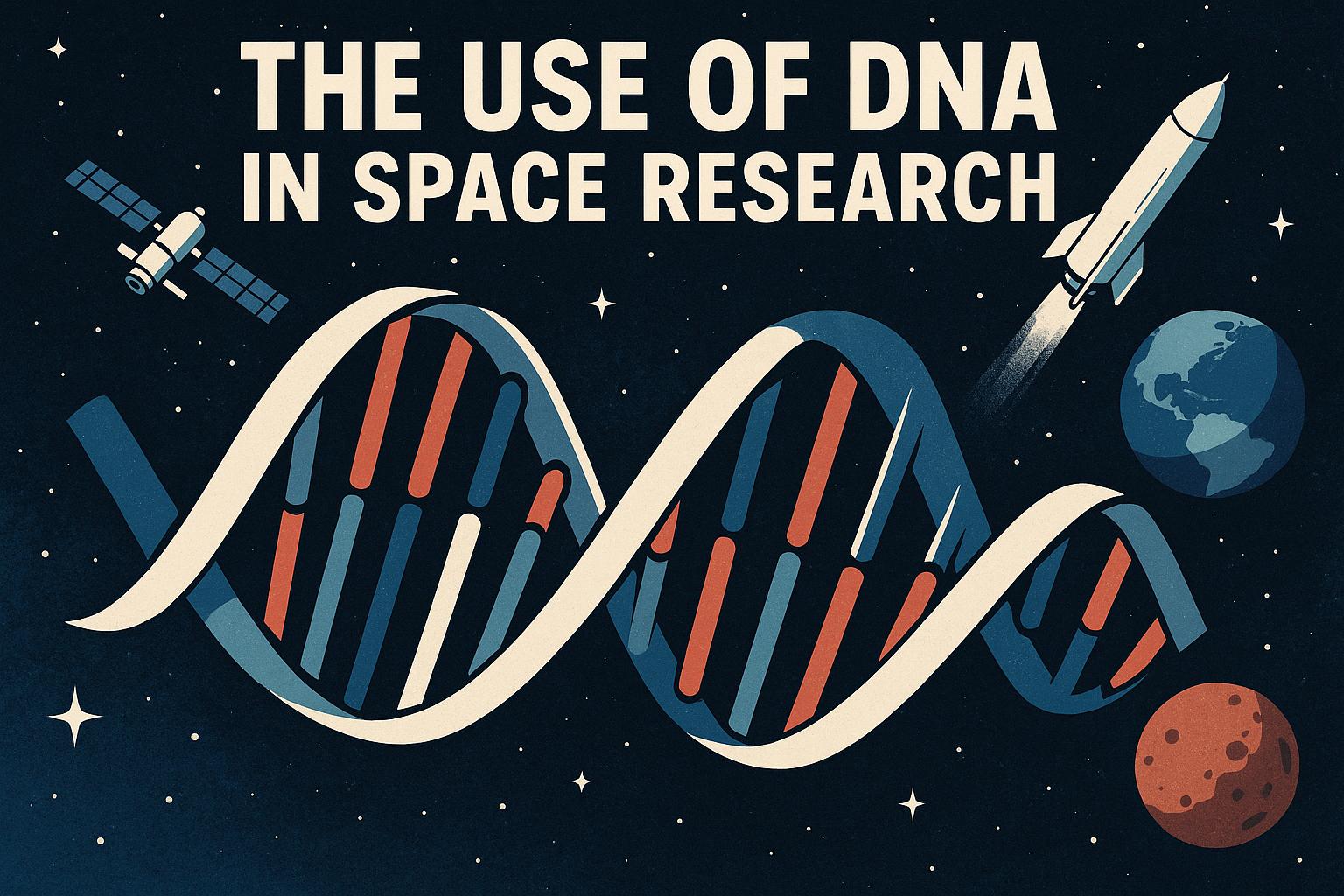
The Role of DNA in Space Research
In recent years, the utilization of DNA in space research has advanced significantly, providing new insights into both the understanding of life on Earth and the exploration of extraterrestrial environments. The study of DNA in space primarily revolves around two key areas: the impact of space travel on genetic material and the search for life on other planets.
DNA Sequencing in Microgravity
One of the most notable achievements in space research has been the ability to sequence DNA in microgravity. Researchers aboard the International Space Station (ISS) have conducted experiments to understand how the space environment influences DNA sequencing. Successful sequencing in space has several implications that extend into various fields:
Impact on Human Health: By understanding genetic changes that occur during long-duration human spaceflights, scientists aim to mitigate health risks associated with space travel, such as radiation exposure and muscle degeneration. The insights gained could lead to the development of countermeasures that protect astronaut health on missions to distant celestial bodies, thus ensuring safer and more sustainable space travel.
Planetary Protection: DNA sequencing helps ensure that spacecraft do not contaminate extraterrestrial environments with Earth-based organisms, which is crucial for maintaining the integrity of astrobiological research. Avoiding cross-contamination is essential for the authenticity of subsequent scientific experiments, which seek to detect life forms that may exist independently of Earth’s biosphere.
Searching for Extraterrestrial Life
The quest to find life beyond Earth has prompted scientists to consider how DNA might play a role in identifying extraterrestrial organisms. While DNA as it exists on Earth might not be present on other planets, the principles of molecular biology are likely universal. Analyzing the genetic material of potential life forms could provide critical clues about their biology and evolution, offering insight into how life may adapt and thrive in environments vastly different from our own.
To enhance this exploration, scientists are developing advanced tools for detecting and analyzing possible genetic materials in extraterrestrial samples. These include miniaturized sequencing devices and robust analytical software that can identify and interpret unknown genetic codes. Such tools could be used in future missions to Mars and beyond, where they may help identify life that uses a genetic code different from that found on Earth, potentially leading to a profound understanding of alternative biochemistries and evolutionary pathways.
Technological Advancements and Challenges
Despite the promising applications of DNA in space research, there are challenges that need to be addressed. The hostile environment of space presents multiple obstacles that researchers must overcome to fully integrate DNA technology into space exploration:
Radiation Effects: Space is saturated with high levels of cosmic radiation, which can damage DNA and complicate sequencing efforts. Researchers are examining radiation-resistant DNA strands and studying DNA repair mechanisms to overcome these obstacles. Innovations in materials science and genetic engineering are also being explored to develop shielding techniques that could protect genetic samples during missions.
Sample Preservation: Preservation of biological samples in space’s harsh environment presents logistical challenges. Effective storage solutions are being developed to ensure that DNA samples remain viable for study upon return to Earth. This involves designing containers that can maintain stable temperatures and prevent sample degradation over extended periods.
Looking Ahead
The integration of DNA technology in space research is paving the way for groundbreaking discoveries. The ability to sequence and analyze DNA in space holds the potential to enhance our understanding of not just the effects of space travel on biological systems but also the possible existence of life beyond our planet. As research progresses, insights gathered from these studies could play a critical role in future missions and shape the future of humanity’s exploration of the cosmos.
Long-term human presence in space, such as on Mars or other moons, will require a deeper understanding of biological functions in space. DNA research could be pivotal in developing life-supporting habitats that can sustain human life over extended periods. Furthermore, the detection of extraterrestrial life, if achieved, would fundamentally alter our understanding of life’s potential universality and could inspire new fields of scientific inquiry.
Conclusion
While DNA research is just one component of the multifaceted approaches being undertaken in space exploration, its contributions are invaluable. By enabling us to comprehend both the impacts of space environments on Earthly organisms and the potential for life beyond our planet, DNA sequencing in space is a testament to the remarkable intersection of biology and space science. Continued interdisciplinary collaboration will be essential in harnessing the full potential of DNA technology, leading us closer to uncovering the mysteries of the cosmos.
For a deeper exploration of related technological advancements in space research, it is recommended to explore resources provided by leading space agencies. Visit NASA’s official website and the Jet Propulsion Laboratory’s portal for more comprehensive insights into ongoing and upcoming missions. These resources offer extensive databases, publications, and updates on projects that are at the forefront of integrating DNA research in space exploration endeavors.