Understanding DNA: A Historical Tool
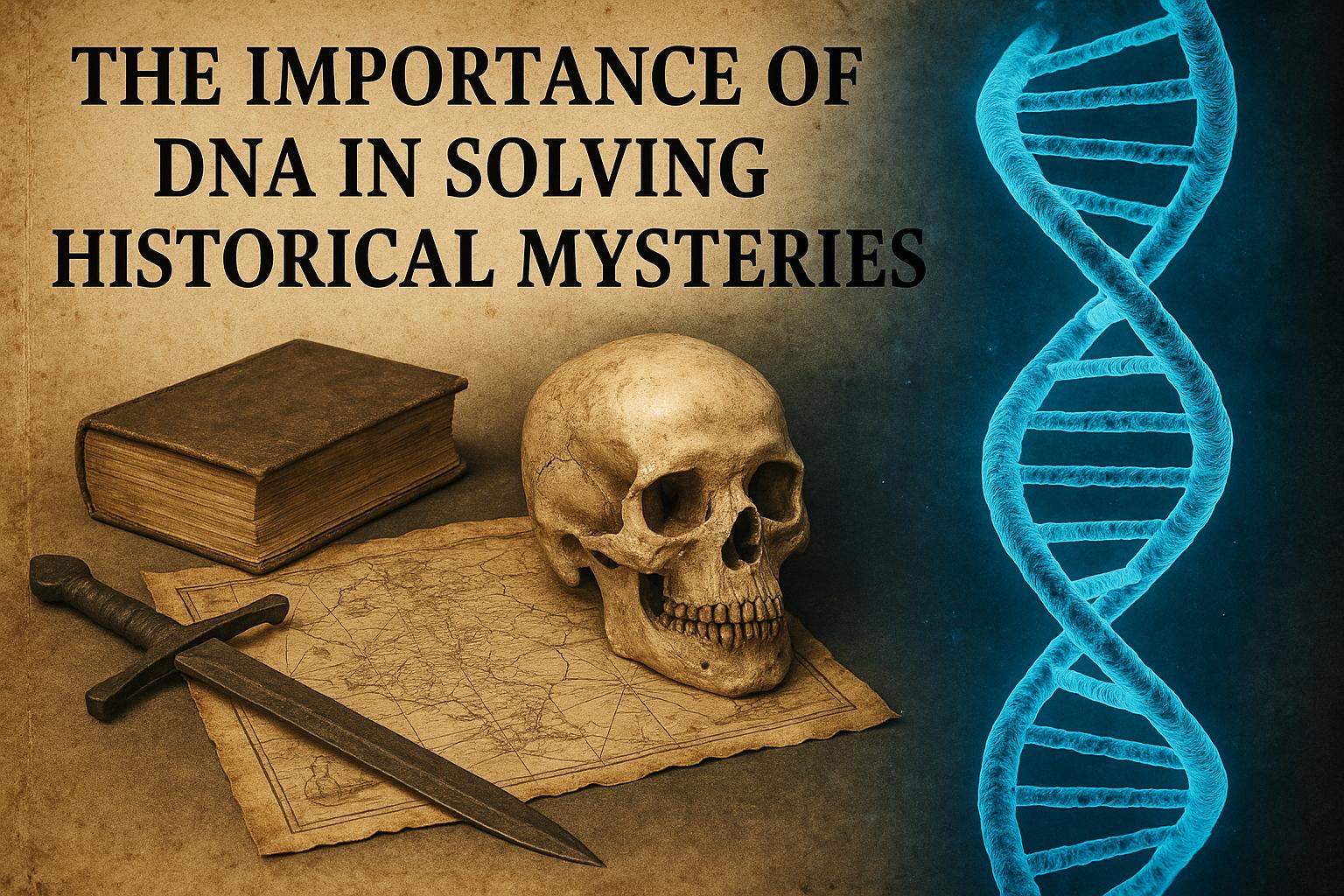
DNA, or deoxyribonucleic acid, is an intricate molecule found in nearly all living organisms. It carries genetic instructions crucial for the growth, development, functioning, and reproduction of all known forms of life. In recent years, its application has expanded beyond just the domain of biology and medicine to become a powerful tool in unraveling historical mysteries.
The Role of DNA in History
The field of genetic genealogy has emerged as a pivotal method for historians and archaeologists. By analyzing DNA samples from historical figures or ancient remains, researchers can piece together information that was once lost to time. This method not only aids in identifying ancestry and familial connections but also helps in reconstructing past population movements and interactions.
Identifying Historical Figures
One of the significant breakthroughs in using DNA for historical inquiry is its ability to confirm the identities of historical figures. In some cases, where the identity of skeletons has been debated, DNA analysis provides conclusive evidence. For example, the remains of Richard III, the last King of the House of York, were positively identified in a Leicester car park in 2012 through DNA extracted from the skeleton compared to the living descendants.
This discovery was a pivotal moment, demonstrating the power of genetic evidence to resolve historical uncertainties. The implications extend beyond identification; they offer a tangible connection to the past, breathing life into stories that were previously part of the myths and legends encompassing historical accounts. The ability to link remains to historical records through DNA introduces a level of accuracy not attainable by traditional archaeological methods alone.
Uncovering Familial Links
DNA analysis has also resolved long-standing historical debates around familial relationships. By examining genetic markers, researchers have confirmed or disputed claims concerning ancestry. This technique was instrumental in validating the lineage of Thomas Jefferson and his connection with the Hemings family, which had been a subject of historical speculation for generations.
The implications of such studies are monumental. They redefine genealogical narratives and provide new perspectives on historical events and figures. This technological intervention allows historians to fill gaps left by insufficient or ambiguous historical documentation. The genetic evidence can affirm or refute connections, offering a clearer understanding of lineage and familial ties than traditional genealogical research could achieve.
Analyzing Ancient Populations
Beyond individual identification, DNA provides insight into ancient civilizations and population dynamics. By examining genetic material from ancient remains, scientists can construct models of population migration, interaction, and change over time. Advances in this area have shed light on the spread of humans out of Africa and the migration patterns into Europe and Asia.
These genetic studies on ancient populations offer unprecedented insights into human history. They reveal the complexity of human migration and the rich tapestry of genetic exchanges among populations. These discoveries challenge simpler models of human diffusion and assimilation, suggesting instead intricate webs of contact and influence.
Technological Developments
The ability to analyze ancient DNA, known as aDNA, has been significantly enhanced by technological advancements in sequencing methods. Modern techniques allow for the retrieval and analysis of genetic material from remains that are thousands of years old. This has opened new pathways for studying our ancient ancestors and understanding human evolution.
Technological advancements continue to push the boundaries of what can be achieved with ancient DNA. With each innovation, the extraction, sequencing, and analysis become more precise and reliable. Modern sequencing technologies, such as next-generation sequencing, provide extensive genetic data from even the most degraded samples.
Example: Advances in sequencing have enabled the reconstruction of genomes from Neanderthal remains, offering new insights into human and Neanderthal interactions and interbreeding patterns.
This continuous technological evolution allows for deeper explorations into the genetic makeup of ancient societies, aiding in the construction of intricate genetic maps of ancient human migration and interaction.
Ethical Considerations
While the use of DNA in solving historical mysteries has profound potential, it also raises important ethical concerns. Issues of consent, especially when dealing with ancient remains, and the interpretation of data pose significant challenges. Researchers must navigate these ethical considerations carefully to respect the cultural and historical significance of their work.
Ethics in genetic research involve maintaining sensitive approaches to cultural heritage and the ownership of ancestral remains. Researchers must establish clear guidelines on consent, data interpretation, and sharing. This is crucial in balancing the scientific value of uncovering historical knowledge with respecting the dignity and beliefs surrounding human remains.
The ethical framework also encompasses the transparency and responsibility of researchers in presenting their findings, ensuring that the interpretations and conclusions drawn do not misrepresent historical narratives or perpetuate misconceptions.
Conclusion
DNA is reshaping our understanding of history by providing concrete evidence not previously available through traditional methods. Its application in identifying historical figures, uncovering familial connections, and analyzing ancient populations offers an unprecedented glimpse into the past. As technology advances, it will undoubtedly continue to play an essential role in solving the mysteries that our ancestors left behind.
For those interested in learning more about the intersection of genetics and history, various scholarly platforms and science journals offer in-depth articles and studies on the topic. These sources provide a wealth of knowledge, from detailed analyses of genetic data to broader discussions on ethical practices and technological advancements. Whether driven by scientific inquiry or historical curiosity, the story of humanity coded in DNA offers endless opportunities for exploration and discovery.