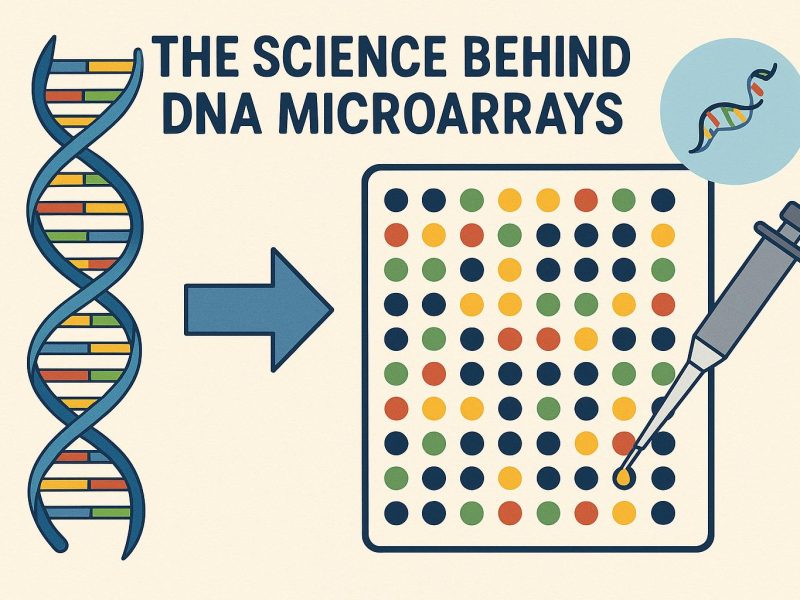
The Role of DNA in Microbial Identification
Identifying microbes accurately is essential in numerous fields, including healthcare, environmental sciences, and biotechnology. The traditional methods have relied heavily on culturing and phenotypic characterization, which can often be time-consuming and limited in scope. With the advent of molecular biology techniques, DNA has become a fundamental tool in microbial identification, offering precision and efficiency.
DNA-Based Methods in Microbial Identification
The utilization of DNA for microbial identification involves analyzing the genetic material of microorganisms. DNA is remarkably consistent among species, yet it contains enough variation to differentiate between them. This unique property allows scientists to pinpoint specific microbes efficiently.
One commonly used method is 16S ribosomal RNA (rRNA) gene sequencing. The 16S rRNA gene is present in all bacteria and contains conserved regions that are universal, accompanied by variable regions that provide species-specific signatures. Therefore, sequencing this gene enables researchers to identify and classify bacteria with high precision.
Another powerful technique is Whole Genome Sequencing (WGS). Unlike the 16S rRNA approach, which targets a single gene, WGS deciphers the entire genetic makeup of a microorganism. This comprehensive method not only aids in accurate identification but also provides insights into the functional potential and evolutionary history of microbes.
Applications Across Different Fields
In healthcare, rapid and accurate microbial identification is crucial for diagnosing infections and determining appropriate treatments. DNA-based identification can swiftly identify pathogens, including those that are difficult to culture, such as viruses and specific bacteria. This capability helps in timely decision-making, reducing the risk of complications from infectious diseases.
In environmental sciences, understanding microbial communities plays a vital role in assessing ecosystem health and functionality. DNA-based techniques allow scientists to monitor biodiversity, track microbial population changes, and detect the presence of contaminants that can affect environmental quality.
The field of biotechnology benefits from DNA-based microbial identification by enabling the screening and selection of microbial strains that are useful for industrial applications. This identification is essential for optimizing processes such as fermentation, waste decomposition, and the production of biofuels and bioplastics.
Advantages of DNA-Based Identification
DNA-based microbial identification offers several advantages over traditional approaches. It is typically faster and does not require the culturing of organisms, many of which may be unculturable under standard laboratory conditions. Additionally, it offers higher accuracy and resolution, allowing for the identification of closely related species and strains.
Furthermore, the database of known DNA sequences continues to expand, improving the reference framework against which unknown microbes are compared. This enhancement leads to better identification protocols and a deeper understanding of microbial diversity.
Conclusion
The role of DNA in microbial identification has revolutionized the ability to identify and classify microorganisms accurately. Its application across various scientific fields highlights its versatility and significance. As technology and databases advance, the use of DNA for microbial identification will become even more robust, fostering further discoveries and innovations. To explore more about the topic, you can visit this resource for extensive information on recent developments and applications.
The Evolution of Microbial Identification Methods
Microbial identification methods have significantly evolved over the past few decades, moving from classical techniques to more advanced molecular approaches. Historically, identifying microbes relied heavily on phenotypic characteristics such as morphology, staining reactions, and metabolic activities. While these methods laid the groundwork for microbial taxonomy, they have their limitations in terms of specificity and speed.
With the integration of molecular biology into microbiology, scientists have embraced DNA-based technologies that transcend the capabilities of traditional methods. The shift towards genome-based identification has not only expedited the process but has also broadened our understanding of microbial diversity and complexity.
Pioneering DNA Techniques
The advent of the Polymerase Chain Reaction (PCR) was pivotal in the field of microbial identification. PCR allows for the amplification of specific DNA segments, facilitating detailed studies even on trace amounts of genetic material. This method paved the way for more nuanced identification techniques, enabling precise analysis when combined with sequencing technologies.
Another breakthrough was the development of metagenomics, which allows for the study of genetic material recovered directly from environmental samples. This approach enables the identification of uncultivable microbes, offering a more comprehensive view of microbial ecosystems than was previously possible through culture-dependent methods.
The Scope of Microbial Identification in Modern Science
Today, microbial identification extends far beyond simple classification. It plays a crucial role in various applied sciences, influencing fields such as food safety, agriculture, and pharmaceuticals. In food safety, DNA-based techniques are used to detect pathogens that can cause foodborne illnesses, ensuring consumer safety and maintaining quality standards.
In agriculture, understanding the microbial communities in soil and plants can lead to improved crop yields and sustainable farming practices. Microbial identification helps in the development of biological fertilizers and pest control methods that are environmentally friendly.
Pharmaceuticals also benefit from microbial studies; for example, the discovery of novel antibiotics and enzymes is often dependent on identifying and understanding microbial processes. This application continues to be vital as resistance to existing drugs becomes an increasing concern.
Challenges and Future Prospects
While DNA-based identification methods offer significant advantages, they are not without challenges. One primary challenge is the vast amount of data generated from sequencing, requiring substantial computational resources and expertise for analysis. Additionally, there is a need for standardized protocols and databases to ensure consistency and comparability across studies.
Looking ahead, the future of microbial identification lies in integrating omics technologies, such as genomics, proteomics, and metabolomics, for a more holistic understanding of microbes. The advancement of bioinformatics tools will also play a crucial role in managing and interpreting complex data sets, allowing for more refined and actionable insights.
Innovations in technology, such as portable sequencing devices, are making DNA sequencing more accessible, which could lead to real-time microbial identification in various settings, from clinical diagnostics to environmental monitoring.
A Continuing Journey
The journey of microbial identification continues to evolve, driven by technological advancements and a growing understanding of the microbial world. As researchers delve deeper into the genetic underpinnings of microbes, it becomes increasingly clear that the potential for discovery is vast. Identifying and classifying microbes with precision not only illuminates the complexity of life but also enhances our ability to harness microbial capabilities for the betterment of society.
The collaboration between fields such as computer science, biology, and engineering is crucial in advancing these frontiers, leading to innovative solutions and applications. By continuing to explore and refine DNA-based identification methods, scientists can better address global challenges, from infectious disease control to environmental conservation.