Understanding How DNA Determines Gender
The determination of gender in humans is primarily governed by the presence and interaction of specific chromosomes within the DNA. Human beings are typically categorized as male or female based on their chromosomal composition. This article explores how DNA plays a crucial role in this process.
The Role of Chromosomes
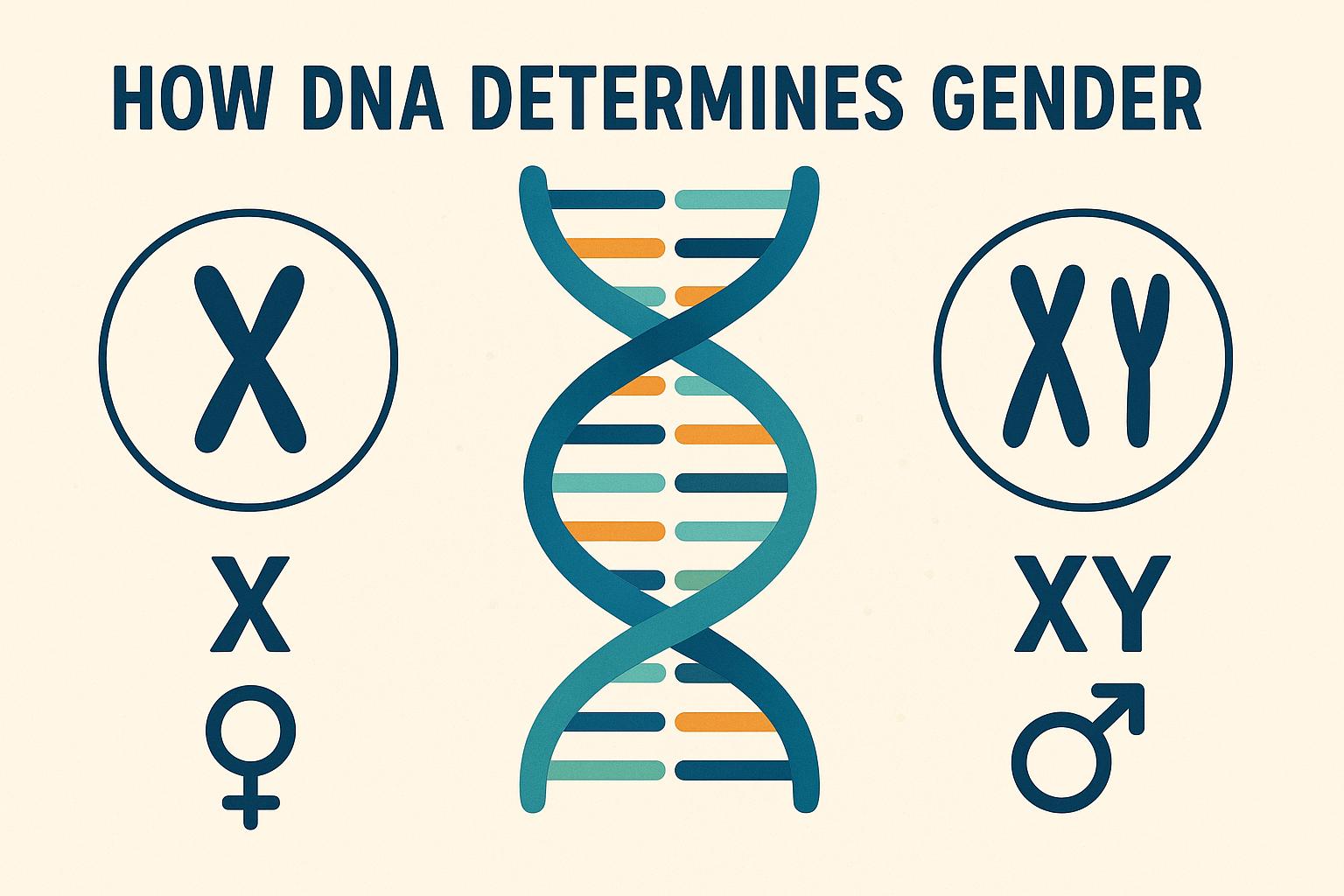
The study of chromosomes is fundamental to understanding human biology, particularly in regard to sex determination. Humans have a total of 23 pairs of chromosomes, which are essentially long strands of DNA harboring our genetic blueprint. Each of these pairs is critical in various biological processes, but for the determination of an individual’s sex, one specific pair is primarily responsible. These are the sex chromosomes, and they exist as one of the 23 pairs. In females, this pair is characterized by two X chromosomes, denoted as XX, while males typically possess one X and one Y chromosome, denoted as XY.
Sex Chromosomes and Gender Determination
The presence or absence of a Y chromosome is usually the determining factor for male or female sex. If a Y chromosome is present and properly functioning, the embryo generally develops male characteristics. The presence of the Y chromosome is often associated with the initiation of male-specific developmental pathways. One critical component within the Y chromosome is the SRY gene, standing for Sex-determining Region Y. This gene acts as a pivotal switch that triggers the development of testes during embryonic growth. Following the development of the testes, there is a production of male hormones, also known as androgens, which guide the emergence of male physical traits. In contrast, in the absence of a Y chromosome, and consequently the SRY gene, female development occurs as the default biological pathway.
Genetic Variations
It’s important to note that while the presence of the Y chromosome typically leads to male development, there are exceptions. These exceptions occur due to various genetic variations or conditions that influence the typical patterns of sexual development. Such conditions include androgen insensitivity syndrome, where individuals may possess an XY chromosome pattern but develop female characteristics due to insensitivity to male hormones. Chromosomal variations like Klinefelter syndrome (XXY) involve the presence of an extra X chromosome in individuals who are typically genetically male. This often results in a mix of male and female biological traits due to an imbalance in typical hormonal functions. Another variation is Turner syndrome, typically characterized by the presence of a single X chromosome (X), which impacts females, leading to distinct developmental features. These conditions highlight that gender determination is a complex interplay of genetic and hormonal factors, extending beyond the mere presence of XX or XY chromosomes.
Implications Beyond Genetics
While the foundational role of genetics in determining sex is undeniable, it is crucial to recognize that gender encompasses a broader spectrum beyond just biological aspects. Gender identity represents a deeply personal experience that can sometimes diverge from an individual’s genetic or anatomical characteristics. For instance, individuals may identify in ways that do not align with traditionally defined roles assigned to their biological sex. This variance in gender identity often involves a complex interplay of social, cultural, and psychological factors in addition to biological aspects.
The broader discourse on gender is increasingly inclusive of these diverse perspectives, embracing identities that exist outside the traditional binary framework of male and female. As society progresses, there is growing recognition of the importance of affirming an individual’s self-identified gender and understanding the unique experiences and challenges associated with it. This approach ensures that individuals receive the respect and support they need, irrespective of the alignment with their biological or genetic characteristics.
For those interested in delving deeper into the biological complexities surrounding sex determination and genetic variations, it is recommended to explore additional resources from reputable medical sources, such as the National Center for Biotechnology Information. These resources provide comprehensive insights into medically relevant factors influencing both typical and atypical gender developments.
In conclusion, while DNA fundamentally determines sex through the presence and combination of sex chromosomes, the understanding of gender is more intricate and involves an intersection of biological, social, and personal dimensions. An appreciation of both genetic and non-genetic aspects ensures an inclusive understanding of human diversity. As research continues to evolve, it is essential to keep an open dialogue about the multifaceted nature of gender, acknowledging new findings and perspectives that contribute to a holistic understanding of human identity.