Introduction to DNA and Brain Development
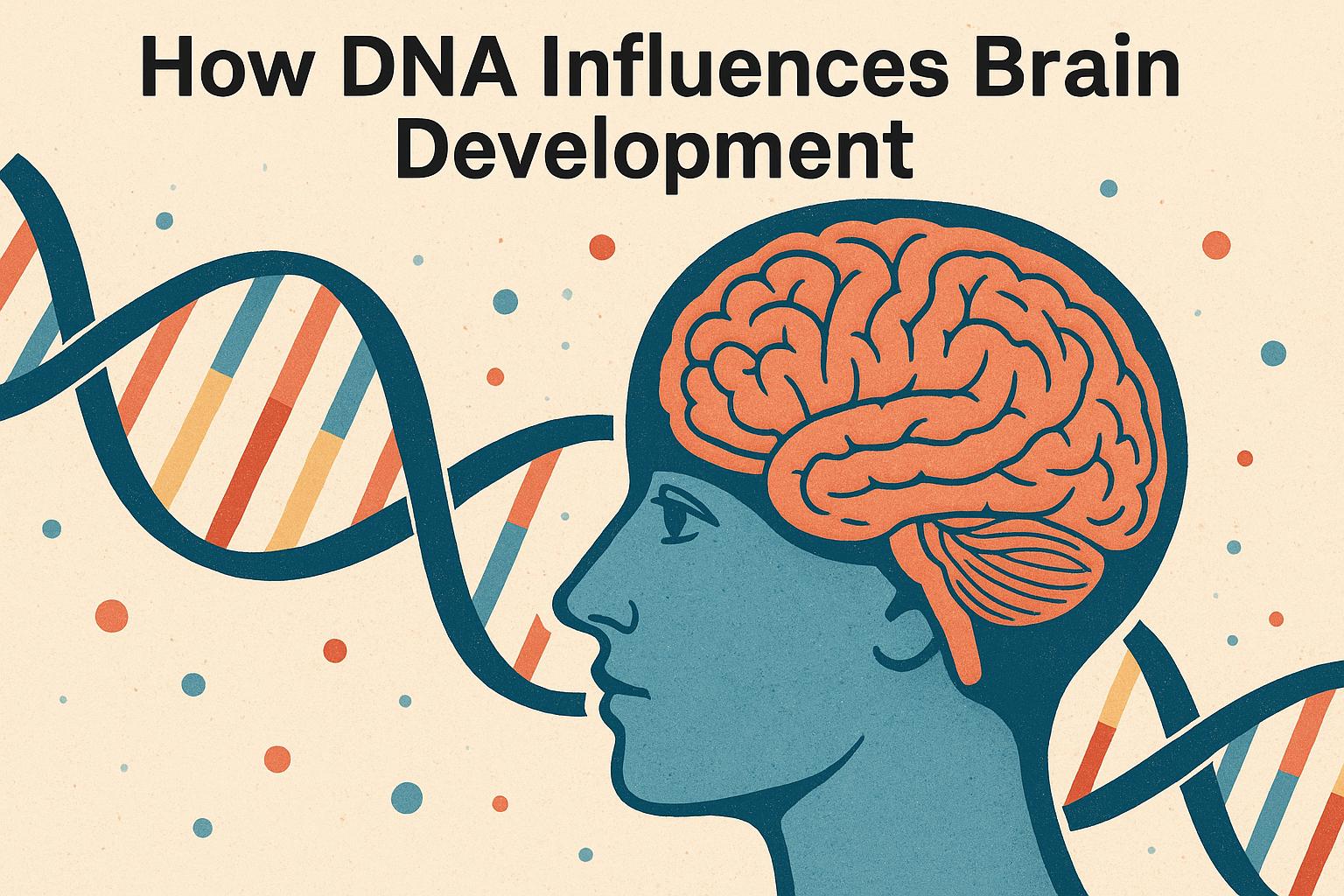
Our understanding of how DNA influences brain development has grown significantly over the years. DNA, or deoxyribonucleic acid, serves as the biological blueprint for the building and maintenance of the human body, including the brain. Understanding the role of DNA in brain development is crucial for insights into several neurological disorders and developmental conditions.
The DNA contains numerous genes, each of which has particular roles in establishing different organ systems, among which the brain stands as one of the most complex. This complexity arises from the myriad of processes that occur during brain development, guided by genetic information that dictates the growth of brain cells, the formation of connections, and the refinement of neural networks.
The Role of Genes in Brain Development
Genes found in DNA encode instructions that guide cellular processes essential for brain development. These processes include neurogenesis, the generation of new neurons, and synaptogenesis, the formation of synapses between neurons. Specific genes are activated at different stages of development, influencing how neurons form, migrate, and establish connections within the brain.
The role of genes is sequential and meticulously timed. During the early phases of brain development, genetic factors control the creation of neurons, dictating their proliferation. A plethora of genes regulates this process to ensure that adequate numbers of neurons are generated. Following this, neurons embark on a journey of migration and differentiation under the guidance of specific genes. This migration is pivotal as it determines the layering of neurons in various brain regions, contributing to the brain’s overall structure.
Moreover, the process of synaptogenesis where neurons connect to communicate is heavily influenced by genetic instructions. During this process, the brain forms trillions of synapses, which allow for the transmission of electrical and chemical signals. Genes determine the strength and specificity of these connections, influencing cognitive abilities and behaviors.
Gene Expression and Environmental Interaction
It is important to note that gene expression is not solely determined by an individual’s DNA sequence; environmental factors also play a critical role. Exposure to various environmental influences during prenatal and postnatal development can impact gene expression patterns, which in turn affects brain growth and functionality.
For instance, factors such as nutrition, stress, and exposure to toxins can alter the levels at which genes are expressed, affecting crucial developmental processes. Prenatal exposure to harmful substances like alcohol or drugs can lead to alterations in gene expression patterns, potentially resulting in developmental abnormalities. Conversely, a stimulating environment rich in learning opportunities can enhance gene expression pathways that promote cognitive development and brain plasticity.
These dynamics underscore the importance of the gene-environment interaction, wherein external factors can modulate genetic potential. Epigenetic mechanisms, which refer to modifications that change gene activity without altering the DNA sequence, are key in this modulation. They include processes such as DNA methylation and histone modification, which can switch genes on or off in response to environmental stimuli.
Genetic Mutations and Brain Disorders
Alterations or mutations in certain genes can lead to disruptions in normal brain development, which might result in neurological disorders. Examples include conditions like autism spectrum disorder and schizophrenia, where genetic variations contribute significantly to their pathogenesis.
In autism spectrum disorder, for instance, research has identified numerous genetic anomalies that may disrupt signaling pathways critical for synaptic function. Similarly, the intricate genetic landscape of schizophrenia is marked by alterations in several genes that influence neurotransmitter systems, impacting cognitive and emotional processing.
Identifying specific genetic mutations helps in understanding the etiology of these disorders and developing potential therapeutic strategies. Genetic testing and counseling are becoming increasingly important tools in medicine, allowing families to understand their genetic risk and explore interventions that might mitigate associated developmental challenges.
Current Research and Advances
Recent advances in genome-wide association studies (GWAS) and other genetic technologies, such as CRISPR, have facilitated a more comprehensive understanding of the genetic basis of brain development. These technologies allow researchers to pinpoint specific genetic variants associated with brain size, structures, and cognition.
Using GWAS, researchers can scan the entire genome of thousands of individuals to identify genetic variants that correlate with particular traits or disorders. This approach has uncovered numerous loci associated with brain disorders, leading to a deeper understanding of the biological pathways involved.
CRISPR technology, meanwhile, allows precise editing of genes. It holds potential not only for researching the functions of specific genes but also for potentially correcting genetic mutations that cause diseases. Research is actively exploring how CRISPR can be applied to brain disorders, although ethical and technical challenges remain to be addressed.
The Human Brain Project and similar initiatives continue to push the boundaries of neuroscience. Through these collaborative global efforts, extensive datasets are being generated and analyzed, aiming to create a more detailed map of the brain and its genetic underpinnings.
Conclusion
DNA plays a fundamental role in orchestrating the complex processes of brain development. Through both inherent genetic instructions and interactions with the environment, DNA determines the architecture and functionality of the brain. Ongoing research continues to uncover the intricacies of how these factors influence brain health and disease, paving the way for targeted interventions and therapies for various brain-related conditions.
The fusion of genetic insights with technological innovations heralds a promising era in understanding brain development. As we delve deeper into the genetic architecture of the brain, it becomes increasingly clear that personalized medicine tailored to genetic profiles could revolutionize the management of neurological disorders. However, to fully leverage these advancements ethically and effectively, a multidisciplinary approach is essential, bringing together genetics, neuroscience, psychology, and bioethics.