Understanding DNA Mutations and Antibiotic Resistance
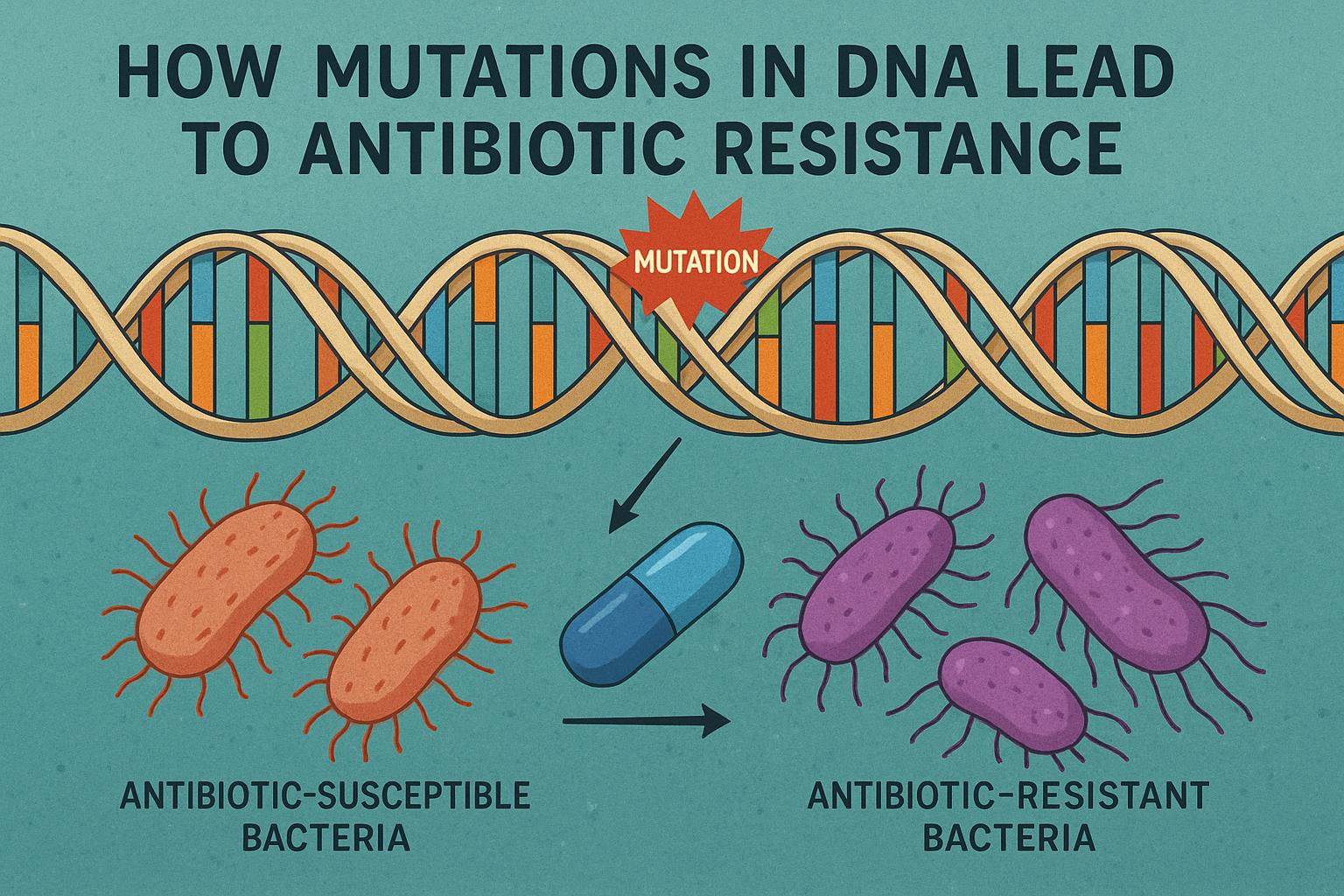
Genetic mutations in bacterial DNA are central to the development and proliferation of antibiotic resistance. Such mutations, whether occurring naturally or through inducement, can modify the genetic structure of bacteria, influencing their response to antibiotic drugs. This document examines the nature of DNA mutations, their impact on antibiotic resistance, and the wider implications for global health.
What Are DNA Mutations?
DNA mutations refer to alterations in the nucleotide sequences of an organism’s genome. These changes may arise spontaneously during DNA replication or result from external environmental factors such as radiation or chemical exposure. The impact of these mutations varies; some are silent and do not affect the organism’s functionality, while others can cause significant alterations in the phenotype, influencing characteristics visible in the bacteria or affecting their biological functions.
Types of Mutations
Bacteria can experience various types of mutations, each with unique mechanisms and consequences:
Point Mutations: These involve a change in a single nucleotide base pair in the DNA sequence, potentially altering the structure and function of proteins. Depending on where these mutations occur, they may lead to different effects. For instance, in coding regions, a point mutation might result in a different amino acid being incorporated into a protein, potentially altering its function.
Insertions and Deletions: In these mutations, additional nucleotide bases may be inserted into or removed from the DNA sequence. Such changes can cause frameshifts, radically altering protein synthesis by shifting the downstream reading frame of codons, which can ultimately result in a nonfunctional protein if the reading frame is disrupted.
Gene Duplications: Whole genes can be duplicated, leading to an increase in gene copies within the genome. Under selective pressures, such as those exerted by antibiotics, these extra gene copies can confer a survival advantage, enabling bacteria to rapidly adapt by overexpressing certain proteins or pathways that mitigate the effects of antibiotics.
How Mutations Confer Antibiotic Resistance
Mutation-induced resistance arises as a selective advantage allowing bacteria to survive in the presence of antibiotics. These genetic changes can manifest in several ways that render antibiotics less effective, or even completely inactive against bacterial strains.
Mechanisms of Resistance
Altered Target Sites: Antibiotics typically work by binding to specific target molecules within bacteria. Mutations in these target sites can reduce the efficiency of antibiotic binding, making the drug ineffective at inhibiting the bacteria.
Enzymatic Degradation or Modification: Some mutations lead to the evolution of new enzymes capable of degrading or modifying antibiotics. These enzymes can effectively neutralize the drug, thus protecting the bacteria from its effects.
Efflux Pumps: Mutations can result in increased activity of efflux pumps, which are protein channels that actively export antibiotics out of the bacterial cell. By lowering the intracellular concentration of the drug, these pumps decrease its potential impact.
Reduced Permeability: Mutations might also affect cell membrane structures, leading to decreased permeability. When the bacterial cell walls become less permeable, antibiotics find it more difficult to enter and reach their targets within the cells.
The Spread of Antibiotic Resistance
Once a mutation confers resistance, this adaptation can spread rapidly within a bacterial population through horizontal gene transfer. This transfer occurs through several mechanisms:
Transformation: This process involves the uptake of free DNA from the environment by bacterial cells, which may include resistance genes shed by other bacteria.
Transduction: Bacteriophages, or viruses that infect bacteria, can transfer genetic material, including resistant genes, from one bacterium to another.
Conjugation: This involves direct cell-to-cell contact between bacteria, allowing the transfer of plasmids carrying resistance genes. Conjugation is a particularly effective method for spreading resistance genes across bacterial populations, even across different species.
Role of Human Practices
Human activities significantly influence the emergence and dissemination of antibiotic resistance. Practices such as the over-prescription of antibiotics in healthcare settings and their extensive use in agriculture contribute to the accelerated selection of resistant strains. Therefore, managing and reducing unnecessary antibiotic usage is crucial in slowing down the spread of resistance.
Encouraging the judicious use of antibiotics is critical, advocating for prescription based on verified need, in both human medicine and agriculture. Improved diagnostic methods, which ensure antibiotics are only used when necessary, can aid in reducing misuse. Furthermore, public health campaigns and education play a pivotal role in informing the public about the risks associated with antibiotic misuse and the importance of adherence to prescribed antibiotic courses.
Further Resources
For further insights into combating antibiotic resistance and understanding best practices for antibiotic use, reputable sources include the Centers for Disease Control and Prevention (CDC) and the World Health Organization (WHO). These organizations provide comprehensive guidelines and expert suggestions to address this critical issue and promote responsible antibiotic stewardship globally.