Understanding DNA: Humans vs. Animals
DNA, or deoxyribonucleic acid, is the cornerstone of life, dictating the genetic makeup of almost every living organism on the planet. It carries all the necessary instructions an organism needs to develop, live, and reproduce. Though the basic structure and function of DNA are consistent across different species, the specific content of DNA varies, leading to the diversity we observe in life forms today. In particular, the differences between human and animal DNA have been a focal point of genetic research. By examining these differences, scientists seek to understand not just what separates us from animals, but also how closely related we are.
Genetic Composition and Structure
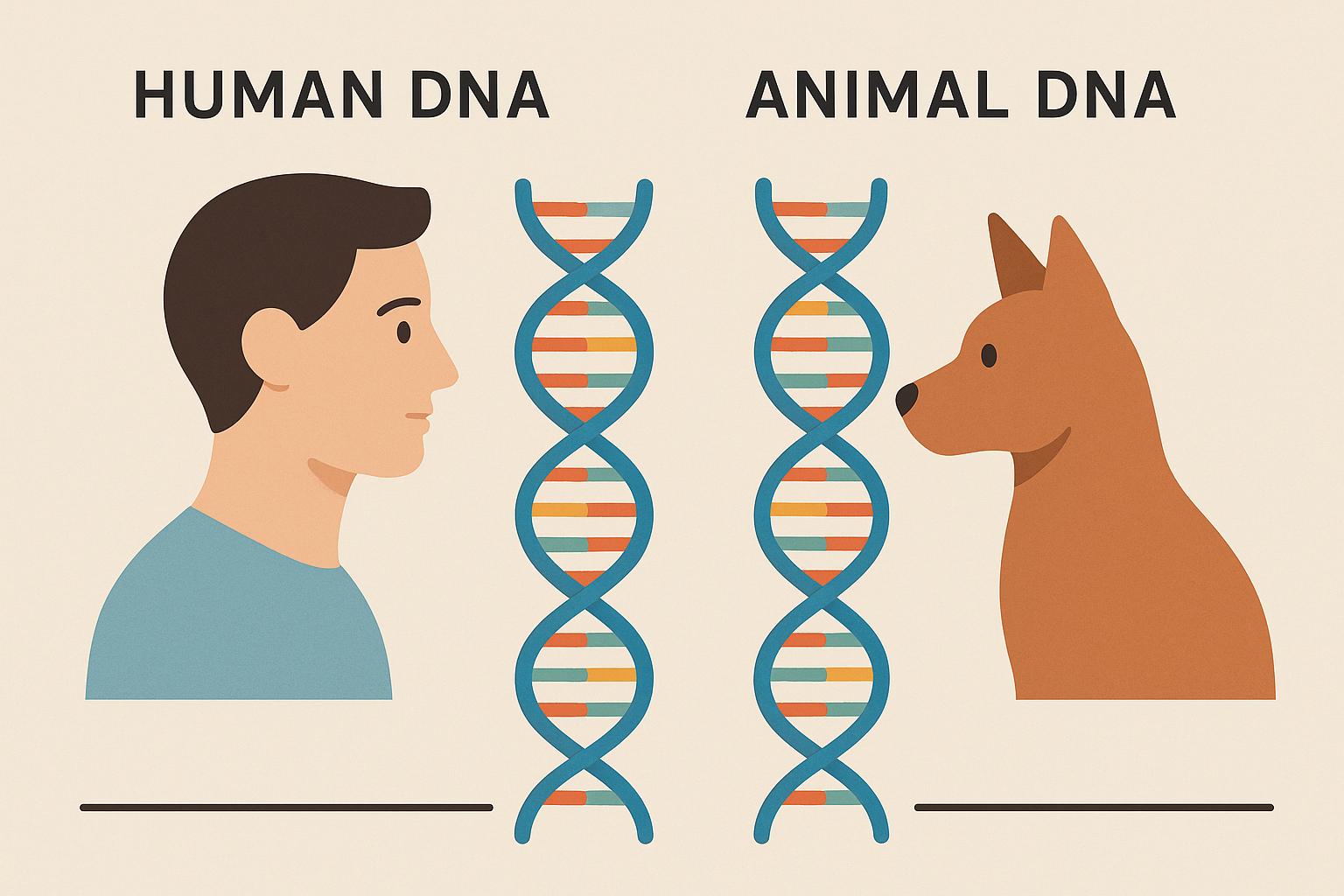
The DNA of both humans and animals is organized in the iconic double helix structure made up of nucleotide pairs. However, the quantity and organization of these base pairs differ markedly across species. In humans, the genome is composed of approximately 3 billion base pairs spread across 23 chromosome pairs. In contrast, other species may have more or fewer base pairs, reflecting their evolutionary history and biological complexity.
These structural differences in DNA give rise to the unique characteristics of each species. For instance, the number of genes in the genome and their precise arrangement can have profound effects on an organism’s biology. Although humans and some animals, such as primates, exhibit striking similarities in their genetic codes, even minute variations can result in significant divergences in physical traits and behaviors. This aspect underlines the delicate balance maintained in genetic evolution, where small genetic changes can lead to the development of distinct species.
Gene Expression and Regulation
The process of gene expression refers to how the encoded information within DNA is transformed into functional products, primarily proteins. These proteins are responsible for manifesting phenotypic traits. However, the manner in which genes are expressed—and regulated—differs between species.
The regulation of gene expression is essential to the development of varied physical and behavioral attributes observed in both humans and animals. This regulation determines which genes are turned on or off at any given time, affecting everything from an organism’s physical appearance to its metabolic functions. For example, in mammals, the regulation of genes associated with hair growth is fundamentally different from the regulation in birds that result in feather development.
Understanding these regulatory mechanisms is crucial because they often explain why certain species develop unique adaptations. By exploring gene regulation, researchers gain insight into the evolutionary pressures that have shaped the genomes of different species over millennia.
Mutations and Evolutionary Adaptations
Mutations—alterations in the DNA sequence—are a natural byproduct of cell division and can have varied impacts. While many mutations are neutral, some can lead to advantageous adaptations or detrimental issues. These mutations are central to the process of evolution, as accumulated genetic changes over generations are what drive the divergence of species.
In the animal kingdom, certain mutations enable species to thrive in particular environments. The development of the thick fur of polar bears, suited for cold climates, is one example of such beneficial mutations. In humans, evolutionary adaptations have also occurred, such as the ability to digest lactose past infancy, which arose from changes in diet and lifestyle over time.
By studying both deleterious and beneficial mutations, scientists can trace the evolutionary history of species, understanding how they have evolved in response to changes in their environment and lifestyle. This knowledge not only enhances our understanding of evolution but also informs conservation efforts and strategies for managing biodiversity.
Practical Applications of Understanding DNA Differences
The analysis of DNA differences between humans and animals holds significant promise for practical applications, particularly in the realms of medical research and biotechnology. By leveraging the genetic similarities shared across species, researchers have been able to create animal models that mimic human diseases. These models are invaluable for studying the pathophysiology of complex conditions and testing new treatments before they are applied in clinical settings.
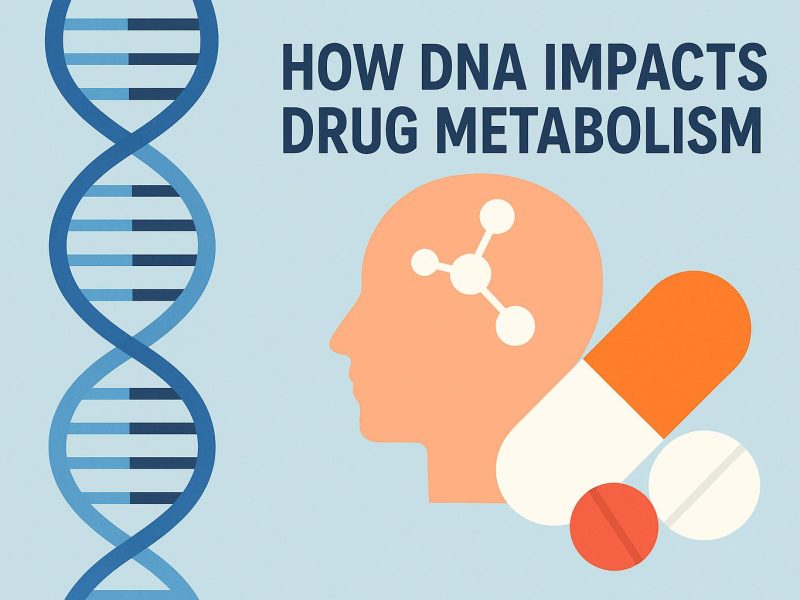
For example, insights gained from studying genetic variations have led to advances in personalized medicine, where treatments are tailored based on an individual’s genetic makeup. Moreover, understanding these genetic differences plays a critical role in developing gene therapies intended to correct genetic disorders at their source.
The ethical considerations surrounding genetic research add a layer of complexity but also enrich the field. As we push the boundaries of genetic science, we must carefully consider the moral implications of altering genetic material, both in humans and animals. These considerations include the potential for unintended consequences, respect for biodiversity, and the implications of genetic modifications on ecosystems.
Altogether, the study of DNA differences between humans and animals not only highlights the intricate dance of evolution but also positions us to harness genetic knowledge for the betterment of health and understanding life on Earth. For those interested in a deeper exploration of this topic, a wealth of resources is available in academic journals, libraries, and genetic research websites.