The Rise of Synthetic DNA
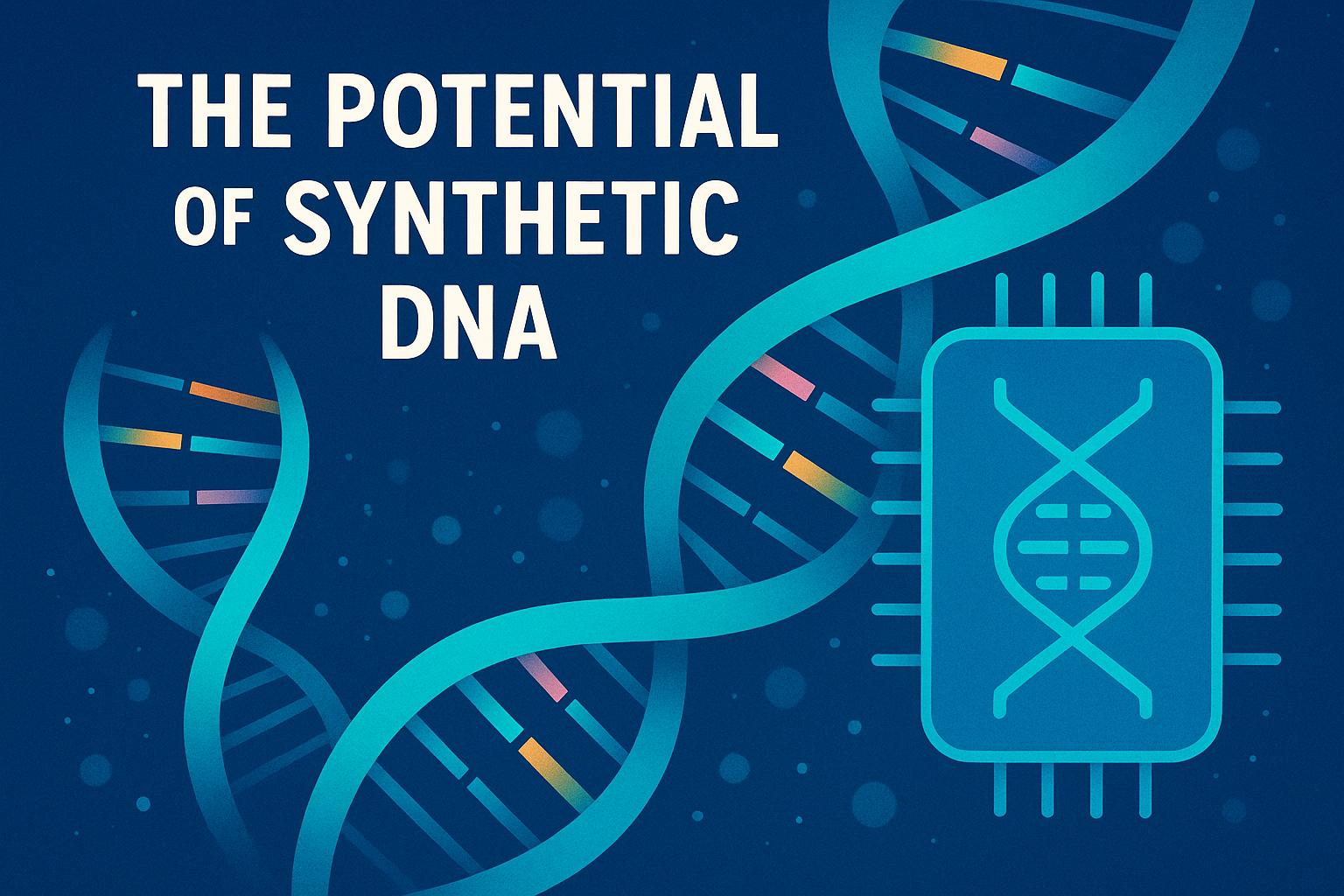
The advent of synthetic DNA marks a significant turning point in biotechnology and genetic engineering. It opens new avenues for research, medical treatments, and even sustainable manufacturing processes. By chemically synthesizing DNA sequences, scientists can design and create new genetic codes, enabling a deeper understanding of genetic functions and fostering the potential to build novel organisms.
Understanding Synthetic DNA
Synthetic DNA is produced in laboratories through a process called DNA synthesis. Unlike natural DNA, which is extracted from living organisms, synthetic DNA can be custom-designed to include specific sequences that do not exist in nature. This is achieved by assembling small fragments of nucleotides, the building blocks of DNA, into longer strands. The technology required for this process has rapidly advanced, allowing for more accurate and longer sequences to be synthesized.
The process begins with the selection of a target sequence, which scientists wish to create or modify. This sequence then undergoes a synthesis procedure where nucleotides are chemically bonded in a specified order, forming an artificial strand of DNA. Advancements in this field have led to the creation of entire genomes for microorganisms, propelling synthetic biology into new realms of possibility. As precision improves, so does the potential for groundbreaking applications across various sectors.
Applications in Medicine
The medical field stands to benefit significantly from the innovations of synthetic DNA. Several applications are already showing promise in improving healthcare outcomes.
Personalized Medicine: One of the most promising applications of synthetic DNA is in the field of personalized medicine. Synthetic gene sequences can tailor treatments to the genetic makeup of individual patients, improving the efficacy of drugs and minimizing side effects. For example, synthetic DNA-based drugs are being developed to target specific cancer cells, sparing healthy tissue and reducing the harmful impacts of traditional chemotherapy. This approach holds the promise of more effective interventions by ensuring that therapies are aligned with the unique genetic profile of each patient, leading to enhanced responsiveness and fewer complications.
Vaccine Development: Synthetic DNA is also revolutionizing vaccine development. Traditional vaccines rely on weakened or killed pathogens to stimulate an immune response. In contrast, synthetic DNA vaccines use a fragment of the pathogen’s genetic material to induce immunity. This method is faster, safer, and more cost-effective, as demonstrated by recent advances in vaccines for viruses like Zika and influenza. The COVID-19 pandemic further highlighted the potential of synthetic DNA vaccine platforms, which quickly adapted to generate effective vaccination strategies in record time.
Synthetic DNA also holds potential for the treatment of genetic disorders. By correcting or replacing defective genes, synthetic DNA can offer therapeutic solutions to conditions currently treated symptomatically, bringing hope to individuals and families affected by genetic illnesses.
Sustainable Manufacturing
The use of synthetic DNA extends beyond medical applications to sustainable manufacturing processes. By engineering microorganisms to produce chemicals, fuels, and materials traditionally derived from non-renewable resources, synthetic biology could help reduce the environmental impact of industrial production. For instance, microorganisms with synthetic DNA are being developed to convert plant waste into biodegradable plastics and biofuels, presenting a viable alternative to fossil-based products.
This transformation also encompasses the production of pharmaceuticals and food ingredients. Engineered microbes can synthesize complex molecules, reducing dependency on resource-intensive practices and conserving biodiversity. Furthermore, synthetic DNA can optimize agricultural outputs by creating pest-resistant crops or improving nutrient profiles, contributing to food security and lessening agricultural impact on ecosystems.
Environmental and Ethical Considerations
While the potential of synthetic DNA is vast, it also raises important environmental and ethical issues. The release of genetically modified organisms into the environment poses unpredictable risks to ecosystems, and the creation of new life forms prompts discussions about the ethical boundaries of genetic engineering.
Regulatory frameworks are being developed to address these concerns, including guidelines for the safe use and containment of synthetic organisms. Ethical debates continue to evolve as the technology progresses, emphasizing the need for responsible innovation. Regulatory bodies must ensure a balanced approach, weighing the benefits of synthetic DNA solutions against potential ecological disruptions and ethical dilemmas.
Measures that involve risk assessment and controlled usage are paramount in managing the potential consequences of releasing modified organisms. Collaboration between scientists, ethicists, policymakers, and the public will play a critical role in shaping the future of synthetic biology, ensuring it aligns with societal values and priorities.
For more detailed information on synthetic DNA and its applications, consider reviewing resources from institutions such as the National Human Genome Research Institute or the Synthetic Biology Research Institute.