The Potential of DNA Technology in Healthcare
The progress in DNA technology over the past few decades has opened up transformative possibilities in the healthcare sector. By understanding the intricacies of genetic information, healthcare professionals are now better equipped to diagnose, treat, and even prevent various health conditions.
Advancements in Genetic Testing
Genetic testing is among the most direct applications of DNA technology. It allows for the early detection of genetic disorders, enabling quicker responses to potential health issues. With advances in genome sequencing, tests are becoming more accurate and affordable. Genetic testing provides critical insights into hereditary conditions, assisting doctors in formulating personalized treatment plans. More information on this can be found on official health websites.
One of the primary benefits of genetic testing lies in its ability to reveal hidden aspects of our genetic makeup. These tests can predict the risk of developing certain conditions, such as cancer and heart disease, thus enabling proactive measures to mitigate potential health threats. Furthermore, genetic testing during pregnancy allows expectant parents to understand the likelihood of their child inheriting certain genetic disorders.
The increasing accessibility of genome sequencing has played a pivotal role in broadening the scope of genetic testing. As sequencing costs continue to decrease, more individuals have the opportunity to gain insights into their genetic health. This trend is driving a shift from reactive to proactive healthcare, where individuals are empowered to make informed decisions about their health before the onset of illness.
Personalized Medicine
DNA technology is paving the way for personalized medicine, which tailors medical treatment to the individual characteristics of each patient. This approach contrasts sharply with the traditional one-size-fits-all medicine. Personalized treatments based on a person’s genetic profile can improve drug efficacy and minimize adverse effects. For instance, pharmacogenomics uses genetic information to predict how individuals will respond to medication, potentially revolutionizing how conditions such as cancer and cardiovascular diseases are treated.
The customization of medical treatment plans according to genetic makeup ensures that patients receive the most effective therapies while minimizing the risk of adverse reactions. This marks a significant advancement in patient care, as it addresses the variability in drug responses observed among different individuals. In oncology, for example, personalized medicine has enabled the development of targeted therapies that are specifically designed to attack cancer cells’ genetic mutations, leading to improved outcomes and reduced side effects.
Moreover, personalized medicine extends beyond treatment, playing a role in disease prevention and early intervention. By understanding an individual’s genetic susceptibility to certain conditions, healthcare providers can recommend lifestyle modifications and screenings to reduce the risk of disease development. This approach fosters a proactive mindset, encouraging individuals to take charge of their health and prevent conditions before they manifest.
Gene Editing and Therapy
Gene editing technologies, such as CRISPR, have emerged as powerful tools in reshaping healthcare. CRISPR has the potential to precisely modify DNA sequences, which could lead to cures for genetic diseases that were previously thought incurable. While the clinical applications of such technologies are still largely in the experimental phase, ongoing research is promising. Gene therapy is being explored as a method to replace faulty genes with functional ones, targeting diseases at their genetic roots.
The precision and versatility of gene editing tools enable scientists to target and alter specific genetic sequences with unprecedented accuracy. This heralds a new era in the treatment of genetic disorders, offering hope to individuals affected by conditions such as cystic fibrosis, sickle cell disease, and muscular dystrophy. By directly addressing the genetic cause of these diseases, gene therapy has the potential to provide long-lasting and curative solutions.
In addition to treating genetic disorders, gene editing holds promise for combating infectious diseases and antibiotic resistance. Researchers are exploring ways to modify the genes of bacteria and viruses, rendering them less virulent or resistant. Such innovations could lead to new strategies for managing global health challenges and reducing the burden of infectious diseases.
Ethical and Regulatory Considerations
Despite the immense potential of DNA technologies, ethical and regulatory challenges persist. Concerns about genetic privacy, potential misuse of genetic data, and the ethics of gene editing are topics of ongoing debate. Regulatory bodies are continually working to establish guidelines that balance innovation with ethical responsibility. Information about the regulatory landscape can be accessed through official regulatory bodies.
Safeguarding genetic information and ensuring its ethical use remains a central concern in the evolution of DNA technology. Protecting individuals’ privacy and preventing genetic discrimination are essential aspects of creating an environment where the benefits of genetic advancements can be fully realized. Policymakers and regulatory authorities are actively engaged in crafting frameworks that address these issues, emphasizing the importance of informed consent, data protection, and transparency.
Furthermore, the ethical implications of gene editing, especially regarding germline modification, necessitate careful consideration. The prospect of altering genetic material in ways that can be passed down to future generations raises questions about long-term consequences and the potential for unintended effects on the human gene pool. As researchers explore the boundaries of genetic manipulation, it is imperative that discussions surrounding ethical boundaries, public acceptability, and societal impact continue to guide responsible innovation.
Conclusion
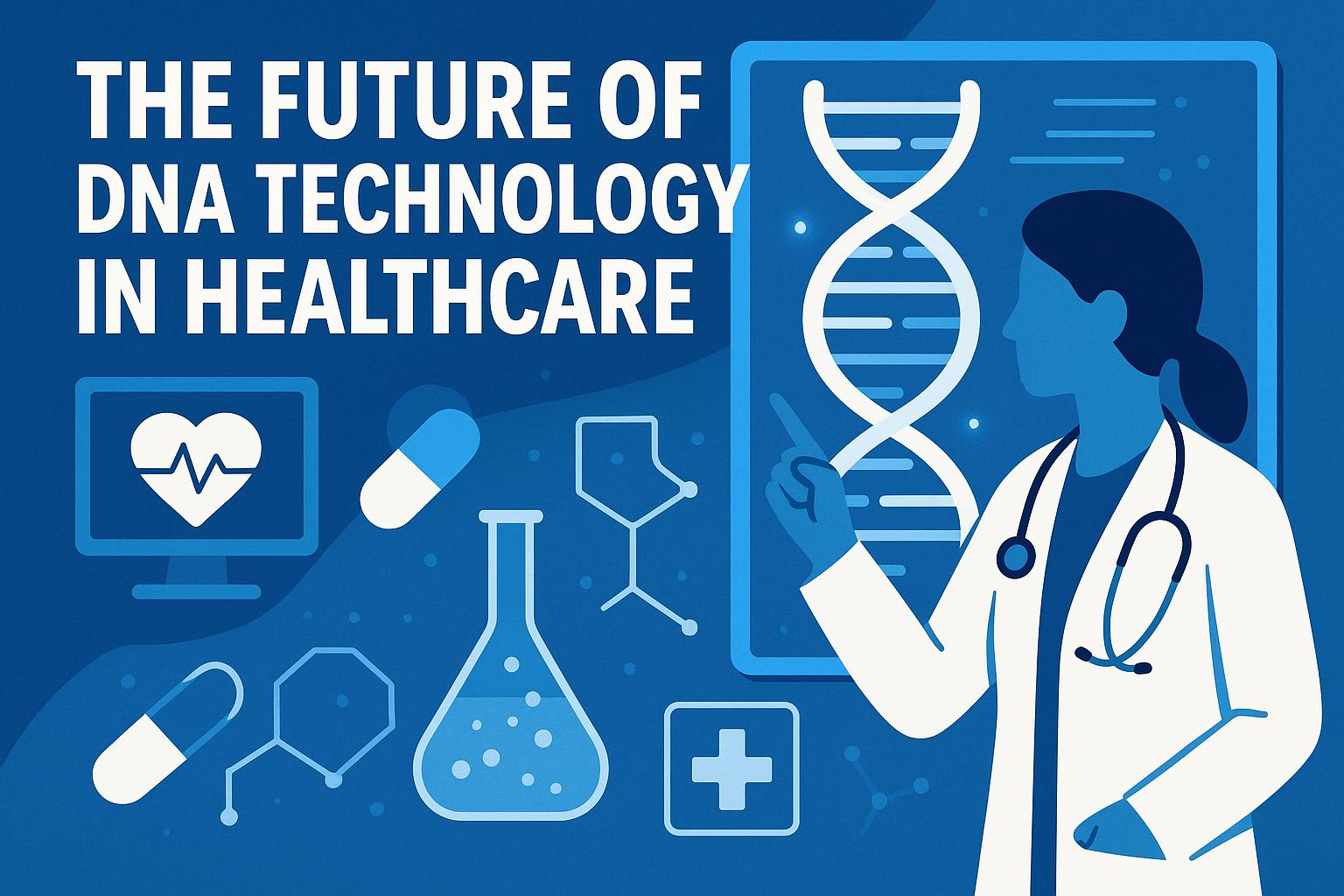
The future of DNA technology in healthcare is both promising and complex. As research progresses, DNA technology will likely play a crucial role in shaping the future landscape of healthcare, offering unprecedented opportunities for customized treatments and disease management. Nonetheless, the pathway forward must be navigated with careful consideration of the ethical, legal, and social implications.
Innovations in genetic testing, personalized medicine, and gene therapy hold the potential to revolutionize the way we approach healthcare, fostering a more individualized and precise paradigm of medicine. However, realizing this vision requires ongoing collaboration between scientists, healthcare providers, policymakers, and society at large. By fostering a shared understanding of the benefits and challenges of DNA technology, we can navigate the complexities of this transformative field and ensure that its advancements lead to a healthier, more equitable future for all.