Understanding the Importance of Genetic Testing in Cancer Risk Assessment
In recent years, the field of genomics has made significant strides, enabling individuals to gain deeper insights into their genetic makeup. One of the vital applications of these advancements in genomic science is assessing the risk of developing cancer through DNA testing. This process involves a meticulous examination of an individual’s genetic material to determine the presence of specific markers that could indicate a predisposition to cancer. Consequently, understanding the potential risks and implementing personalized healthcare strategies can play a pivotal role in the early intervention and prevention of cancer.
Exploring the Mechanism of DNA Testing
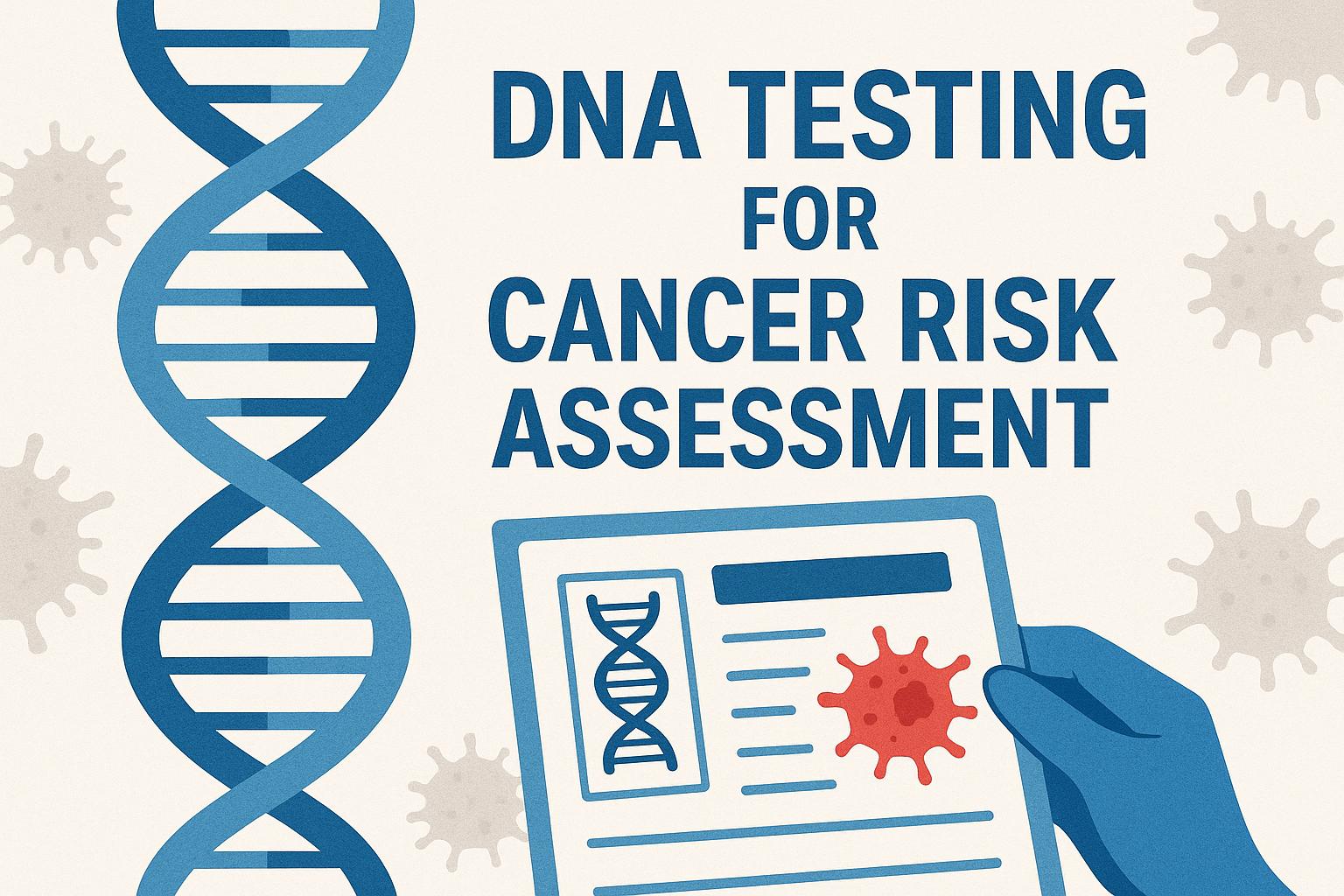
The procedure for DNA testing is relatively straightforward, making it accessible to a wide range of individuals interested in evaluating their cancer risk. Typically, the collection of genetic material is done through non-invasive methods. A saliva sample or a simple blood test suffices to obtain the necessary DNA. Once collected, the DNA sample undergoes extensive analysis in a laboratory setting. During this phase, experts look for genetic markers—variations or mutations associated with a heightened cancer risk. Thanks to technological advancements, laboratories can now conduct these analyses with remarkable precision and efficiency, providing crucial information that can guide future healthcare decisions.
Decoding Genetic Markers: Gauging Cancer Risk
The concept of genetic markers is central to understanding how DNA testing can assess cancer risks. Particular gene mutations serve as indicators of increased susceptibility to certain types of cancer. BRCA1 and BRCA2 mutations are perhaps the most well-known examples, substantially elevating the risk of breast and ovarian cancers. Similarly, mutations in genes like TP53, PTEN, and those related to Lynch syndrome are linked to various other cancer types, including colorectal cancer. Recognizing the presence of these mutations is instrumental for both patients and healthcare providers. Armed with this information, they can develop comprehensive surveillance plans and implement preventive strategies tailored to the individual’s genetic profile.
The Dual Nature of DNA Testing: Pros and Cons
While DNA testing for cancer risk assessment offers numerous advantages, it is critical to acknowledge its limitations. Benefits primarily lie in the realm of early detection and preventive healthcare. Identifying individuals with a high predisposition to certain cancers allows for the implementation of vigilant monitoring strategies and lifestyle adjustments aimed at reducing cancer risk. However, despite these benefits, DNA testing is not without its challenges. False positives and negatives can occur, limiting the accuracy of predictions. Additionally, the realm of cancer genomics is still expanding, meaning that not all potential genetic markers have been identified or understood. This underscores the importance of a continual evolution in research and testing practices.
Navigating the Ethical and Privacy Challenges
The acquisition of detailed genetic information necessitates careful consideration of ethical and privacy issues. There is a growing concern regarding the potential misuse of genetic information, particularly in contexts such as employment and insurance. The Genetic Information Nondiscrimination Act (GINA) offers some protection by prohibiting discrimination based on genetic information. Despite this, the possibility of genetic discrimination remains a topic of concern. Beyond legal and ethical considerations, the psychological impact of receiving DNA test results should not be underestimated. Individuals and their families must be prepared for both positive and negative outcomes, as these results can influence life-altering decisions regarding health and lifestyle choices.
Future Directions and Continued Development in Genomics
The future of DNA testing in the context of cancer risk assessment looks promising, with advances in technology driving the evolution of more comprehensive and accurate testing methods. Continued research efforts are essential to expand the catalog of known genetic markers and improve the predictive capabilities of existing tests. Through collaboration between researchers, clinicians, and genetic counselors, a more nuanced understanding of genetic predisposition to cancer can be achieved, ultimately leading to enhanced patient care and outcomes.
Integrating DNA Testing into Personalized Healthcare
As genomic science progresses, integrating DNA testing into routine healthcare practices becomes increasingly viable. Personalized healthcare—tailoring medical interventions and preventive measures based on an individual’s genetic profile—holds the potential to revolutionize the management of cancer risk. This approach not only focuses on early detection but also considers lifestyle modifications, dietary adjustments, and other personalized interventions to mitigate risk factors. By fostering a proactive relationship between patients and healthcare providers, DNA testing supports a more individualized healthcare experience, potentially reducing the prevalence and impact of cancer in the long term.
In summary, DNA testing for cancer risk assessment is a powerful tool that holds great promise for the future of personalized medicine. As the field of genomics continues to evolve, so too will the methods and applications of DNA testing, providing increasingly sophisticated insights into genetic predispositions and empowering individuals to take charge of their health. For those interested in exploring the impact of DNA testing further, resources such as the National Cancer Institute and the National Human Genome Research Institute offer valuable information and support.