The Basics of DNA and Cloning
DNA plays a groundbreaking role in cloning initiatives, especially when it comes to reviving extinct species. As the hereditary material in nearly all living organisms, DNA serves as the intricate blueprint for developing and structuring biological entities. By focusing on the genetic material extracted from preserved remnants, scientists endeavor to create viable clones of species that have ceased to exist. The concept of cloning makes it possible to potentially reconstruct the biodiversity of our planet by bringing back these lost species, opening various scientific and ethical discussions.
The Process of Obtaining DNA
The extraction of DNA from extinct species initiates a significant phase in the cloning process. This task, however, is characterized by its complexity and delicacy. Researchers often acquire DNA samples from specimens, especially those conserved in conditions such as permafrost and amber that naturally inhibit the decomposition process. Despite the progress in technological fronts, obtaining uncontaminated and intact DNA still presents a considerable challenge in the field. High-quality samples serve as the foundation for potentially successful cloning efforts, which is why the environment in which these samples are preserved plays a crucial role.
Challenges in Extracting DNA
The extraction of DNA from extinct species involves numerous challenges, primarily due to the degradation these genetic materials undergo over time. Multiple environmental factors, combined with microbial activity, contribute to the fragmentation of DNA, making it difficult to retrieve complete sequences. The art of piecing together these fragmented sequences involves advanced scientific techniques, allowing researchers to work towards recreating a complete genetic code required for potential cloning endeavors.
Role of Ancient DNA Technology
The advancements in ancient DNA technology have paved new paths for conducting research concerning the cloning of extinct species. Techniques such as polymerase chain reaction (PCR) and next-generation sequencing are at the forefront of this scientific evolution. These methodologies have remarkably enhanced our capabilities to extract, recover, and analyze ancient DNA, bringing to light the previous shadows of genetic sequences that would otherwise remain inaccessible. For individuals interested in the technical specifics of these methodologies, reviewing scientific publications or technology-dedicated articles would be highly enlightening. The progressive nature of these techniques indicates ongoing evolutions in our understanding and handling of ancient genetic material.
Creating Living Clones
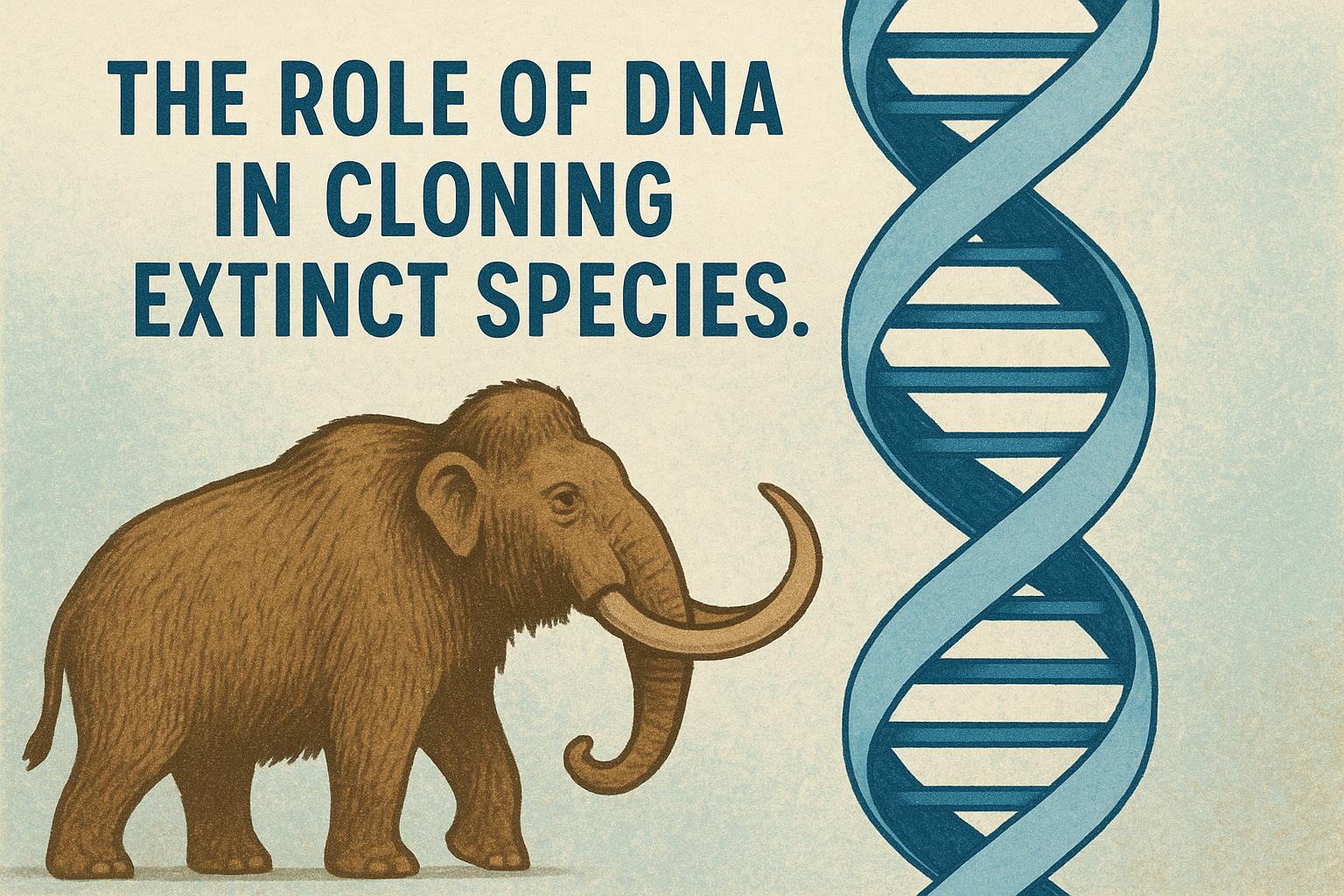
Accomplishing the creation of living clones involves the subsequent step of synthesizing the complete DNA sequence into a viable embryo. Achieving this objective typically necessitates employing a closely related living species as a surrogate. A notable example is the ongoing attempts to clone the woolly mammoth using African or Asian elephants as potential surrogates due to their genetic and physiological resemblances. The integration of genetic material with related living organisms acts as a contemporary solution to many technical barriers in the cloning process.
While DNA remains pivotal in the cloning of extinct species, it does not stand alone in determining the success of the endeavor. A multifaceted understanding of genetics is required, incorporating insights into ecological and behavioral spectrums to ensure not just the creation, but also the successful reintroduction of these species into today’s ecosystems. Ethical contemplation adds another layer of complexity, as the act of reviving lost species intertwines with profound moral implications. These questions stimulate substantial discourse in both scientific communities and ethical forums, pinpointing the significance of considering these elements thoroughly.
Ethical implications and technological advancements in cloning represent crucial areas of exploration for those intrigued by this field. One may consider visiting specialized genetics research organizations and perusing academic journals to gain enriched perspectives on these matters. As the field of cloning evolves, it continually enriches our insights into both scientific advancement and bioethical discussions, projecting exciting speculations about the future of genetic sciences.