Understanding DNA Translation and Transcription
The intricate processes of DNA translation and transcription play indispensable roles in life’s core functions. Acting as fundamental components in protein synthesis, they are critical to numerous biological processes. Their significance stretches across various domains, including genetics, biotechnology, and medical sciences, emphasizing their centrality to life.
DNA Transcription: From DNA to RNA
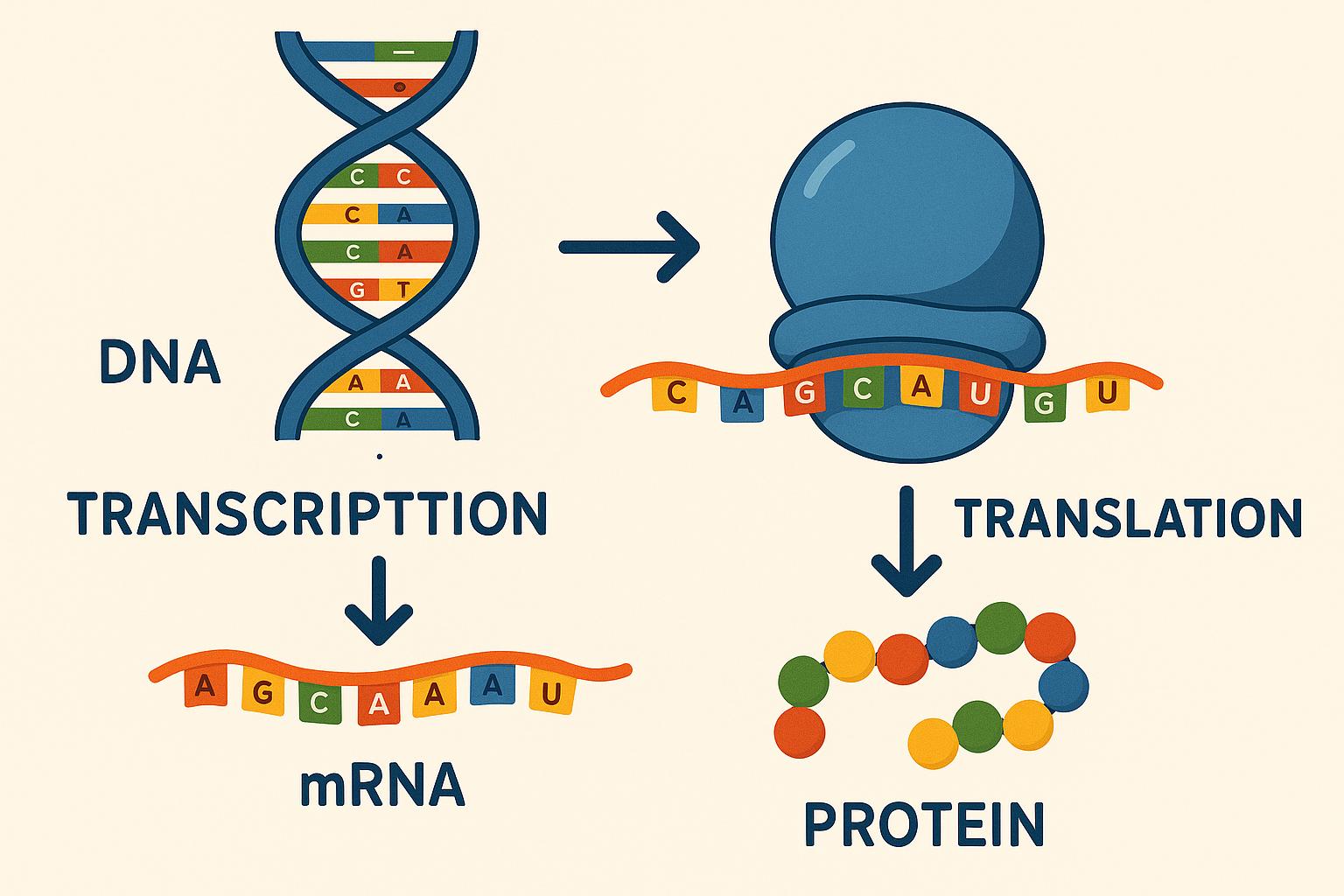
DNA transcription represents the initial phase in the intricate flow of genetic information within a cell. During this phase, a distinct segment of DNA is meticulously transcribed into messenger RNA (mRNA) by the enzyme RNA polymerase. This crucial process unfolds in the nucleus of eukaryotic cells, serving as a key step in the expression of genetic information.
The transcription process initiates when RNA polymerase binds to a DNA region called the promoter. Here, the enzyme undertakes the task of unwinding the DNA strand and commences synthesizing a complementary RNA strand. As a result, the resulting mRNA emerges as a carrier of genetic instructions essential for protein synthesis, facilitating the transfer of this information from the nucleus to ribosomes located in the cytoplasm.
Importance of Transcription
The importance of the transcription process cannot be overstated, as it plays a pivotal role in regulating gene expression. This capability allows cells to adeptly respond to environmental changes. Furthermore, transcription ensures the precise transmission of genetic data from DNA to RNA, positioning itself as the blueprint for protein production. Understanding these mechanisms offers insights into how life operates at the molecular level. For those interested in deeper exploration, resources such as Nature provide valuable information.
DNA Translation: From RNA to Protein
Following transcription, the equally significant process of DNA translation occurs. During this phase, cellular machinery expertly converts the mRNA sequence into a corresponding sequence of amino acids, forming a protein. This intricate process occurs in ribosomes and involves transfer RNA (tRNA) serving as an intermediary to facilitate translation.
The translation process sets off with the binding of mRNA to the ribosome. The ribosome proceeds to read the mRNA sequence in groups of three nucleotides, known as codons. Each codon is a directive for adding a specific amino acid, which tRNA molecules consequently bring to the ribosome. As each codon is interpreted, the related amino acid is appended to the growing polypeptide chain, ultimately leading to the assembly of a complete protein.
Significance of Translation
DNA translation stands as a crucial phase in gene expression, ultimately dictating the structure and function of proteins that fulfill essential cellular roles. Proper translation of genetic data is fundamental for maintaining cellular health and operation. Disruptions in this process can lead to diseases, encompassing genetic disorders and even cancer. To delve deeper into translation’s intricacies, the ScienceDirect database offers a wealth of comprehensive articles worth exploring.
The Interconnection of Transcription and Translation
An intrinsic link exists between the processes of transcription and translation, forming what is known as the central dogma of molecular biology. This scientific principle illustrates the sequential flow of genetic information from DNA to RNA to protein, underlining the vital partnership of transcription and translation for sustaining life.
Understanding the interdependent mechanisms and profound implications of DNA transcription and translation provides invaluable insights into life’s molecular foundations. These processes unravel the mystery of how genetic material is transformed into functional proteins, paving the way for groundbreaking scientific research and novel medical applications. By dissecting these processes, researchers continue to unlock potential advancements that could revolutionize our approach to genetic research, biotechnology, and medical treatment, shaping the future of science and healthcare.
The Wider Implications of Transcription and Translation
The far-reaching impact of transcription and translation transcends their biological significance, influencing a multitude of scientific and medical fields. In genetics, these processes are fundamental for understanding hereditary patterns and the manifestation of genetic disorders. By scrutinizing transcription and translation, scientists can identify mutations and understand their consequences, thereby developing strategic interventions for genetic conditions.
In the realm of biotechnology, advances in understanding these processes have enabled innovations such as recombinant DNA technology, which facilitates the production of insulin, growth hormones, and other vital proteins. Such innovations are transforming medical treatments, offering new hope for individuals with previously untreatable conditions.
Moreover, in medicine, transcription and translation processes offer insight into disease mechanisms at a molecular level, particularly in diseases such as cancer, where gene expression can become dysregulated. By targeting aberrant transcription and translation pathways, researchers are developing targeted therapies that offer precision treatment options, minimizing adverse effects and improving patient outcomes.
Future Directions and Research
The future of research into DNA transcription and translation is promising, with ongoing studies seeking to unravel the complexities of these molecular processes further. Cutting-edge technologies such as CRISPR-Cas9 genome editing are being leveraged to manipulate transcription factors and gene expression precisely, offering potential pathways for innovative treatments.
Furthermore, advancements in bioinformatics and computational biology are enabling the analysis of vast datasets to predict how genetic variations influence transcription and translation processes, contributing to personalized medicine approaches tailored to individual genetic profiles.
Overall, as research progresses, a deeper comprehension of transcription and translation will undoubtedly continue to yield transformative insights in science and medicine, influencing everything from diagnosis and treatment of diseases to the development of new biotechnological tools and applications. Such strides underscore the ongoing importance of these fundamental biological processes, not only for understanding life’s essential mechanisms but also for improving human health and well-being.