Introduction to DNA Barcoding
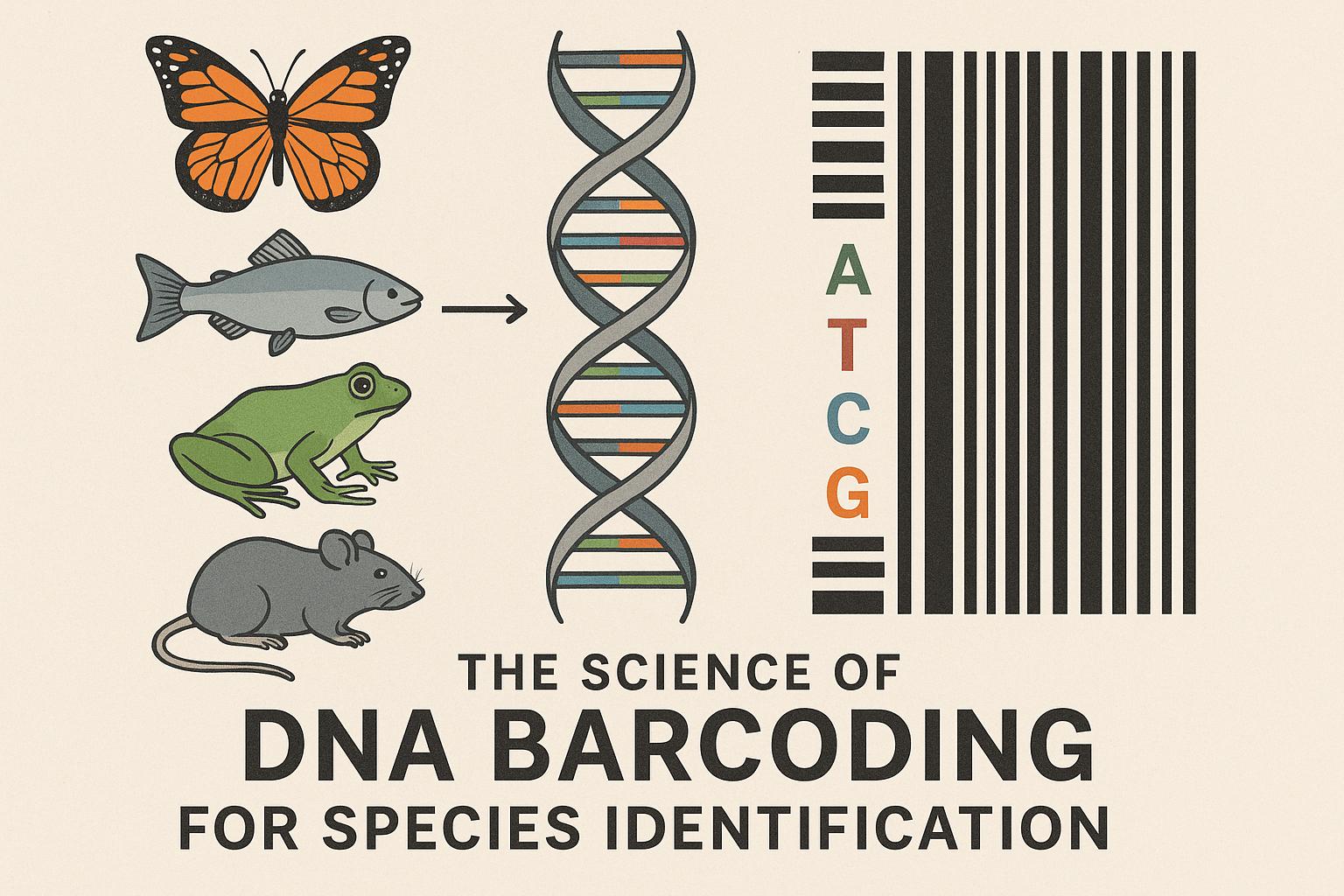
DNA barcoding is a method utilized to identify and differentiate species by analyzing a short genetic sequence from a standardized segment of the genome. This innovative approach has demonstrated remarkable potential across various domains such as biodiversity studies, conservation efforts, and ecological research. By concentrating on a specific gene or DNA region, scientists have developed a form of biological ‘barcode’ that facilitates rapid and accurate species identification.
How DNA Barcoding Works
The process of DNA barcoding consists of several steps. Initially, DNA is extracted from a specimen. Subsequently, the target DNA region is amplified using a process called polymerase chain reaction (PCR). This step is crucial as it increases the quantity of the DNA segment, making it easier to analyze. Once amplified, the DNA is sequenced to read the order of nucleotides within the segment. This sequence acts as the species-specific barcode that can be compared against databases for identification.
Role of Polymerase Chain Reaction (PCR)
Polymerase Chain Reaction (PCR) serves as a cornerstone technology in the DNA barcoding process. This technique allows for the amplification of minute quantities of DNA, which is essential for effective analysis. By raising and lowering temperatures in a controlled manner, PCR facilitates the replication of the target DNA region through cycles, ensuring sufficient DNA is available for sequencing.
Selection of DNA Regions
Selecting an appropriate DNA region is crucial to the success and reliability of DNA barcoding. The chosen segment should be ubiquitous among the target group members, exhibiting enough variability between species to provide informative distinction, yet stable enough within a species to ensure consistency. This balance guarantees that the DNA barcode serves to effectively distinguish among species while minimizing interference from common genetic variations within a species.
For animals, a segment of the cytochrome c oxidase I (COI) gene within the mitochondrial DNA is frequently employed. In the case of plants, the ribulose-1,5-bisphosphate carboxylase (rbcL) and maturase K (matK) genes are often utilized as standard barcode regions.
Applications of DNA Barcoding
DNA barcoding finds diverse applications across numerous fields. A key area of application is biodiversity assessment. Scientists employ this methodology to catalog species within specific ecosystems, which is particularly valuable in biodiverse regions with poorly documented life forms. Furthermore, DNA barcoding is an effective tool for identifying unknown or cryptic species—organisms that visually appear similar but are genetically distinct.
DNA barcoding significantly contributes to conservation efforts. It facilitates monitoring species distribution and understanding ecological dynamics. For instance, barcoding assists law enforcement in combatting the illegal trade of protected species by enabling precise and expedient identification of wildlife products.
Challenges and Limitations
Despite the many advantages of DNA barcoding, several challenges and limitations need to be addressed. One prominent concern is the availability and quality of reference libraries. Comprehensive databases such as the Barcode of Life Data System (BOLD) are invaluable resources, yet certain regions and taxa continue to be underrepresented, which hinders their effectiveness.
Additionally, the precision of DNA barcoding can sometimes be affected by genetic phenomena such as hybridization or horizontal gene transfer. These occurrences can complicate the genetic landscape and lead to potential misidentifications.
Another challenge is managing intraspecies variability. Variability within a species can occasionally result in misidentification if individuals of the same species exhibit significant genetic differences. Therefore, establishing universal standards for barcode regions and enhancing existing databases are essential strategies for overcoming these challenges.
Future Prospects
The future of DNA barcoding appears promising, driven by ongoing advancements in sequencing technologies and data analysis tools. Reduced costs and increased accessibility to high-throughput sequencing methods are paving the way for broader applicability. Additionally, the integration of DNA barcoding with other genomic approaches promises deeper insights into genetics, ecology, and evolution.
By combining DNA barcoding with technologies such as next-generation sequencing (NGS) and bioinformatics, researchers can engage in more comprehensive studies that elucidate evolutionary relationships and environmental interactions. This integration can significantly enhance our understanding of the underlying genetic architecture of biodiversity and aid in addressing pressing ecological and conservation challenges.
For those interested in more detailed scientific discussions and updates on DNA barcoding, platforms such as the Barcode of Life Data System offer valuable resources. These platforms provide in-depth insights and access to the latest advancements in the field, helping to foster a deeper understanding of this revolutionary approach to species identification.
Interdisciplinary Collaboration
The success and expansion of DNA barcoding initiatives rely on interdisciplinary collaboration. Cooperation between geneticists, ecologists, taxonomists, and conservationists is critical for building comprehensive reference libraries and standardizing methodologies. Collaborative efforts enable the sharing of data and resources, providing a more robust framework for DNA barcoding applications.
Moreover, collaboration with local communities and stakeholders in biodiversity-rich areas is essential. Engaging these groups can enhance data collection and ensure that local ecological knowledge is integrated into scientific endeavors.
Environmental and Economic Implications
The use of DNA barcoding has broader implications for environmental management and economic activities. By providing precise species identifications, DNA barcoding can inform sustainable resource management practices. For instance, in fisheries and agriculture, accurate species identification helps prevent overexploitation and supports the development of effective management strategies.
In commercial markets, DNA barcoding can be used to verify product authenticity, thereby safeguarding against fraud and protecting consumer interests. By confirming the origin and species of products such as fish or timber, DNA barcoding helps maintain the integrity of supply chains and promotes ethical trade practices.
Concluding Remarks
DNA barcoding represents a transformative tool in the field of biological sciences. By offering a means for rapid and accurate species identification, it aids in biodiversity assessment, conservation efforts, and the enforcement of environmental laws. Despite facing challenges such as data gaps and intraspecies variability, the ongoing advancements in sequencing technologies and interdisciplinary collaborations are paving the way for its expanded application and success.
As this field continues to evolve, further research and development will undoubtedly enhance the efficacy and efficiency of DNA barcoding, leading to more refined and comprehensive applications across various domains of scientific inquiry. Enabling a deeper understanding of global biodiversity and informing conservation strategies, DNA barcoding stands as a testament to the power of genomics in addressing some of the world’s most pressing ecological challenges.