Understanding the Role of DNA in Determining Blood Types
The study of blood types and their determination plays a pivotal role in the field of medicine. It assists in the understanding of multiple medical conditions and ensures the safety of blood transfusions. At the core of this understanding is DNA, which encodes specific antigens on the surface of red blood cells. These antigens interact uniquely with the environment, adding another layer of complexity to our genetic makeup. This article aims to explore how DNA underpins the categorization of blood types, providing a comprehensive overview without the need for emotional indulgence.
The ABO Blood Group System
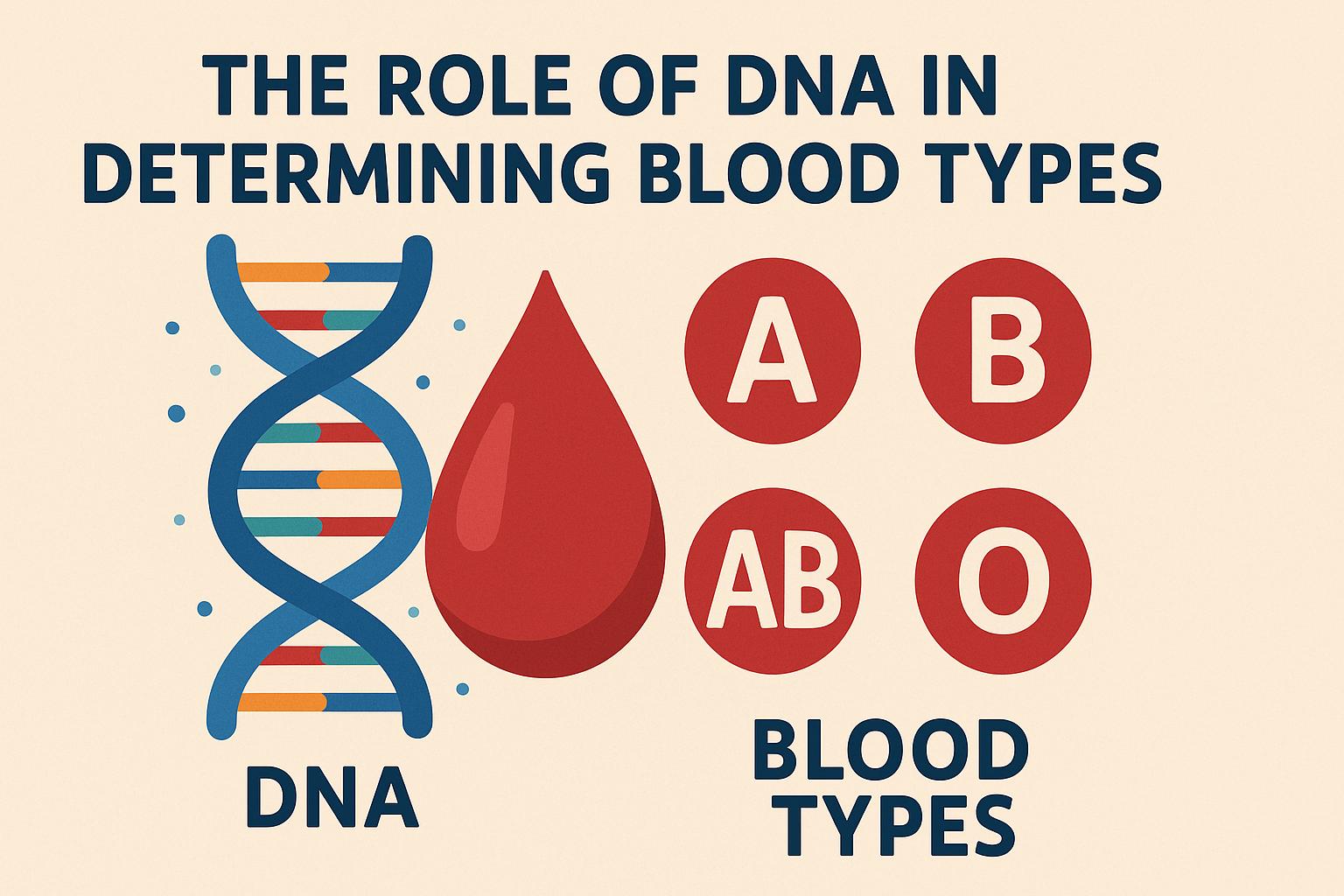
The ABO blood group system is quintessential in transfusion medicine. It is predicated on the presence or absence of two antigens, known as A and B, which reside on the surface of red blood cells. The corresponding gene associated with the ABO blood group is situated on chromosome 9. This gene manifests in three principal alleles: A, B, and O, each contributing to the ultimate blood type of an individual.
Genotypic Compositions and Phenotypic Results
Individuals classified as blood type A possess either the AA or AO genotypes. In both cases, the genetic configuration results in the expression and subsequent production of the A antigen. Conversely, those identified as blood type B have either BB or BO genotypes, which facilitate the expression of the B antigen. Individuals with AB blood type exhibit an AB genotype, inherently expressing both antigens. Lastly, blood type O is characterized by an OO genotype, which is marked by the absence of both antigens. The transmission of these genotypes from parents to offspring clearly depicts the genetic basis behind blood type determination.
Rh Factor: Another Crucial Component
In addition to the ABO system, the Rh factor plays a significant role in blood type determination. This factor is symbolized by the presence or absence of the D antigen, determined by a gene located on chromosome 1. If the D antigen is present, the individual is classified as Rh-positive. Conversely, the absence of the D antigen indicates an Rh-negative classification. This classification further influences blood transfusion compatibility, particularly in maternal-fetal interactions, as the Rh factor can lead to discrepancies in blood compatibility during pregnancy.
The Genetic Basis and Its Implications
Delving deeper into the genetic determination of blood types unveils implications that extend beyond transfusion-specific contexts. Researchers have suggested potential correlations between specific blood types and susceptibility to certain diseases. However, such associations necessitate rigorous studies to establish definitive links. By comprehending how blood types are genetically determined, we gain insights into genetic inheritance patterns. This understanding is a cornerstone of personalized medicine, where treatments and medical recommendations are tailored based on an individual’s genetic profile.
Genetics and Personalized Medicine
Personalized medicine represents the application of genetic knowledge to devise more effective diagnostic and therapeutic strategies. The nuanced understanding of blood types and their genetic determinants fosters the development of such personalized approaches. Leveraging this knowledge, healthcare providers can foresee potential health risks and offer nuanced advice tailored to an individual’s genetic disposition.
Further Exploration
For those seeking further exploration of this subject matter, numerous resources are available. Access to scientific journals, detailed books on genetics, and reputable online platforms provides a comprehensive understanding of blood types within the realm of modern genetics. This extensive body of knowledge supports both clinical and research applications, leading to advancements in precise blood typing practices.
In conclusion, unraveling the genetic intricacies of blood types not only facilitates medical procedures like transfusions but also paves the way for novel research directions in genetics and immunology. As our understanding of DNA and its role in defining blood characteristics deepens, we uncover the layers of complexity and implications inherent in our genetic makeup. This ongoing exploration holds the promise of advancing medical science, ultimately leading to improved healthcare outcomes.