The Basics of DNA and Chromosomes
Understanding the relationship between DNA and chromosomes is crucial for grasping fundamental concepts in genetics and biology. Both DNA and chromosomes play integral roles in the storage, expression, and transmission of genetic information.
What is DNA?
DNA, or Deoxyribonucleic Acid, is the molecule that carries the genetic instructions used in growth, development, functioning, and reproduction of all known living organisms and many viruses. This molecule forms the blueprint that guides cellular processes by dictating the synthesis of proteins necessary for those processes.
Nucleotides and Their Structure
Nucleotides are the building blocks of DNA, consisting of three critical components: a sugar molecule called deoxyribose, a phosphate group, and a nitrogenous base. The nitrogenous bases are divided into four types: adenine (A), cytosine (C), guanine (G), and thymine (T). The sequence of these nitrogenous bases constitutes the genetic code, which is a set of instructions that dictates cellular function and hereditary information.
The sugar and phosphate groups form the backbone of the DNA strands, while the nitrogenous bases are positioned as rungs in the interior of the helical structure. Importantly, these bases pair specifically through hydrogen bonding, with adenine pairing with thymine (A-T) and cytosine pairing with guanine (C-G). This specific base pairing is critical in maintaining the DNA’s structural integrity and in the accurate replication of genetic material during cell division.
Chromosomes: The Carriers of Genetic Material
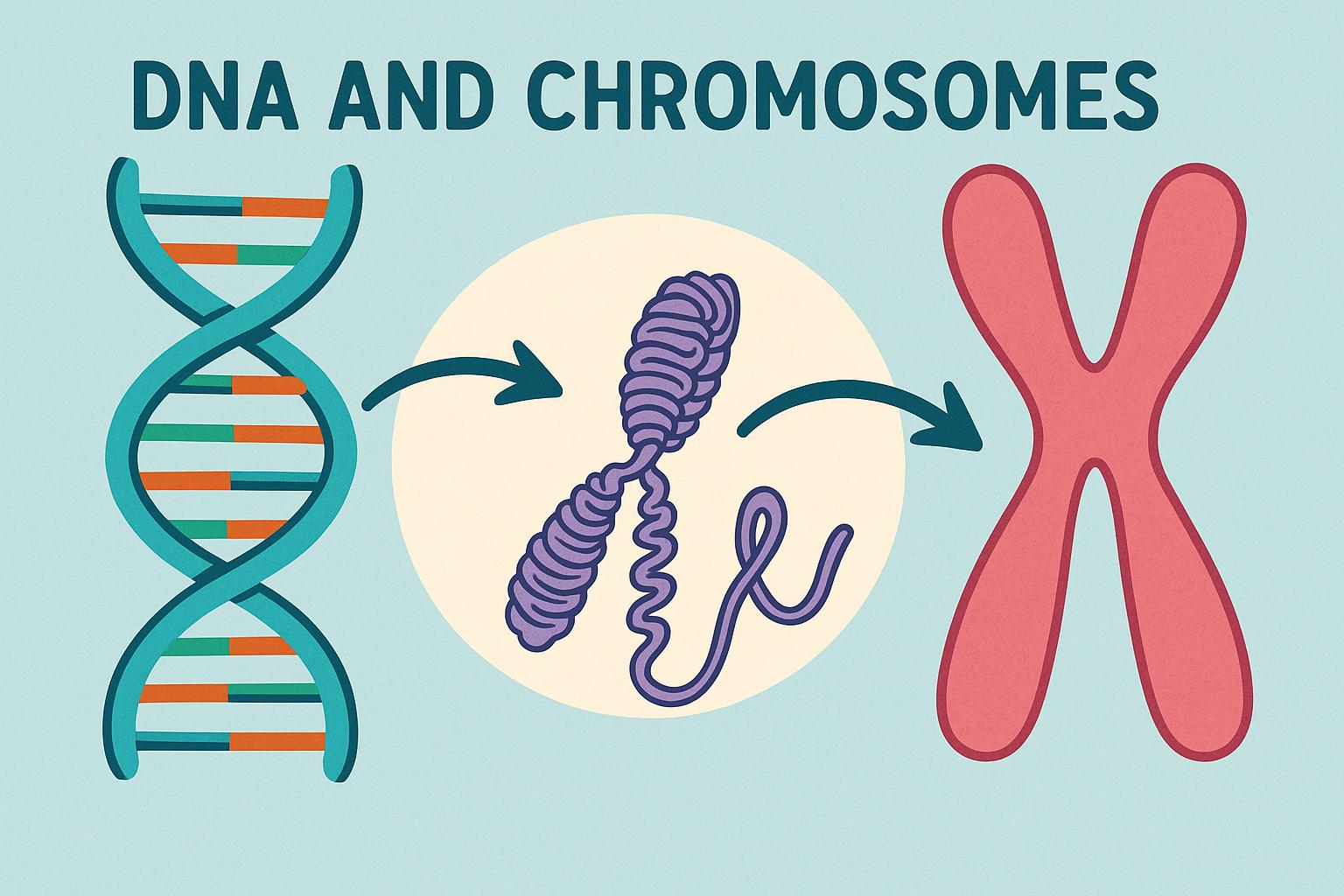
Chromosomes are structured entities composed of DNA and protein that reside within cells. They ensure the DNA is distributed evenly during cell division. In eukaryotic cells, chromosomes are located in the nucleus, whereas in prokaryotic cells, they are found in the cytoplasm. Each chromosome is comprised of a single, continuous DNA molecule coiled tightly around histone proteins. Histones are crucial as they not only help maintain the chromosome’s structure but are also involved in the regulation of gene expression.
Chromosomal Structure
Each chromosome features a unique constriction point known as the centromere. This centromere divides the chromosome into two sections termed “arms”: the p arm (short arm) and the q arm (long arm). The organization and structural integrity of chromosomes are vital during cell division, a process reliant on the centromere. The centromere plays a critical role ensuring the accurate segregation of chromosomes to daughter cells, maintaining the consistency of genetic information across generations.
The Relationship Between DNA and Chromosomes
The molecular basis of heredity, DNA, utilizes chromosomes to organize and compact the large amounts of genetic material necessary for the function of complex organisms. During cell division, DNA which has been replicated in the preparatory phase, further condenses to form discrete chromosomes. This condensation is key to ensuring that genetic material is efficiently and accurately distributed to daughter cells.
Functional Aspects
Chromosomes play a crucial role in ensuring the proper duplication and allocation of genetic material during cell division processes such as mitosis and meiosis. Mitosis allows for growth and tissue repair by distributing identical genetic material to new cells. Conversely, meiosis is pivotal for sexual reproduction, providing genetic diversity and ensuring the inheritance of genetic traits from parents to offspring. Errors in these processes can result in genetic anomalies or diseases, hence highlighting the importance of the mechanisms that govern the precise operation of chromosomes during cellular division.
For more detailed information on genetic materials, you can visit [this resource](https://www.genome.gov/genetics-glossary/DNA-and-Chromosomes).
Advanced Understanding: Gene Expression and Regulation
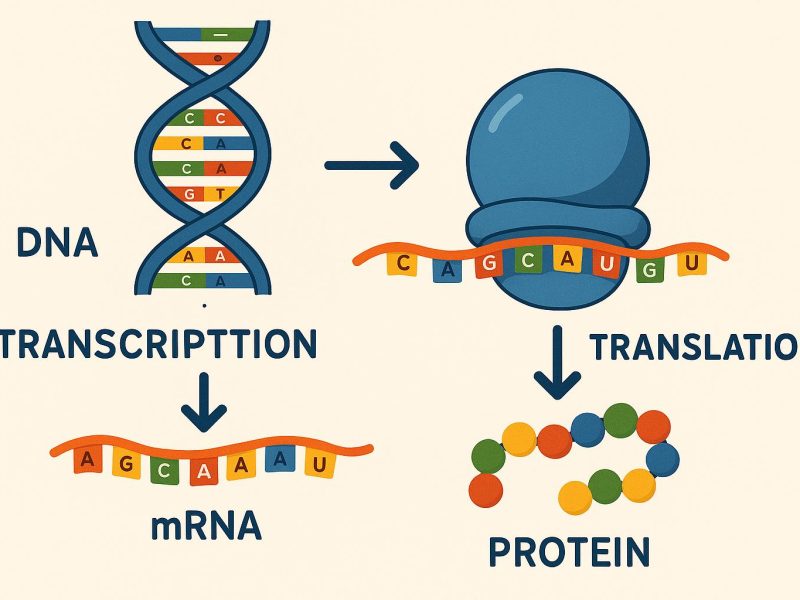
A significant aspect of DNA relates to gene expression and how this is regulated within cells. Gene expression involves transcribing a segment of DNA into RNA and then translating that RNA into functional proteins. Regulation of gene expression is a sophisticated system that allows cells to produce sufficient quantities of specific proteins when necessary, adapting effectively to changing environmental conditions or various stages of development. This regulation can occur at multiple stages, including during the transcription of DNA to RNA, the processing of RNA, and the translation of RNA into protein.
Conclusion
In summary, the relationship between DNA and chromosomes is fundamental to understanding how genetic information is stored, expressed, and passed on to successive generations. This integration of structure and function in DNA and chromosomes is central to the field of genetics and plays a significant role in multiple research disciplines, including medicine, biotechnology, and evolutionary biology. The ongoing research and discoveries in these areas promise to enhance our understanding of biological processes, offering profound implications for medical therapies and advancements in technology.