Understanding Genetic Markers in DNA
Genetic markers are specific sequences in DNA that are integral in identifying individuals or species, thereby aiding in the comprehension of genetic relations and heredity. These markers play a significant role across diverse domains such as medicine, anthropology, and forensics due to their capability to map and pinpoint unique genetic traits. This article provides an in-depth exploration into the processes and technologies utilized in identifying these markers, thereby enriching our understanding of genetic analysis.
What Are Genetic Markers?
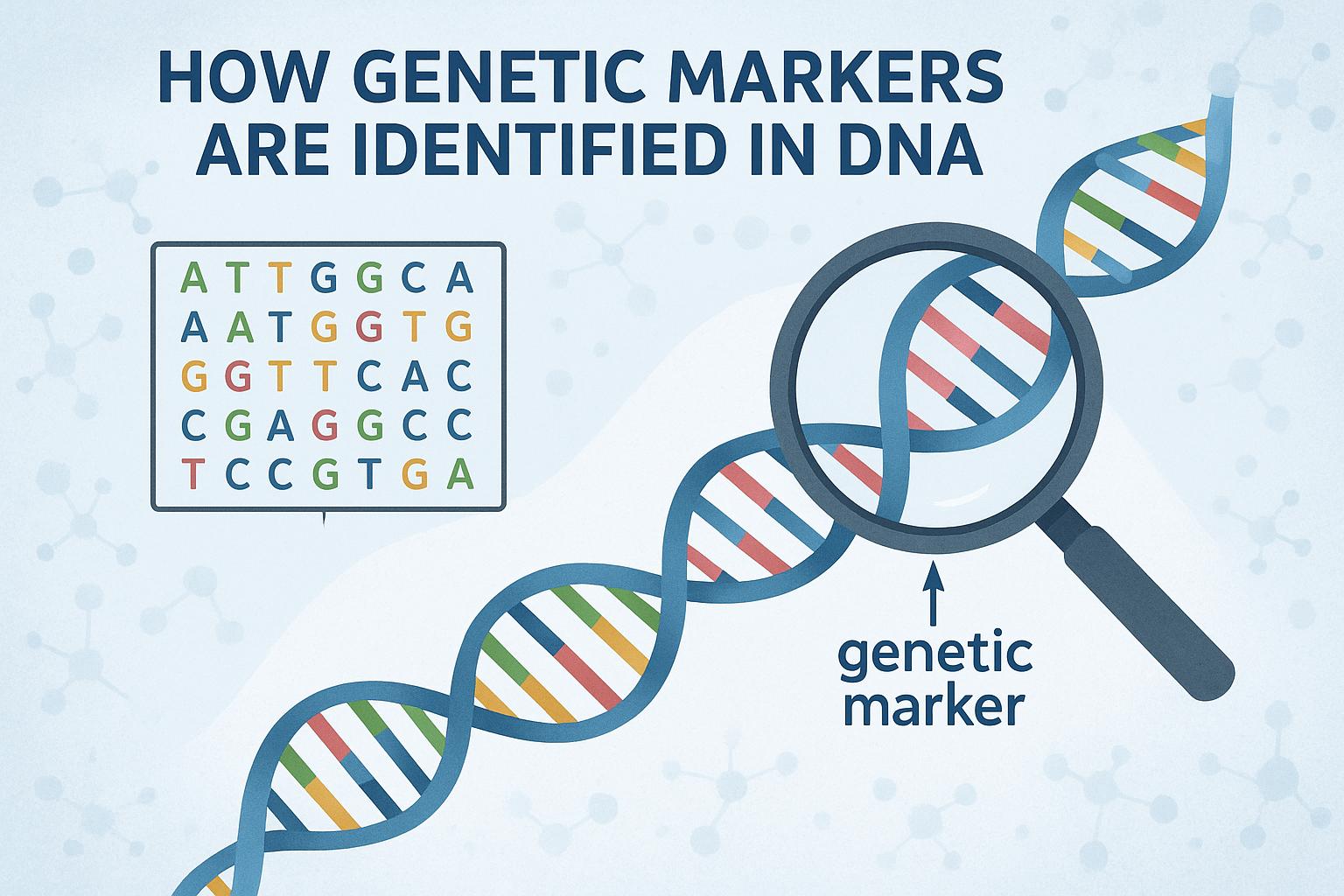
Genetic markers represent sequences of DNA that possess an established position on a chromosome. These can be genes or brief DNA sequences, like single nucleotide polymorphisms (SNPs) or microsatellites, that do not necessarily hold a known function yet can be linked to a specific genomic location. These markers are pivotal in genetic mapping, providing reference points that enable researchers to discover and categorize various genetic traits.
Techniques for Identifying Genetic Markers
Over the years, a variety of techniques have been devised to recognize genetic markers, employing cutting-edge technologies that enhance both accuracy and efficiency.
Polymerase Chain Reaction (PCR)
PCR constitutes a fundamental technique that enables the replication of minimal DNA segments. This amplification process generates a sufficient quantity of DNA, allowing for a detailed study of specific genetic markers. The procedure involves cycles of heating and cooling to denature DNA, anneal primers, and extend the DNA sequence with the assistance of a DNA polymerase enzyme.
Restriction Fragment Length Polymorphism (RFLP)
Through this approach, DNA is segmented into smaller fragments using restriction enzymes. Subsequently, these fragments undergo size separation via gel electrophoresis. The variations in the fragment lengths are analyzed to determine genetic markers. RFLP was among the initial methods developed for exploring genetic variation.
Single Nucleotide Polymorphism Genotyping
SNP genotyping revolves around the study of SNPs, which are the most frequent forms of genetic variation among humans. SNP detection necessitates a comparative analysis of DNA sequences to identify single-nucleotide variations. Various methods, including DNA microarrays and whole-genome sequencing, are employed by researchers to genotype SNPs.
Microsatellite Analysis
Microsatellites, or short tandem repeats (STRs), are repetitive sequences scattered throughout the genome. Researchers apply PCR to amplify these regions and use gel electrophoresis to evaluate their length. The high variability found in STRs renders them invaluable markers for genetic studies, particularly in forensic analysis and paternity testing.
Applications of Genetic Markers
The identification of genetic markers spans a broad range of applications. In the domain of medicine, these markers aid in diagnosing genetic disorders and devising personalized treatment strategies. In anthropology, they assist in tracing human ancestry and migration patterns. Genetic markers also hold essential value in agriculture, facilitating the development of improved breeds of plants and animals. Moreover, these markers are indispensable in the sphere of forensics, assisting in the identification of individuals through the analysis of DNA samples.
Challenges in the Identification of Genetic Markers
Despite considerable advancements, the identification of genetic markers is fraught with challenges. The intricate nature of the human genome, alongside ethical concerns inherent in genetic research, and the demand for sophisticated technology and infrastructure, can present notable obstacles. Researchers persist in refining techniques to surmount these challenges, emphasizing the importance of upholding ethical standards and improving technological accessibility.
The Role of Genetic Markers in Personal Genomics
With the advent of personal genomics, genetic markers have found a new application in helping individuals understand their own genetic makeup. Companies offering genetic testing services use markers to provide insights into ancestry, potential health risks, and various inherited traits. This information can empower individuals to make informed decisions about their health and lifestyle.
Ethical Considerations
The expanding use of genetic markers in personal genomics raises important ethical questions. Privacy concerns are paramount, given the sensitive nature of genetic data. There is also the issue of informed consent, as individuals need to fully understand the implications of having their genetic information analyzed and stored. Additionally, the potential for genetic discrimination, particularly in employment and insurance, is a concern that necessitates careful regulatory oversight.
Future Directions in Genetic Marker Research
As the field of genetic research continues to evolve, the study of genetic markers is poised to expand exponentially. New technologies such as CRISPR and advanced sequencing techniques are likely to enhance the precision and speed of genetic marker identification. This will enable a deeper understanding of complex genetic diseases and may potentially lead to novel therapeutic strategies.
Integration with Other Omics Technologies
The integration of genetic marker research with other omics technologies, including proteomics and metabolomics, holds promise for a more holistic understanding of biological processes. This comprehensive approach can lead to the development of systems biology models that more accurately represent the interactions within cells and tissues, opening up new avenues in disease modeling and drug discovery.
Conclusion
Grasping the manner in which genetic markers are pinpointed in DNA is crucial for the progressive advancement of genetic research and its diverse applications. Through technological innovation and refined methodologies, the identification process of these markers has reached new levels of precision, enabling groundbreaking discoveries across various fields of study. By amplifying our comprehension of genetics, we pave the way for scientific and medical breakthroughs, contributing to a myriad of fields from personalized medicine to evolutionary biology.
For those seeking further exploration on the topic, delving into scholarly articles from reputable academic journals may offer additional insights.