The Role of DNA in Hereditary Diseases
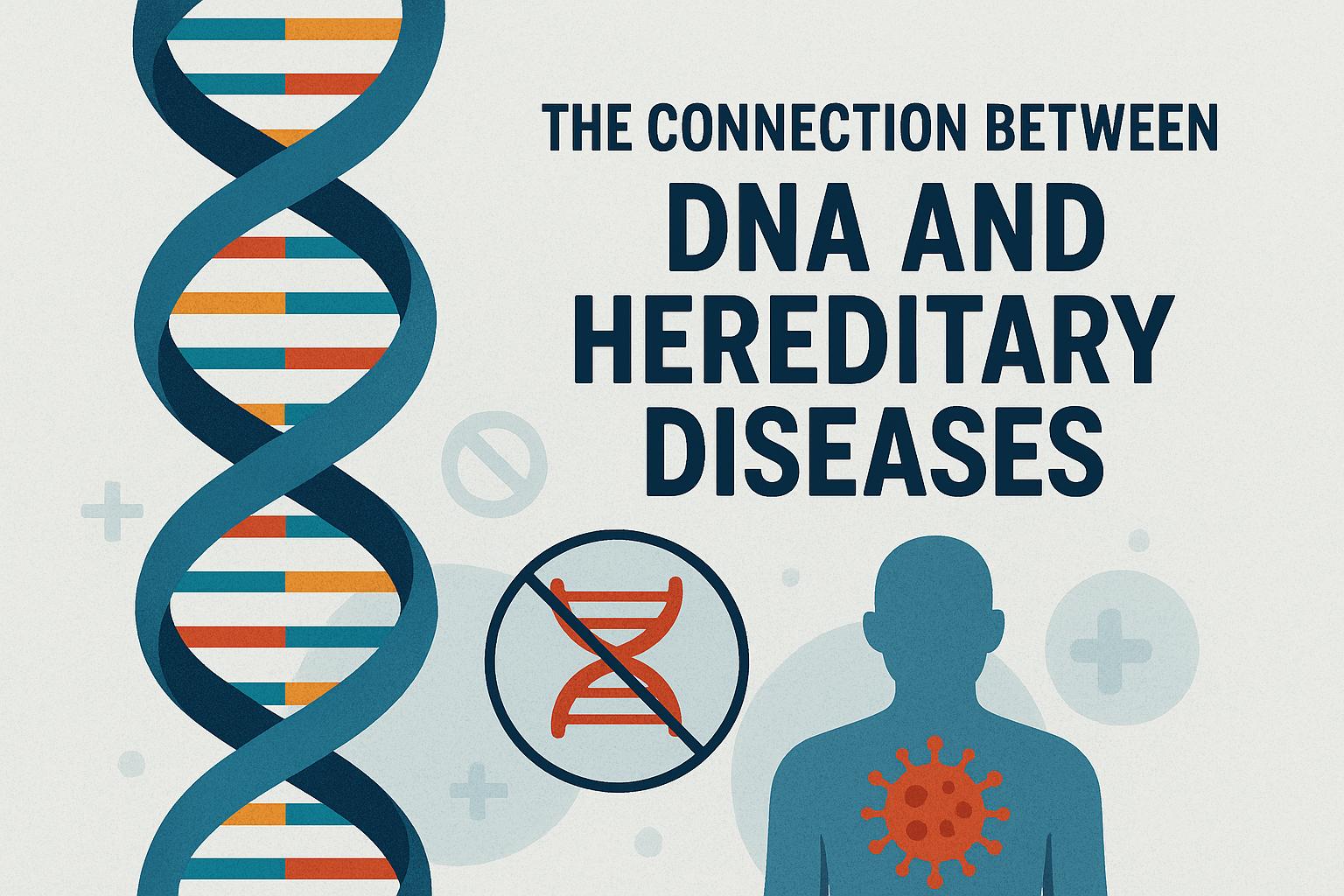
DNA, or deoxyribonucleic acid, forms the molecular foundation for the genetic instructions that control the growth, development, functioning, and reproduction of all living organisms. It is often referred to as the blueprint of life because it encodes the information necessary for our cells to perform their specific roles. A disruption or mutation in DNA sequences can lead to hereditary diseases, which are illnesses passed down from one generation to the next through genetic inheritance.
Understanding Genetic Inheritance
Each individual inherits DNA from their biological parents in the form of chromosomes, which are long strands of DNA. Humans have 23 pairs of chromosomes, with one chromosome in each pair inherited from each parent. These chromosomes consist of thousands of genes, the basic units of heredity. Genes are responsible for the expression of traits such as eye color and height, as well as the risk of developing certain diseases.
Mutations, which are changes to the DNA sequence, can occur spontaneously or be induced by external factors like radiation or chemicals. When such mutations affect genes, they can disrupt normal cellular functions, potentially leading to hereditary diseases. However, not all mutations are harmful; some may be neutral or even beneficial, though in the context of hereditary diseases, we are particularly concerned with those mutations that impair gene function. These impairments can result in conditions like cystic fibrosis, sickle cell anemia, and Huntington’s disease.
The Mechanism of Hereditary Disease Transmission
Hereditary diseases are often categorized based on how they are inherited: autosomal dominant, autosomal recessive, X-linked dominant, or X-linked recessive. Understanding these categories is crucial for predicting the likelihood of a disease being passed to the next generation.
Autosomal Dominant: Diseases in this category require only one mutated copy of a gene from either parent for the condition to be inherited. This means if one parent carries a mutation for an autosomal dominant disease, there is a 50% chance it will be passed on to the offspring. Examples include conditions such as Marfan syndrome and Huntington’s disease. In these cases, the presence of one normal allele is insufficient to mask the effects of the mutant allele.
Autosomal Recessive: These diseases require both parents to pass on a copy of the mutated gene. This means the child would need to inherit two copies of the mutated gene for the disease to manifest. Conditions such as cystic fibrosis and Tay-Sachs disease fall into this category. Typically, individuals with only one copy of the mutation are considered carriers and may not exhibit symptoms but can pass the mutation on to their children.
X-linked Dominant and Recessive: These involve genes located on the X chromosome. Males are more frequently affected by X-linked recessive disorders like hemophilia due to the presence of just one X chromosome. In contrast, females have two X chromosomes, so a mutation would typically need to be present in both copies to develop a recessive condition, although X-linked dominant diseases can manifest in females with just one copy of the mutated gene.
The Implication of Genetic Testing
With advances in medical technology and scientific understanding, genetic testing has emerged as a powerful tool for diagnosing hereditary diseases and evaluating the risk of their occurrence in offspring. These tests can identify the presence of gene mutations associated with specific conditions, providing invaluable information for affected individuals and their families. Genetic testing offers several benefits, such as enabling early diagnosis, guiding treatment decisions, and allowing individuals to make informed reproductive choices.
However, it is important to address ethical considerations associated with genetic testing. This includes ensuring privacy and confidentiality, understanding the psychological impact of test results, and preventing discrimination based on genetic information. Additionally, proper genetic counseling should accompany genetic testing. Genetic counselors can help interpret test results, discuss potential health implications, and offer support in decision-making processes, thus ensuring individuals make informed choices regarding their health and future.
For more information about genetic testing, you can explore resources provided by organizations such as the National Human Genome Research Institute or Genetics Home Reference.
Conclusion
The intricate connection between DNA and hereditary diseases highlights the importance of understanding genetic inheritance patterns and the impact of genetic mutations. Advances in genetic research and technology offer hope in identifying, managing, and potentially treating hereditary conditions, ultimately improving the quality of life for those affected and providing clarity for future generations. By continuing to explore the realms of genetics, researchers and medical professionals hope to push the boundaries of current knowledge, inform better healthcare strategies, and perhaps one day, prevent the occurrence of hereditary diseases that have plagued families for generations.
The progress in this field also paves the way for potential therapies such as gene therapy, which aims to correct or compensate for faulty genes, offering promise for conditions once considered untreatable. As our understanding of the genetic basis for diseases continues to evolve, so too will the opportunities for enhanced medical interventions, supporting a future where hereditary diseases are less of a certainty and more a challenge to be overcome.