Understanding DNA’s Role in Cold Cases
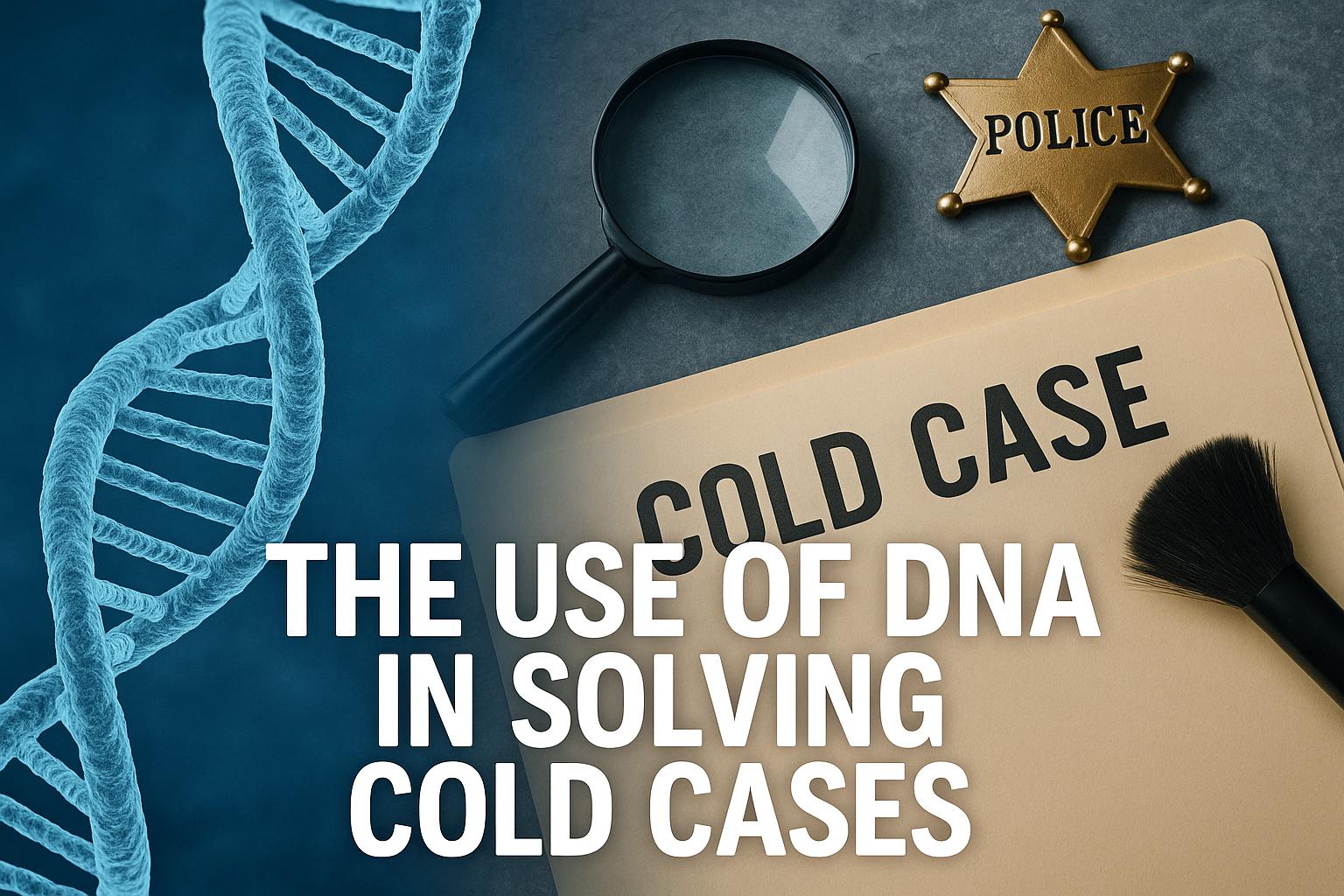
The world of forensic science has seen dramatic advancements over the years, particularly with the incorporation of DNA analysis. This technology stands as a revolutionary tool in the field of criminal investigation. With numerous unsolved cases, law enforcement agencies now have a powerful means to reopen and possibly solve those that have remained stagnant over decades. These unsolved inquiries, often referred to as “cold cases,” due to their lack of progress, can find new pathways to resolution thanks to the sophisticated science of DNA analysis that wasn’t available at the time many of these crimes occurred.
The Basics of DNA Analysis
Understanding DNA’s structural foundation is crucial in appreciating its analytical capabilities in forensics. DNA, or deoxyribonucleic acid, forms the blueprint of life. In humans, DNA is almost entirely unique to each individual, save for cases such as identical twins who share exact genetic profiles. This uniqueness is what renders DNA an invaluable component of modern forensic strategies. When forensic scientists handle even the minutest traces of DNA, they are potentially holding the key to including or excluding specific individuals as suspects in criminal investigations. This element of exclusivity in genetic profiling is what gives DNA its weight as evidence.
DNA analysis was not always as refined as it is today. The introduction of techniques such as Polymerase Chain Reaction (PCR) and Short Tandem Repeat (STR) analysis have significantly improved the precision and reliability of DNA testing. PCR allows for the amplification of DNA, making it easier to examine even the smallest samples, while STR analysis focuses on specific areas of DNA that vary widely among individuals.
Cold Cases and DNA Advances
For a long time, a multitude of cold cases remained dormant due to insufficient evidence and earlier generations’ investigative shortcomings. However, the dawn of advanced DNA techniques has breathed new life into these cases. Previous evidence, once considered obsolete or irrelevant, can now be scrutinized under modern scientific methods that broaden the scope of investigation, allowing for new revelations to come to light.
One of the formidable applications of DNA in solving cold cases is through national DNA databases. The United States, for instance, has CODIS, or the Combined DNA Index System, which plays an instrumental role in linking DNA from crime scenes to that of individuals whose profiles are housed within the database. Through CODIS, countless cold cases have found resolutions, propelling law enforcement’s ability to uncover narratives previously cloaked in ambiguity.
Genealogical Databases
Another frontier in cold case investigations resides within the realm of genealogical databases. The commercial rise of these repositories, where individuals voluntarily submit their DNA to trace familial roots and ancestry, has opened a novel avenue for forensic detectives. By leveraging familial DNA searches, agencies can identify potential suspects through their genetic connections to relatives who may have provided their DNA to such databases.
This method, albeit cross-hatched with hurdles regarding privacy and consent, marked a significant breakthrough in the famous Golden State Killer case. The arrest and eventual conviction in this case demonstrated the tremendous potential of integrating genealogical DNA into traditional investigative procedures, shining a light on the vast possibilities awaiting yet-unsolved mysteries.
Challenges and Ethical Considerations
While DNA analysis has astoundingly potent potential, its path is not without its obstacles. Ethical considerations are significant when tapping into genealogical databases. Privacy stands at the forefront of these issues, as individuals might not have anticipated their DNA being utilized in criminal probes when they initially decided to explore their ancestry. Subsequently, this sparks an ongoing debate on how to balance public safety with individual privacy rights.
Moreover, the quality and integrity of old DNA samples can be an issue. Degradation and contamination are genuine risks when working with evidence that has withstood the test of time. Therefore, the responsibility lies heavily on forensic experts to apply rigorous standards and practices that ascertain the precision and acceptability of conclusions.
In conclusion, DNA technology’s evolution represents a transformative stride in the pursuit of justice concerning cold cases. It offers renewed avenues through which forensic scientists and law enforcement agencies can pursue righteousness for victims and closure for families. The science of DNA continues to advance, and as it does, the potential for its application in investigative processes will undoubtedly grow. This progression holds great promise in enhancing and expanding law enforcement’s arsenal worldwide.