Understanding the Role of DNA in Genetic Diversity
Genetic diversity is a cornerstone of life on Earth, underpinning the adaptation and survival of populations in the face of ever-changing environmental conditions. Central to this genetic diversity is deoxyribonucleic acid, or DNA, a complex molecule that is fundamental to the structure and functioning of all living organisms. This document delves into the critical role DNA plays in the formation and maintenance of genetic diversity, offering insights into its structure, sources of variation, and evolutionary implications.
DNA Structure and Function
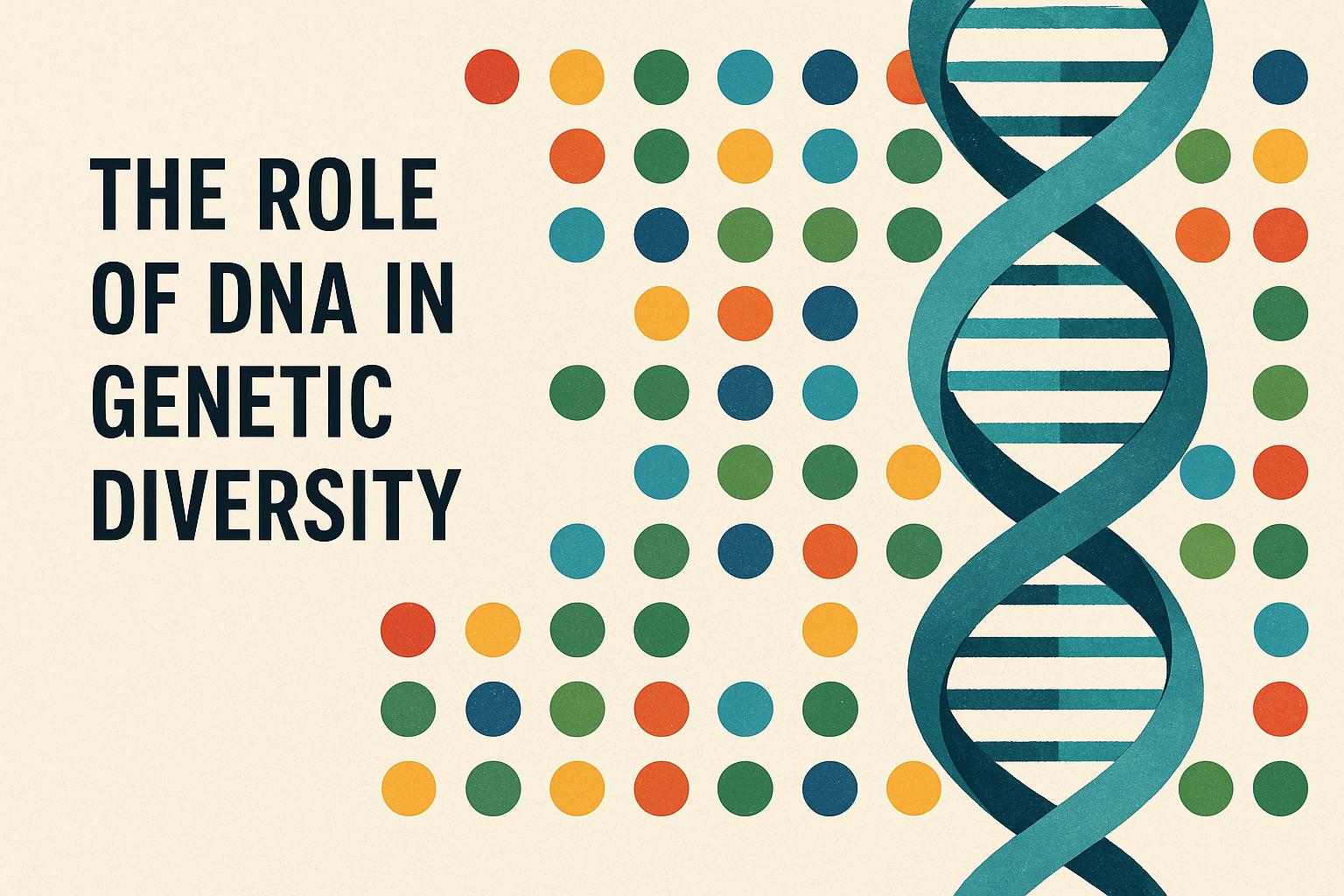
DNA, a long helical molecule, is comprised of two intertwined strands that form a double helix. These strands consist of nucleotides, which are the fundamental units of DNA. There are four nucleotides found in DNA: adenine (A), thymine (T), cytosine (C), and guanine (G). The precise sequence of these nucleotides constitutes the genetic code, which carries essential information necessary for the function and development of organisms.
Within the cell nucleus, DNA is tightly packed into structures known as chromosomes. It serves as a blueprint for synthesizing proteins, which are critical to virtually all biological processes. The conversion of DNA’s genetic information into functional proteins involves two primary steps: transcription and translation. In transcription, a specific segment of DNA is copied into messenger RNA (mRNA), which exits the nucleus and serves as a template for protein synthesis during translation. This sequence ultimately determines the traits exhibited by an organism.
Sources of Genetic Variation
Genetic diversity emerges from several mechanisms that introduce variation into the DNA sequence. One of the major sources of this variation is mutation. Mutations refer to changes in the nucleotide sequence, which can arise from errors during DNA replication, exposure to environmental stressors, or spontaneous chemical modifications. Although a majority of mutations may be neutral, some can lead to beneficial changes that confer advantages in survival or reproduction, thereby contributing to the process of evolution.
In addition to mutations, sexual reproduction is another crucial mechanism that promotes genetic variability. During gamete formation, such as in egg and sperm cells, a process known as meiosis takes place. Meiosis involves genetic recombination, where homologous chromosomes exchange segments of genetic material. This recombination results in the production of gametes with unique combinations of alleles, ensuring that offspring inherit a mix of genetic traits from both parents.
The Impact of Gene Flow
Gene flow, or the movement of genetic material across different populations, is another significant factor in increasing genetic diversity. Gene flow can occur naturally through the migration of individuals among populations, or it can be facilitated by human activities such as selective breeding and agriculture. When new alleles are introduced into a population through gene flow, it broadens the genetic pool and enhances the overall variability. This exchange of genetic material can increase the population’s adaptive capacity, enabling it to better cope with environmental challenges.
Genetic Diversity and Evolution
The close relationship between genetic diversity and evolution defines the foundation of natural selection and adaptive mechanisms. Genetic diversity provides the raw material upon which natural selection acts, allowing organisms to adapt to shifting environmental conditions and potentially leading to the emergence of new species—a process known as speciation. Populations characterized by higher genetic diversity are generally more resilient in the face of environmental pressures, diseases, and other challenges, as they are more likely to harbor individuals with advantageous traits that promote survival and reproduction.
In summary, DNA underpins the dynamic nature of genetic diversity, serving as the primary driver of adaptability and evolution. It acts as both a blueprint for life and a source of variability that enables organisms to thrive in various environments. Ongoing research in genetics continues to expand our understanding of the complex mechanisms through which DNA contributes to the extraordinary diversity of life on Earth.
For those interested in further exploring genetic research and learning more about the intricacies of genomics and evolutionary biology, investigations conducted by specialized institutions offer valuable insights. Resources such as the Nature Genetics journal provide a wealth of information that delves into the cutting-edge discoveries and advancements in the field. Substantial progress in these areas promises to offer more profound insights into the role of DNA in maintaining and enhancing the genetic diversity essential for life’s persistence and evolution.