Understanding the Genetic Makeup of Identical Twins
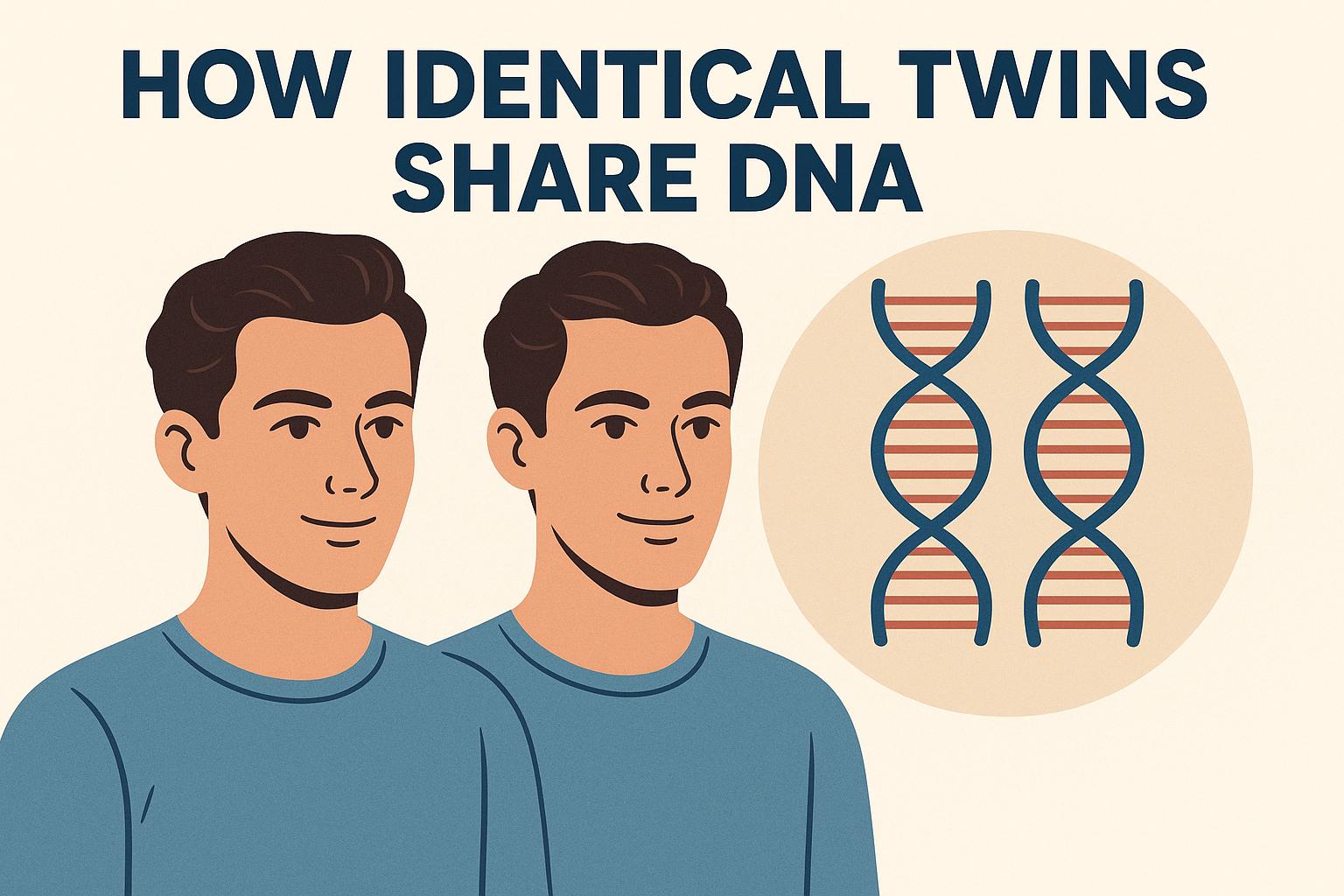
Identical twins, referred to scientifically as monozygotic twins, provide a fascinating subject for genetic study. Originating from a singular fertilized egg, known as a zygote, these twins develop into two distinct embryos through the process of splitting. This unique development results in twins sharing a substantial portion of their DNA, captivating both geneticists and the broader public.
The Genetic Origins of Identical Twins
In the domain of human reproduction, identical twins stand out due to their monozygotic inception. The journey begins with a fertilized egg that houses genetic contributions from both parents. This single zygote undergoes mitotic division, subsequently splitting into two embryos. The outcome is identical twins with almost indistinguishable genetic material. They share nearly 100% of their DNA, unlike fraternal twins or ordinary siblings, who typically inherit about 50% of their DNA from each parent.
How Identical DNA is Influenced
Though identical twins possess nearly identical genetic code, a myriad of factors can influence their phenotypic expression. Environmental inputs, epigenetic modifications, and mutations post-zygotic split can result in noticeable differences between the twins. Despite these variations, their elementary DNA remains impressively similar.
Environmental Contributions: Environmental influences play a significant role in shaping these genetic blueprints. External factors such as nutrition, upbringing, physical activity, and exposure to diverse circumstances can affect how genes are expressed, leading to differences in traits and characteristics. Studies continue to explore these influences, shedding light on how identical twins, though genetically alike, can exhibit different phenotypic characteristics.
Epigenetic Changes: The field of epigenetics examines how gene expression is modulated without altering the underlying DNA sequence itself. Epigenetic changes, which can occur over a person’s lifetime, have the potential to influence how genes are activated or silenced. Such changes might be spurred by a variety of factors like stress, diet, or environmental toxins. Importantly, these modifications are often reversible and responsive to lifestyle choices, adding another layer of complexity to the genetic conversation.
Epigenetics and Environmental Factors
Epigenetic markers, significant changes in gene expression that are not directly linked to DNA sequence alterations, can emerge throughout an individual’s lifetime. These markers can impact gene expression and bring about disparities between identical twins. Environmental influences such as dietary habits, physical activity levels, and divergent life experiences can modify these markers. Unlike genetic modifications, epigenetic changes tend to be reversible, allowing lifestyle and environmental conditions to influence them. This area of study underscores the dynamic interface between genetics and the environment.
Diet and Nutrition: Nutritional intake can serve as a potent modifier of gene expression. Certain nutrients or deficiencies can either promote or inhibit gene activity, indirectly shaping physical and health outcomes.
Exercise and Physical Activity: Physical activity can lead to molecular changes, thereby serving as a stimulus for epigenetic shifts. These shifts may contribute to differences in metabolism, muscle growth, and overall health between two genetically identical individuals.
Somatic Mutations
Despite starting with identical DNA, somatic mutations—DNA changes occurring after conception—can introduce differences between identical twins. These mutations might be prompted by external triggers like radiation or arise naturally during cell division. While typically minimal, such mutations can engender minor genetic variations, sometimes evident in phenotypic differences. Understanding the mechanisms and impacts of these mutations is crucial for elucidating the individual traits that distinguish identical twins.
Natural Cell Division: During the myriad cell divisions that occur as a body develops, mutations can sporadically arise. These may not have significant health implications but can still result in minor, observable differences.
External Factors and Aging: As individuals age, they accumulate a variety of mutations due to environmental exposures and natural cellular processes—potentially leading to differences in health and appearance over time.
In summary, while identical twins originate from the same zygote and share nearly identical DNA, numerous factors contribute to their individual differences. The study of these discrepancies, together with the examination of their near-identical genetic constitution, offers valuable insights into the complex field of genetics. Ongoing research in this realm continues to unravel the intricate dance between genetic inheritance and environmental influence, further enriching our understanding of the human genome.