Understanding DNA’s Role in Vaccine Development
In recent years, the intricate workings of DNA have played a crucial role in advancing vaccine development. This development leverages the fundamental principles of genetics to design effective vaccines that enhance immunity against various pathogens.
DNA as a Blueprint for Vaccine Design
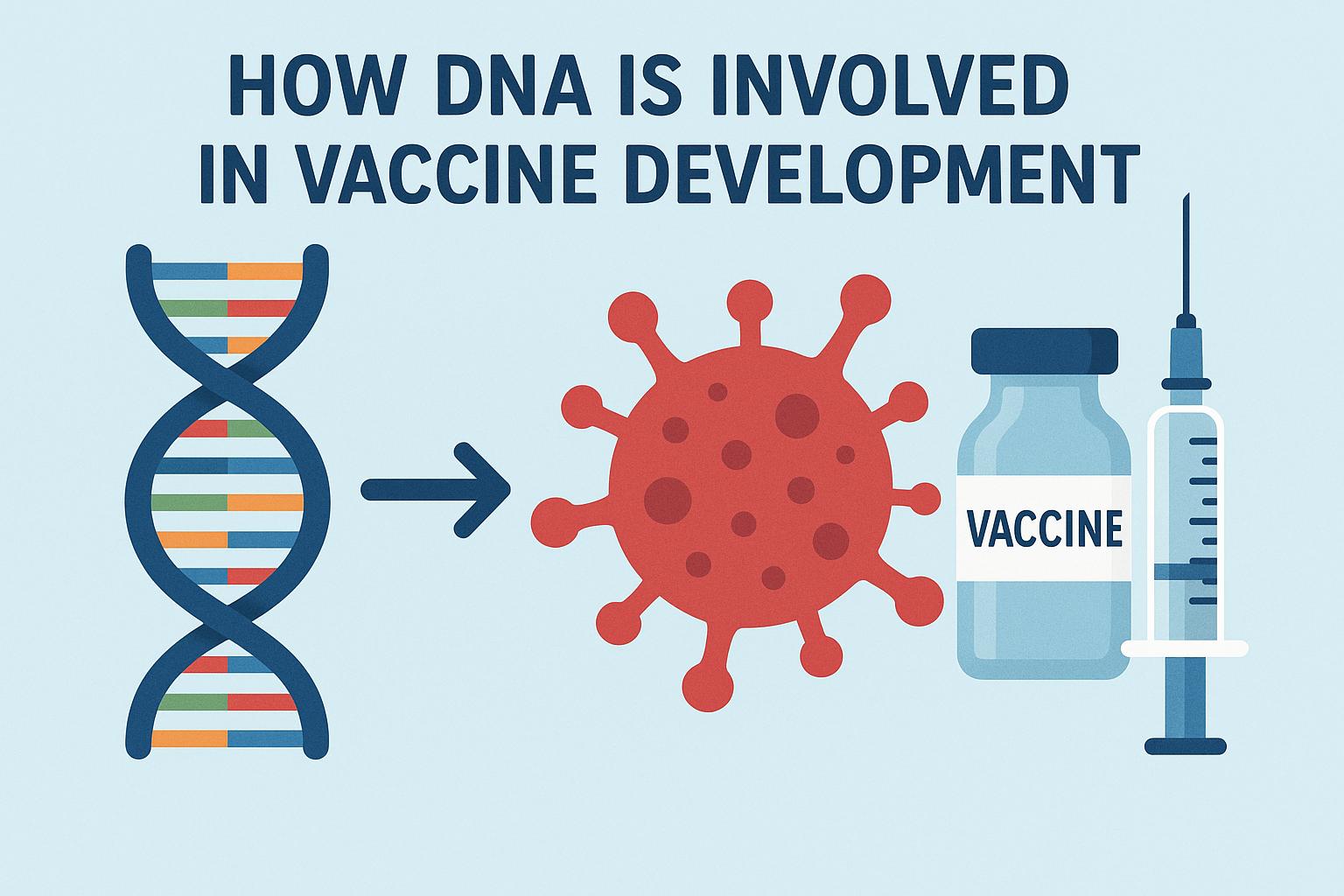
DNA, or deoxyribonucleic acid, serves as the genetic blueprint for all living organisms. Its intricacies are central in the design of vaccines, especially those that require precise targeting of pathogens. By understanding the genetic sequence of a virus or bacterium, scientists can identify key antigens—substances that trigger an immune response. These antigens are crucial for developing vaccines that can teach the immune system to recognize and combat harmful invaders.
Researchers take advantage of the fact that each organism carries a unique genetic signature. By deciphering these signatures, scientists pinpoint the most effective antigens to include in vaccines. This precision reduces the chances of side effects and increases the vaccine’s effectiveness. As our understanding of genetics increases, so does our ability to create vaccines that are tailored to combat specific pathogens effectively.
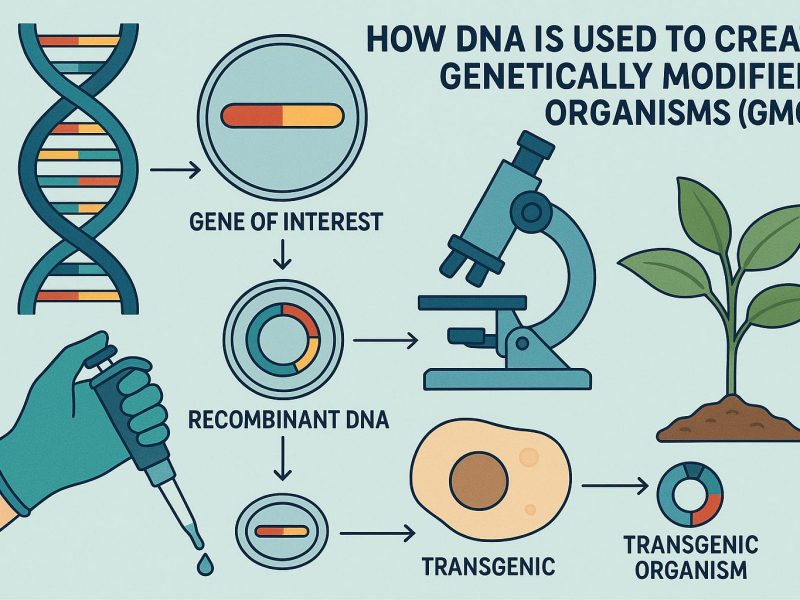
Recombinant DNA technology has also revolutionized vaccine development. This technology allows scientists to manipulate genetic material to engineer antigens that are more efficient at prompting an immune response. By introducing genes that code for these antigenic proteins into bacterial or yeast cells, massive quantities of these proteins can be produced and then used to develop vaccines.
DNA Vaccines: Mechanism and Advantages
DNA vaccines represent a cutting-edge advancement in vaccinology. Unlike traditional vaccines, which often use weakened or inactivated forms of the virus, DNA vaccines use synthetic DNA containing the genetic information of the pathogen’s antigens. This DNA is introduced into the body, prompting cells to produce the antigen and trigger an immune response.
The advantages of DNA vaccines are notable. They tend to be simple to design and manufacture, with a strong safety profile. Since DNA vaccines do not contain live pathogens, they eliminate risks associated with live-attenuated vaccines, like reverting to a virulent form. Additionally, DNA vaccines have demonstrated stability at room temperature, allowing them to be distributed more widely, particularly in areas lacking sufficient refrigeration facilities.
Moreover, DNA vaccines offer the potential for rapid development and deployment. During outbreaks of newly emerging infectious diseases, time is of the essence. DNA vaccines can be designed and synthesized quickly once the genetic sequence of a new pathogen is known, facilitating swift responses to contain outbreaks. This characteristic makes DNA vaccines a valuable tool in global public health strategies.
Case Study: COVID-19 Vaccine Development
The recent COVID-19 pandemic highlighted the potential of DNA technology in rapid vaccine development. In particular, some of the early vaccines against COVID-19 employed mRNA technology, a close relative of DNA vaccination techniques. These vaccines used the genetic sequences of the SARS-CoV-2 spike protein, a crucial antigen, to elicit an immune response. This innovative approach relied heavily on prior understanding and research into DNA and its applications in medicine.
The swift development of mRNA vaccines against COVID-19 set a precedent for future vaccine initiatives. Within a year of identifying the SARS-CoV-2 virus, vaccines were authorized for emergency use, demonstrating the rapid scalability and adaptability of nucleic acid-based vaccines. The success of these vaccines has prompted further investment in DNA and RNA technologies, enlarging the scope of possibilities in vaccine development.
Future Prospects and Research
The use of DNA in vaccine development is expanding into areas beyond infectious diseases. Researchers are investigating its potential applications in cancer immunotherapy and personalized medicine. These fields may benefit from the adaptability and specificity of DNA-based approaches.
In cancer immunotherapy, the goal is to train the patient’s immune system to recognize and destroy cancer cells. DNA vaccines could be customized to target tumor-specific antigens, equipping the immune system to fight cancer more effectively. This represents a shift from one-size-fits-all treatments to more personalized approaches, potentially enhancing treatment success rates while minimizing side effects.
However, while DNA vaccine technology holds significant promise, challenges lie ahead. Improved delivery systems are needed to enhance the efficacy and stability of these vaccines in various populations. For instance, researchers are exploring the use of electroporation—a method that uses electrical pulses to increase cell permeability—as a means of improving the delivery of DNA vaccines.
Ongoing research aims to address these hurdles, ensuring the optimal use of DNA technology in vaccine development. Scientists are working on optimizing gene delivery vehicles, enhancing the immune response through adjuvants, and improving the expression and presentation of antigens to the immune system.
For further reading on the intricate relationship between DNA and vaccines, consider visiting reputable sources like Nature and ScienceDirect, which offer in-depth discussions and findings from current research.
Conclusion
DNA’s role in vaccine development highlights a pivotal advancement in medical science, offering new pathways for preventing and combating diseases. The collaboration of genetic research and technology propels this field forward, providing hope for more effective, safe, and accessible vaccines in the future.
The applications of DNA in vaccines extend beyond current capabilities, promising innovations that could reshape disease prevention and treatment paradigms. As research progresses, the integration of DNA technologies in medicine will likely yield further breakthroughs, ultimately benefiting global health.
With continued commitment to understanding the potential of DNA in medical applications, the future holds promise for innovative solutions to some of the most challenging health issues worldwide. As these technologies evolve, they will undoubtedly play a critical role in the future of medicine.