Understanding Genetic Engineering
Genetic engineering is an advanced and rapidly developing field of technology focused on the direct manipulation of an organism’s DNA with the aim of modifying its characteristics in specific, desired ways. This powerful technique finds broad applications across a multitude of sectors, including medicine, agriculture, and biotechnology.
The Basics of DNA Manipulation
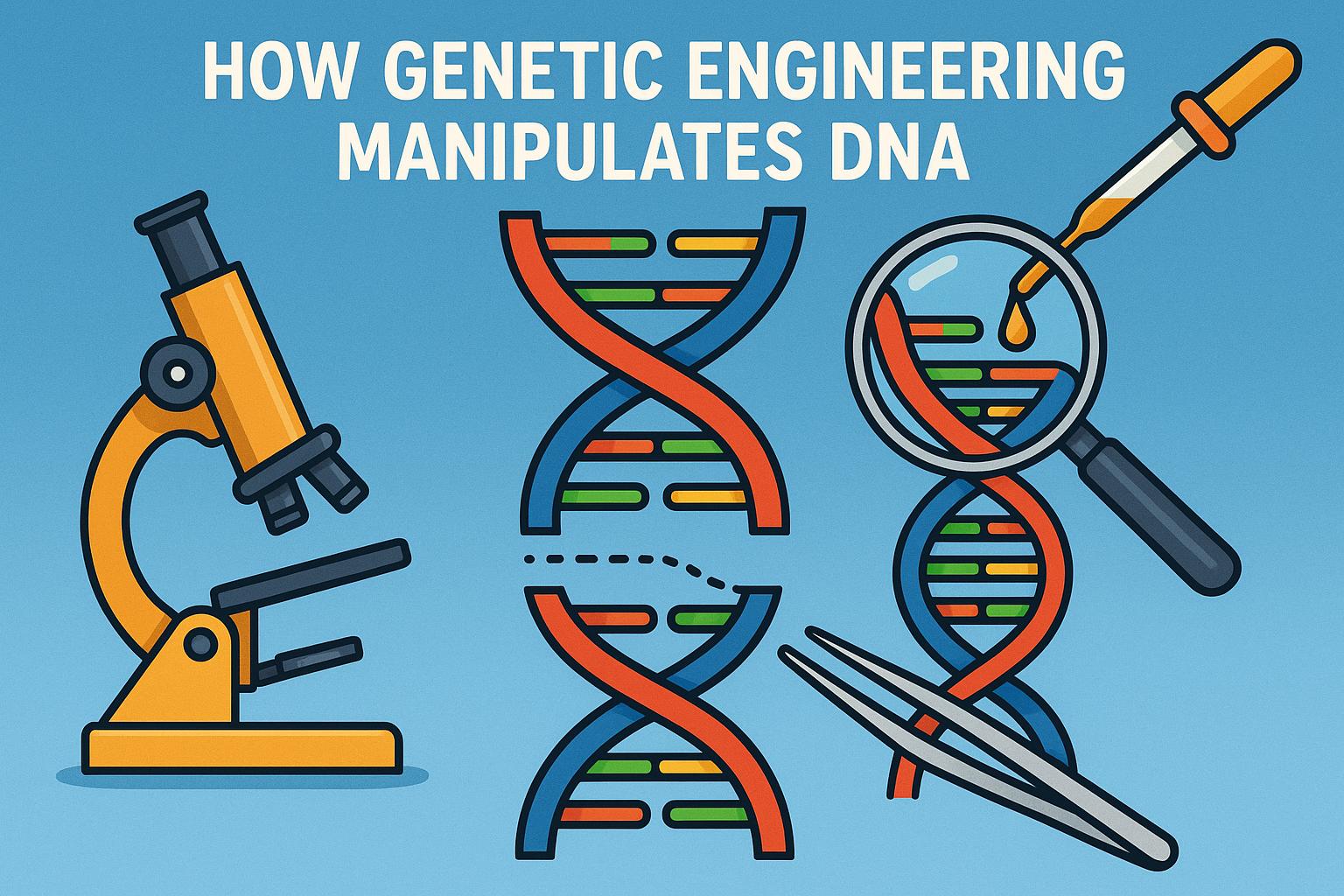
DNA, or deoxyribonucleic acid, is the molecule that holds the genetic instructions necessary for the growth, development, functioning, and reproduction of all known living organisms, as well as many viruses. The capability of genetic engineering to cut and paste segments of DNA facilitates modifications, enhancing or suppressing certain traits as needed.
The manipulation of DNA encompasses a variety of scientific methods aimed at altering the molecular structure to bring about changes in gene expression and trait manifestation. One of the significant advantages of genetic engineering is its precision and capability to produce targeted changes without introducing random mutations that sometimes accompany traditional breeding techniques.
Tools and Techniques
Central to the process of genetic engineering is a set of molecular tools that allow for precise modifications of DNA. One of the key tools includes restriction enzymes, which act like molecular scissors. These enzymes have the unique ability to cut DNA at specific sequences, thus enabling targeted modifications. After the DNA has been meticulously cut, new genetic material can be introduced into the organism using vectors such as plasmids or viruses; these vectors serve as vehicles to deliver the desired DNA into the host organism, facilitating the desired genetic transformation.
A notable advancement in the field of genetic engineering is the development and use of the CRISPR-Cas9 system. This cutting-edge technology provides even more precision in the editing process by targeting specific stretches of the genetic code. CRISPR-Cas9 has revolutionized genetic engineering by allowing scientists to accurately replace or alter genes, thus paving the way for a host of possibilities that were previously unachievable.
The target specificity and simplicity of CRISPR-Cas9 make it a preferred tool for many genetic engineering applications, driving innovation across multiple domains. However, understanding the intricacies of CRISPR-Cas9 and its multifaceted applications requires careful study and expertise.
Applications of Genetic Engineering
Agriculture
In the agricultural arena, genetic engineering has had a profound impact by facilitating the development of genetically modified crops. Such crops are engineered to possess resistance to pests, diseases, and adverse environmental conditions. Referred to as GMOs (Genetically Modified Organisms), these crops can significantly enhance food production and ensure food security by reducing dependency on chemical pesticides and improving crop yields and resilience.
The genetically modified crops are scientifically engineered to withstand harsh conditions such as drought or extreme temperatures, which becomes critical in addressing challenges posed by climate change. In addition, certain modifications allow crops to grow more efficiently by improving nutrient use, thus contributing to sustainable farming practices.
Medicine
In the medical field, genetic engineering has been a cornerstone in advancing the production of therapeutic proteins and medical treatments. Techniques have been employed to produce insulin, growth hormones, and vaccines, providing essential treatments for various health conditions. These advancements demonstrate the potential of genetic engineering to improve healthcare outcomes and offer solutions to some of the most challenging medical issues.
Moreover, gene therapy—a groundbreaking frontier in medicine—entails the alteration of genes within an individual’s cells to treat or halt the progress of diseases. This therapeutic approach has paved the way for treating genetic disorders by directly modifying defective genes, offering hope for conditions previously deemed untreatable.
While remarkable progress has been made, the application of genetic engineering in medicine continues to be a vibrant area of research, holding promise for further breakthroughs in human health and disease management.
Industry and Environmental Sciences
Beyond agriculture and medicine, genetic engineering plays a crucial role in the industrial and environmental sectors. In biotechnology, for example, genetically engineered microorganisms are used to produce biofuels, aiding in the development of sustainable energy sources. Likewise, in environmental science, engineered organisms have been utilized for bioremediation processes, helping to break down pollutants and restore environmental balance.
These industrial applications underscore the versatility and far-reaching impact of genetic engineering, showcasing its potential not just in enhancing human life but also in preserving the environment and promoting sustainable development.
Ethical Considerations
While it is undeniable that genetic engineering holds immense potential, it simultaneously presents significant ethical questions and challenges. Concerns regarding the potential consequences of genetic manipulation include unintended ecological impacts, ethical considerations in altering life forms, and the potential for creating disparities in access to genetic technologies.
The debate surrounding the regulation and ethical standards of genetic engineering technologies is ongoing, reflecting the importance of carefully weighing both the promises and risks associated with genetic advancements. The discourse challenges regulators, scientists, and the public to consider issues such as consent, safety, and the societal implications of altering genetic material.
As the boundaries of genetic engineering expand, it becomes imperative to establish a balanced approach that embraces scientific innovation while safeguarding ethical principles. This balance could facilitate safe and responsible application, ensuring that society reaps the benefits of genetic engineering while proactively addressing potential pitfalls.
By deepening our understanding of the principles and applications of genetic engineering, society can appreciate both the opportunities presented and the challenges posed by this transformative technology. As genetic engineering continues to evolve, it becomes essential to strike a balance that embraces innovation alongside ethical consideration, ensuring that its vast potential is harnessed responsibly and effectively.