Understanding Viral Manipulation of DNA
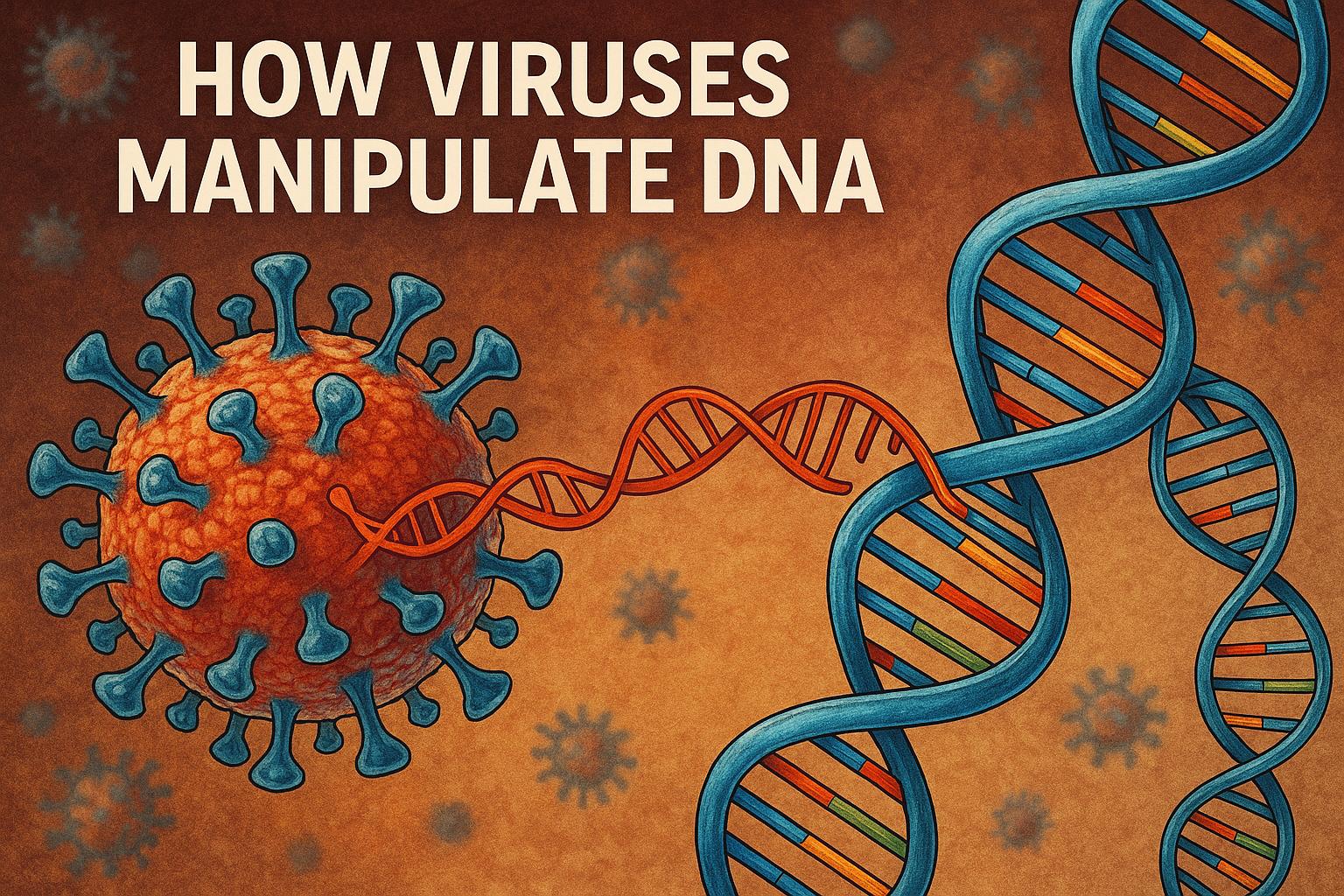
Viruses occupy a unique niche in the biological world, existing at the blurred boundary between living and non-living entities. These microscopic agents possess a remarkable ability to infiltrate host organisms, commandeer cellular processes, and ensure their own propagation. Central to their survival strategy is the ability to manipulate host DNA. This manipulation not only facilitates viral replication and survival but also offers profound insights into fundamental biological processes and the mechanisms underpinning many diseases.
How Viruses Penetrate Host Cells
A virus begins its journey by gaining entry into a host cell, a crucial step that determines the success of an infection. This process is initiated when viral proteins interact with specific receptors on the surface of the host cell. The nature of these interactions varies widely among different types of viruses, influencing the host range and the specific tissues or organs they infect, a concept known as tissue tropism.
To comprehend this complex entry process, it is necessary to understand that it establishes the initial conditions under which the virus introduces its genetic material into the host cell. For many viruses, this is a matter of crucial specificity; they have evolved precise mechanisms to ensure they bind only to particular cell types.
Viral Genome Integration
For certain viral families, such as retroviruses, the integration of their genetic material into the host’s DNA is a critical step in the infectious cycle. This is vividly illustrated in the lifecycle of HIV, which relies on an enzyme called integrase. Integrase deftly inserts viral DNA into the host cell’s genome. Upon integration, the viral DNA, now referred to as a provirus, assumes a latent form that often remains hidden from the host’s immune defenses. This latency equips the virus with an effective means of evading immune responses, allowing it to persist within the host for extended periods.
Hijacking Cellular Machinery
Once successfully integrated, the virus starts its manipulation of the host’s cellular machinery to fulfill its need for replication. The viral genome effectively commandeers the host’s transcription and translation systems to generate viral proteins essential for producing new virus particles.
This hijacking introduces significant disruptions to normal cellular functions and can lead to disease. For instance, excessive production of viral proteins can trigger cell death or apoptosis, induce inflammation, or cause cellular transformations. Such disruptions often pave the way for severe pathological conditions, including cancers triggered by certain oncogenic viruses.
Molecular Mechanisms of Manipulation
The strategies that viruses employ to manipulate host DNA are diverse and highly evolved, involving sophisticated molecular mechanisms:
1. Gene Suppression: Many viruses generate proteins designed to suppress critical host genes involved in mounting antiviral responses. By inhibiting these defensive genes, viruses significantly weaken the host’s immune responses, facilitating viral survival and replication.
2. Epigenetic Modifications: Beyond direct genetic interactions, viruses often engage in altering the host’s epigenetic makeup. These alterations involve modifications that affect gene expression without changing the underlying DNA sequence. Mechanisms such as DNA methylation and histone acetylation are utilized by viruses to silence or activate specific host genes, often contributing to the persistence of infection and pathogenicity.
Diving deeper into these manipulative tactics not only enriches our understanding of viral pathogenesis but also sheds light on potential therapeutic interventions. By unraveling how viruses interact with and manipulate host DNA, researchers can develop innovative strategies to counter these effects, potentially leading to novel treatments for viral infections.
Researchers are increasingly focused on understanding these viral strategies at a molecular level. By targeting specific points in the viral lifecycle, particularly those involving DNA manipulation, scientists aim to design treatments that can effectively disrupt viral replication and alleviate disease symptoms. This has implications not just for treatment but also for the development of vaccines and preventative measures against viral infections.
The study of viral manipulation of DNA is not only crucial for combating diseases but also offers a broader understanding of fundamental biological processes. It provides models for studying gene regulation, reveals insights into cellular defense mechanisms, and teaches us about the evolutionary arms race between pathogens and hosts.
As research advances, the knowledge gleaned from understanding how viruses interact with host DNA holds promise for broader applications. This includes novel gene therapy approaches, where viral vectors are used to deliver therapeutic genes to cells, harnessing viral mechanisms in a controlled and beneficial manner.
In summary, the ability of viruses to manipulate host DNA represents one of the most sophisticated tactics in nature, illustrating the intricate interplay between these persistent organisms and their hosts. As scientific research continues to bring these processes to light, the potential for novel medical interventions grows, offering hope for controlling, and ultimately overcoming, infections that have plagued humanity for centuries.